


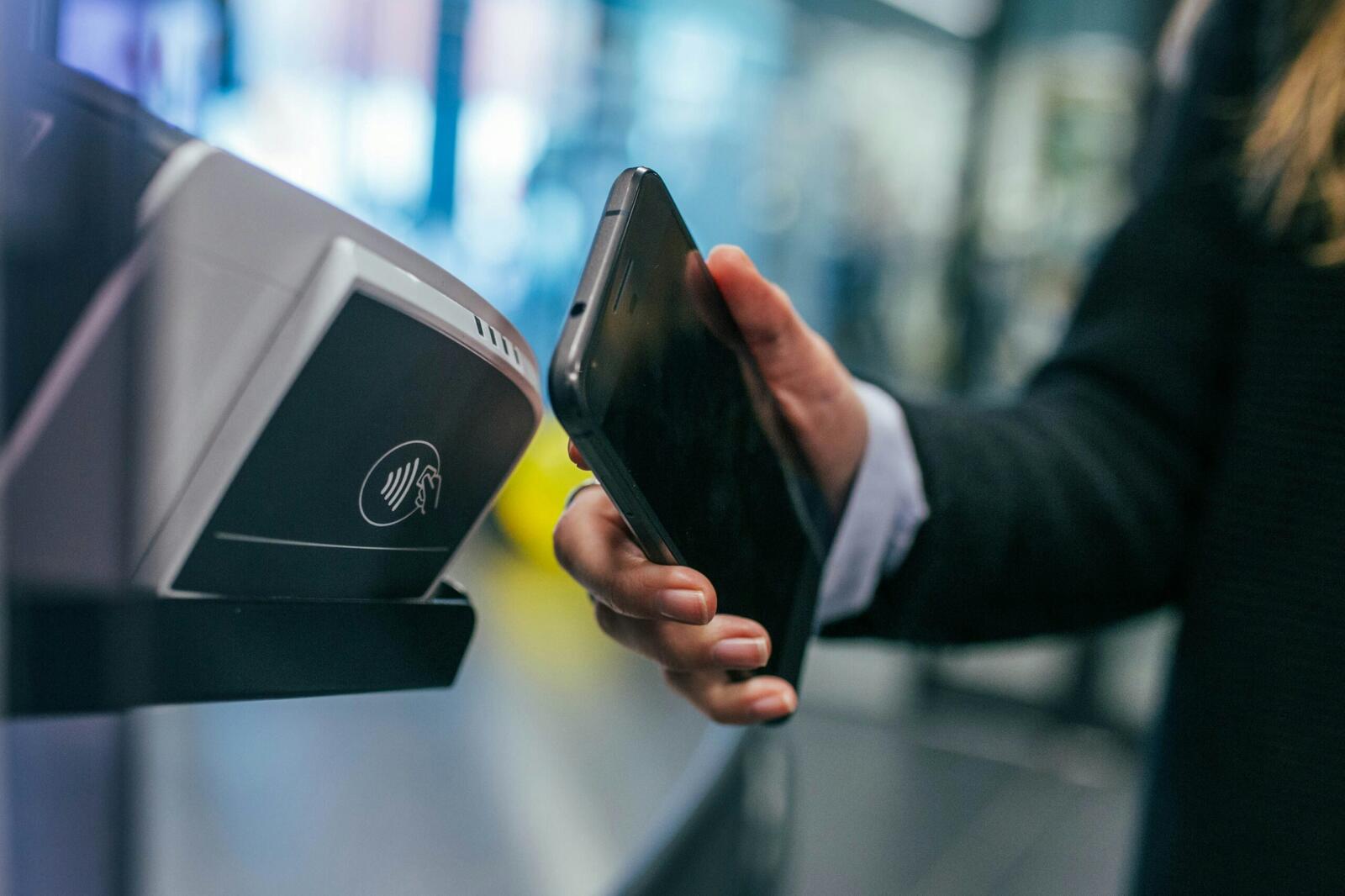
The Financial Conduct Authority (FCA) has announced that the UK’s £100 contactless card limit is set to be lifted from March next year, asserting that from March 2026, banks and card providers will be given more freedom over tap-to-pay thresholds.
Rather than a single, fixed cap, firms will be able to introduce higher or even unlimited contactless limits, while customers will be allowed to set their own controls. Ultimately, businesses and consumers will have far more autonomy over tap-to-pay limits than ever before.
At a glance, the move may feel like another nudge towards frictionless spending – an attempt to make processes seamless and more efficient. But the reality is more nuanced than that.
This change reflects a wider shift in how payments are regulated, how risk is managed and where responsibility ultimately sits.
Moving Away from One-Size-Fits-All Rules
For years, the £100 limit has acted as a simple, universal safeguard – easy to understand and easy to enforce. But, as payments technology has evolved, that simplicity has also become a constraint in many ways.
The FCA’s decision signals a move away from blanket rules and towards risk-based oversight. Instead of a hard ceiling applied to everyone, banks and card providers will now be expected to assess risk in real time, using behavioural data and transaction monitoring to decide when extra checks are needed.
Chris Jones, Managing Director at specialist payments consultancy PSE Consulting, frames the change as a shift in accountability rather than an invitation to spend more.
“Lifting the contactless limit is not really about letting people spend more with a tap. It is about shifting responsibility across the payments ecosystem. By lifting the contactless cap, the FCA is stepping away from a blunt, one-size-fits-all all rule and putting the onus on banks and card providers to manage their own risk exposure levels.”
More from News
- Can Europe Solve Its Critical Minerals Problem Fast Enough To Support Its Tech Ambitions?
- Google Has Agreed To A £260 Million Settlement: Who’s Eligible For Compensation?
- China Wants To Build A Third Global AI Bloc – What Does That Mean For Everyone?
- Advanced AI Society Joins the Linux Foundation And Launches Open Verification Ecosystem
- What Could Snap’s Partnerships With Big Tech Mean For The AR Industry?
- Why Did A Four-Year Bomb Threat Campaign Involving 500,000 Gmail Accounts Go Unchecked?
- What Do Dario Amodei And The JCHR’s AI Warnings Mean For Startups and SMEs?
- Exabeam Research: Security Leaders Identify AI Agent Access As A Top Insider Risk Priority
What It Means for Banks and Payment Providers
With greater flexibility comes higher expectations.
Higher or unlimited contactless limits only work if firms have strong fraud detection, real-time transaction monitoring and responsive customer controls in place. Without these safeguards, consumers and businesses may put themselves at risk, as they are now responsible for implementing the so-called “last line of defence” that has previously been integrated by the FCA.
In theory, much of this infrastructure already exists. Many providers use behavioural analytics and dynamic risk scoring to flag unusual activity. In practice, however, standards are uneven across the industry, and the removal of a fixed limit makes those gaps harder to hide.
For banks, this becomes a test of operational maturity. Those who treat the change as a technical upgrade risk underestimating the trust element involved, but those who invest in clearer controls and communication may strengthen customer confidence in the long run.
With Increased Freedom To Tap Comes Greater Responsibility for Consumers
From a consumer perspective, the biggest change may not be higher limits at all. Instead, it’s the ability to set personal thresholds, adjust settings instantly, and switch contactless on or off through banking apps.
Jones argues that this level of control is more valuable than a headline-grabbing increase in limits.
“For consumers, the real win is not higher limits, but greater control. Being able to set personal thresholds, switch contactless on or off instantly and manage settings through an app delivers far more value than mandating a simple ceiling.”
That said, greater flexibility also means greater responsibility. Consumers who never engage with their app settings may be more exposed than before, particularly if limits are raised by default rather than by choice.
Trust, Timing and the Bigger Picture
The timing of the change matters too. With cost-of-living pressures still high, any policy that appears to make spending easier risks poor optics, even if the intention is structural rather than behavioural.
Ultimately, the success of lifting the £100 contactless limit will depend on how it’s implemented. Used carefully, it could mark a smarter, more personalised approach to payment security. Rushed or poorly explained, it could undermine trust.
As Jones puts it, banks face a clear fork in the road:
“Banks that treat this as a trust-building opportunity will strengthen customer relationships. Those that rush to increase limits without clear safeguards and communication risk eroding confidence and attracting scrutiny from both regulators and customers.”
The end of the £100 cap is less about tapping for more and more about whether the payments industry is ready to handle what comes next. Ultimately, it remains to be seen how major players (as well as the smaller guys) choose to handle this significant change in regulation.
Expert Opinions
- Lauren Harvey: Account Manager at The Accountancy Partnership
- Warren Whitfield: CEO at Modern World Business Solutions
- Jonathan Frost: Director of Global Advisory for EMEA at BioCatch
Lauren Harvey, Account Manager at The Accountancy Partnership

“From March 2026 the FCA is removing the hard £100 contactless cap, so banks can set limits based on their fraud controls and customer choice. For SMEs this could reduce checkout friction and speed up payments, but it also raises the bar on security and clear customer comms.
“For consumers, higher limits are convenient, yet it’s easy to overspend with ‘tap and go’—use banking tools like spend alerts, lower personal limits or disabling contactless on a second card. The aim looks less like ‘encouraging spending’ and more like modernising a one-size limit, provided protections and controls keep pace.”
Warren Whitfield, CEO at Modern World Business Solutions

“It’s a welcome change from a fintech point of view. Anything that removes barriers for people to be able to spend money is a good thing for the economy, but it needs to be done properly to negate fraud, so as long as the technology is prepared enough to recognise fraudulent patterns from consumer spending then I believe we’ll be in a better place.
“This might trigger a large shift from physical POS machines to soft POS devices in venues, on mobile-type devices/mobile phones, which will take time to get consumer trust but is a good start to that consumer journey.”
Jonathan Frost, Director of Global Advisory for EMEA at BioCatch

“When considering the FCA’s lifting of contactless limits, it’s important to assess its potential indirect effects. The direct impact is clear, giving consumers greater convenience while maintaining fraud protection.
“However, FCA estimates indicate the change could cause up to £31.3 million per year in additional contactless fraud, representing a 131% increase. The core question is whether raised limits will trigger long-term impacts, such as shifts in criminal behaviour. In Spain, higher-value contactless transactions require a PIN to combat fraud.
“There is also a broader ecosystem impact to consider. Some retailers are reluctant to accept contactless payments due to the abuse of chargeback fraud. This friction risks undermining the very convenience the policy is designed to deliver.”
“Given these dynamics, banks should prioritise the implementation and continuous improvement of real-time fraud detection systems that focus on customer behaviour. This will help stop fraud by considering all customer behaviour rather than just focusing on card use.”


