


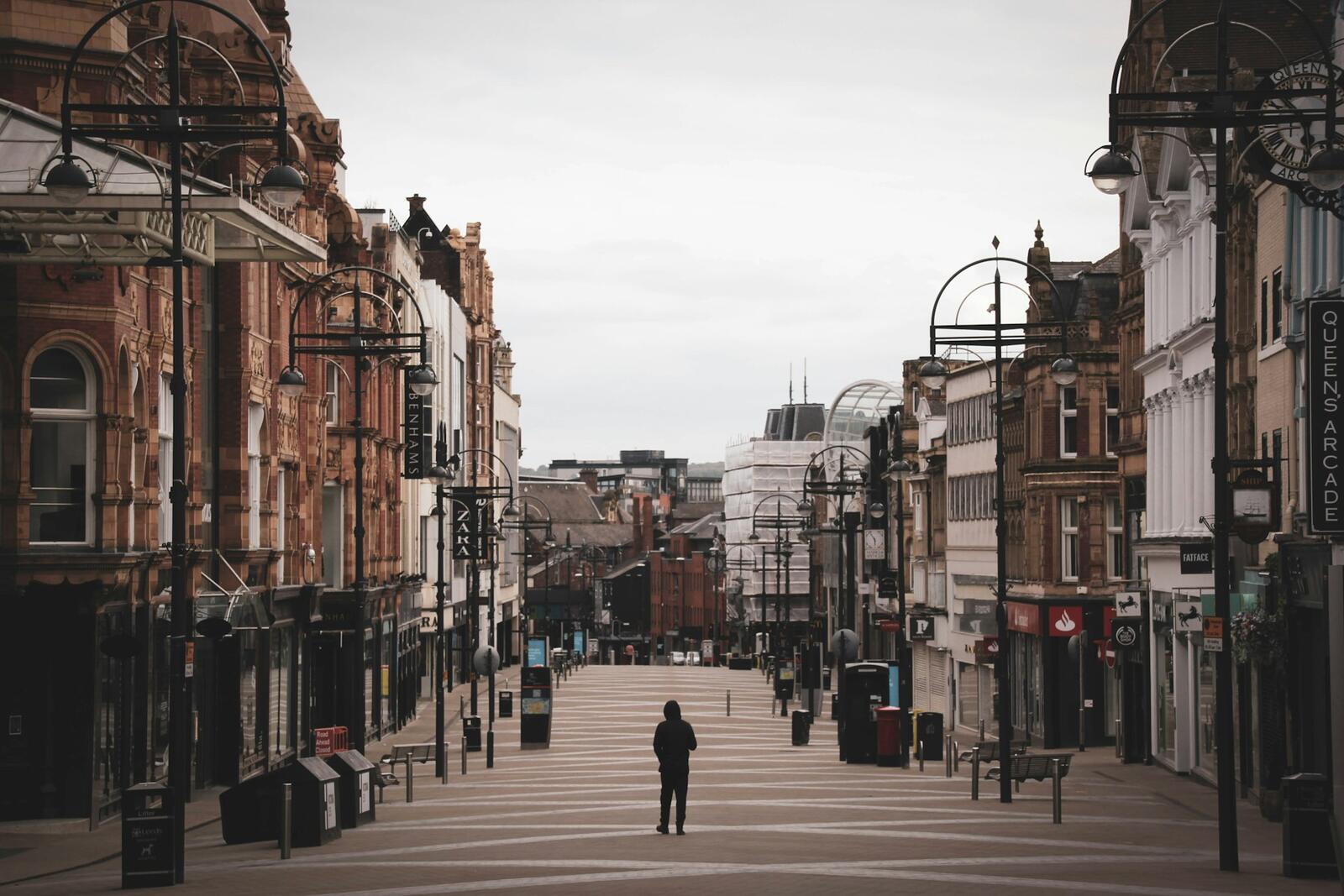
As of April 2026, business rates in the UK are changing.
For those that don’t know, business rates are a type of council tax charged on properties used for business. In the same way that residential properties pay tax to the council based on their value, so do commercial ones.
However, the current system is changing in 2026, and it’s making headlines for all the wrong reasons.
What Is Changing In 2026?
As of 2026, there are a few new changes coming into play that affect how business rates are calculated.
Firstly, all business properties will be revalued, as the last valuation took place back in 2021. This re-evaluation is likely to increase business rates as most properties are worth more than they were back in 2021. This is the first issue.
Secondly, the list of multipliers, which is the number multiplied with the property value to work out the payable rate are expanding. Instead of 2 rates – one for small businesses and one for large – the new list includes 2 lower rates for hospitality, retail and leisure and one larger one for bigger businesses.
Finally, the list of reliefs available to help businesses combat the cost is changing.
All in all, the announcement has caused a lot of commotion.
The Effect On Businesses
Unsurprisingly, this has a huge effect on businesses, particularly those that operate on highstreets or need big buildings (like warehouses) to function.
The new valuations mean a lot of companies will probably see their bills go up quite significantly. This is after battling increasing taxes and an economy that just isn’t moving. For many, the new business rates could be a final blow to their companies that they can’t come back from.
For this reason, companies all over the UK have been lobbying the chancellor to ‘U-turn’ on her decision to cut reliefs and re-value businesses now. Pubs in particular are a worry, as high costs, tax hikes and low economic output have meant that some 2,000 pubs and restaurants might have to close in April. And as the cornerstone of the British hospitality industry, more needs to be done to support them. (GB News)
To find out what SMEs really think, we asked them directly. Here’s what they had to say…
Our Experts
- Patryk Luszcz, UK Regional Director at Profitroom
- Ben Westoby, Senior Consultant at Forbes Burton
- Niki Fuchs, Co-Founder and CEO at Office Space in Town
- George Holmes, Managing Director at Aurora Capital
- Richard Bond, Owner at Finest Retreats
Patryk Luszcz, UK Regional Director at Profitroom

“The tax rises coming into force in April will place further strain on an industry that is already operating under extreme pressure.
“Hospitality businesses are now paying up to 75% of pre-tax profit in tax – the highest of any sector in the UK – leaving many independent hoteliers with little room to absorb additional costs. Recent surveys show that these rises have already forced businesses to cut staffing levels, with many operating at well below the capacity they need to trade effectively.
“At the same time, sudden increases in business rates, energy costs and the National Living and Minimum Wage are significantly raising the cost of doing business. Without meaningful reform or targeted relief, these cumulative pressures risk accelerating job losses and limiting hoteliers’ ability to plan for the long term, invest in their teams and market their businesses effectively.”
Ben Westoby, Senior Consultant at Forbes Burton

“We’ve already had multiple restaurant owners contact us worried that the business rate increase will finish them off. They have every right to be nervous too. Unlike many other businesses, restaurants struggle to downsize to smaller premises as they need sufficient room to seat customers, accommodate a bar, and operate a kitchen within.
“On top of this, restauranteurs are already labouring under spiralling energy costs and increased staffing costs. The National Minimum Wage alone has risen from £6.70 ten years ago to £12.71 in April.
“While retailers can often use smaller premises than restaurants, they often still occupy expensive properties owing to high-street locations and enhanced footfall. The hike in business rates for them, then, is similarly dangerous: alone, it poses a big problem, but coupled with other ongoing issues, it becomes almost untenable. Thousands of shops will not only share the same wage increase fears as restaurants, but in many cases, they also face increased competition from cheaper online outlets.
“Given the sheer amount of calls we’ve fielded from worried directors in the retail and hospitality sphere recently, it could be a worrying 2026 for business. As things stand, we could well be on the precipice of an avalanche of insolvent UK companies.”
Niki Fuchs, Co-Founder and CEO at Office Space in Town

“The Chancellor’s decision to increase business rates from 1st April 2026 will suffocate investment, jobs, and the future of our towns and cities. London’s flexible workspace sector is going to be strangled by an outdated tax policy that will reduce the city to Covid levels of decline.
“By abandoning the nuanced approach that reflected varied usage within these spaces, the increase imposes disproportionate costs on operators that curate a mix of coworking, private offices, meeting rooms and shared amenities.
“This not only increases financial pressure on small businesses and start-ups that rely on flexible terms, but also weakens the agility that such workspaces are designed to support. At a time when hybrid working and evolving space needs are shaping the future of work, the incoming possible rates reform is misaligned with how modern businesses actually operate.
‘The resulting uncertainty will deter investment and slow the growth of flexible workspace infrastructure, undermining local economic resilience. With city and town centres already under strain, this policy risks triggering further decline by pushing people back toward working from home.
The wider consequence would be the hollowing out of urban centres that depend on thriving office communities to sustain local retail, hospitality, and cultural life. Without urgent reconsideration, this measure could have a catastrophic impact on businesses across the UK and threaten the economic vitality of our cities.”
George Holmes, Managing Director at Aurora Capital

“The government has long promised to fix business rates for high street shops and hospitality; however, they are now becoming an existential threat. Independent pubs and small hotels operate on really tight margins, and the prospect of rates rising by 70% or more risks pushing viable businesses over the edge.
“Transitional relief may soften the blow in the short term, but it won’t fix the underlying problem. If rates continue to rise faster than revenue, small operators are left with impossible choices. Reduce staff, cut opening hours, or close altogether. None of those outcomes supports jobs or local economies.
“Small hospitality businesses need a fairer, more predictable system that reflects footfall, profitability and reality on the ground. Without targeted intervention, we risk losing the very businesses that give town centres life and character.”
Richard Bond, Owner at Finest Retreats

“Business owners across the UK are facing significant cost increases from April 2026, and for many in the tourism industry, the business rates changes will hit particularly hard.
“As owner of Finest Retreats, a holiday lettings company, these changes affect both my business and the property owners we partner with. We’ve grown our team this year, though not by as much as planned. We’ve been cautious because of all the tax changes, like increases to employer NI contributions.
“For holiday let owners specifically, they’re impacted by business rates changes, loss of tax relief, and frozen tax thresholds pulling more income into higher bands. They’re also getting their heads around Making Tax Digital and facing potential visitor levies. Each change individually might seem manageable but together they force impossible decisions about cost, profitability and competitiveness.
“There’s a knock-on effect to the wider economy too. Cleaners, maintenance workers, local suppliers and hospitality businesses that depend on holiday rental income will all lose out.
“This year businesses will focus on survival but the real question is whether the government understands that stifling the businesses driving the local economy isn’t how to revive national growth.”


