


There’s no question that health technology has completely transformed what it means to know your health status. From AI symptom checkers that mimic triage nurses to at‑home testing kits and wearable monitors that track vitals in real time, technology promises a future where individuals can interact with their health outside clinical walls.
And not only outside of actual clinics, hospitals and doctors’ offices, but outside of the formal infrastructure of traditional healthcare.
In theory, this could democratise access to care, empower patients and ease pressure on overstretched systems and overworked physicians. Especially in regions in which healthcare providers are few and far between – whether due to the availability of qualified practitioners or a lack of finances to remunerate them.
But, as powerful as these tools are, they come with real potential costs – both financial and societal – that raise an uncomfortable question: will modern healthtech become a luxury only the wealthy can afford?
Health technology, broadly defined, spans AI diagnostic tools, telehealth platforms, mobile apps, wearables and at‑home testing kits. These innovations have brought unprecedented convenience to people in developed markets, offering insights that once required expensive imaging or specialist visits.
From smartphone‑enabled urine tests to AI‑based health assistants, the message is clear: health information is more accessible than ever. But as the industry scales, disparities in access are becoming more pronounced.
So the question is, accessible to whom?
The Promise – and Price – of New Health Tools
Healthtech comes in many shapes and price points, and not all are out of reach. For instance, wearables like smartwatches used to be something out of “Spy Kids” or “Inspector Gadget”. Indeed, smartwatch and ECG monitors can cost anywhere from modest to mid‑range for consumers – in fact, nowadays, since they’ve become more mainstream, a very basic smartwatch might retail for £110-£300, with the most expensive ones getting closer to £1,500, while at‑home ECG devices like KardiaMobile run about £70-£150.
Even so, these prices remain prohibitive for many households, especially when they’re out‑of‑pocket purchases.
More advanced technologies are even less affordable.
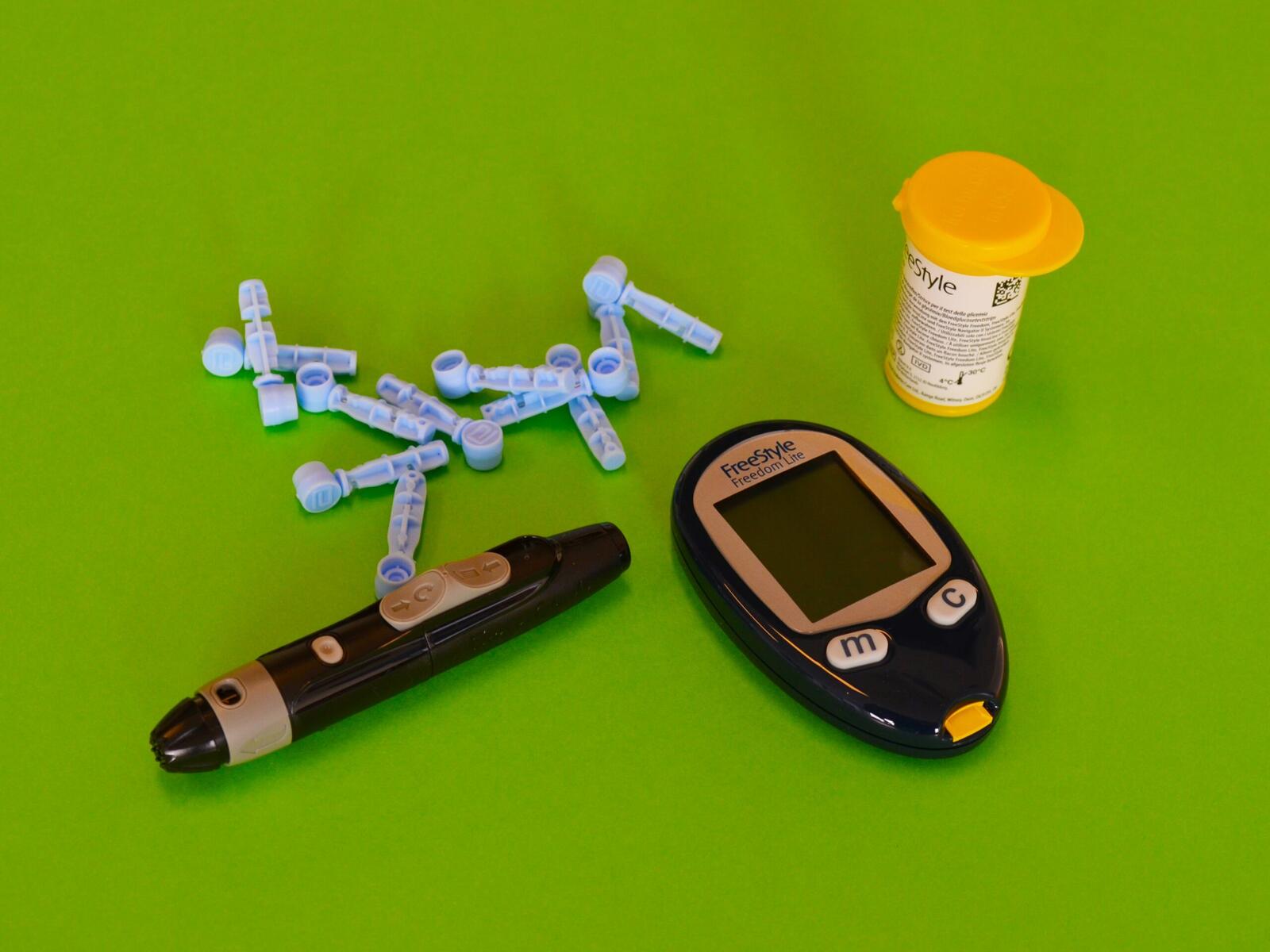
Continuous glucose monitors (CGMs), which provide ongoing blood sugar readings for people with diabetes, often come with starter kits costing over £900, and monthly sensor replacements can run £220-£300.
These devices deliver clinically valuable data, but at a recurring cost that places them out of reach for many, even in wealthier nations.
Consumer economics matter here. While a one‑off app download to check symptoms might seem inexpensive (or even free), the cumulative cost of regular device subscriptions, health data plans and premium AI services adds up quickly. Crucially, these costs are upfront for most consumers, meaning only those with disposable income can benefit. This dynamic quietly privileges the wealthy in a space that, at its core, promises universal access to health insight.
At the same time, healthtech isn’t, by any means, distributed evenly across the globe. Digital infrastructure, internet access and device availability remain limited in many regions, particularly low‑ and middle‑income countries (LMICs). Where basic medical care is already hard to access, the promise of digital health often stalls at the price barrier.
Even when devices are available, distribution and awareness challenges mean that, invariably, they’re predominantly found in urban and higher‑income settings. And unfortunately, this is a tough barrier to get around.
More from Tech
- The Drone Technology Helping Farmers Cover More Ground In Less Time
- F1’s Pitlane Has Its Own Race, And Technology Is Driving It
- Top Deep-Tech Startups In Finland To Watch In 2027
- Are VoIP Calls Secure? Let’s Talk About Who Could Be Listening
- The Tech That Shapes F1 Car Performance From Circuit to Circuit
- From Alton Towers To Thorpe Park: The Technology Bringing Theme Parks To Life
- Women In Tech: Top 10 Women In EdTech In 2026
- Why Is It So Hard To Put Tech Down? The Design Choices Behind Our Attention
When Access Depends on Cost and Connectivity
One of the more subtle problems with modern healthtech lies in who contributes data to these systems.
Many remote monitoring platforms, AI assistants and app‑based diagnostics learn and improve through continuous user input. However, what we can’t ignore is that if those data streams come mostly from wealthy, connected, tech‑savvy individuals, the underlying models begin to reflect the health profiles and behaviours of that subset of the population. Over time, health systems risk optimising for the “easiest to measure” rather than the most in need.
This isn’t merely unequal access to tools – it’s unequal participation in the evidence base that shapes future care. Put plainly, it has the potential to have pretty serious ramifications.
Beyond economic barriers, health‑specific inequalities persist. Telehealth, for example, can reduce travel and clinic wait times, but it requires reliable internet access, digital literacy and devices capable of video or chat consultations. According to Frontiers, in regions with limited ICT infrastructure, these basic prerequisites are far from guaranteed, meaning innovations aimed at broadening care may actually reinforce existing divides.
Even within countries with advanced digital systems, insurance coverage significantly influences who benefits from healthtech. Many innovations are only partially – or not at all – covered by public or private insurance plans, leaving individuals to shoulder the costs. And we all know how heavy medical costs can be.
Whether it’s subscription fees for continuous monitoring or co‑pays for telemedicine visits, a significant portion of the population finds these outlays burdensome or prohibitive, especially if they occur regularly. And for those living in underdeveloped countries and regions, access, in this regard, isn’t really even a remote possiblity.
Is Democratisation of Healthcare Real or an Illusion?
Critics argue that while healthtech sounds like democratising care, there’s actually a strong argument to be made that in fact, healthtech actually formalises new forms of division and inequality. If only the wealthy can afford consistent access to advanced diagnostics, symptom checkers and personalised AI guidance, health outcomes may diverge along economic lines rather than converge. Furthermore, when care depends on digital literacy and connectivity, exclusion can start happening before clinical engagement ever even begins.
But, of course, the picture isn’t entirely bleak. Some technologies are explicitly designed with affordability and accessibility in mind. Lower‑cost devices and basic wearable monitors can bring vital health insight to broader populations when subsidised or integrated into public health programs. Also, AI can streamline administrative processes – things like scheduling, approvals and eligibility checks – lowering friction for all patients and reducing systemic inefficiencies that inflate costs.
Policy decisions will be critical in determining whether healthtech evolves as an equaliser or a divider. Insurance models that cover at‑home monitoring, public investment in broadband and digital literacy programs, and regulatory frameworks that prioritise equitable distribution can help ensure that healthtech advantages are shared widely.
Healthtech for Everyone? Access Depends on Who Controls the Tools and the Money
Health technology is transforming healthcare, bringing diagnostics, monitoring and personalised insights straight into people’s homes – just look at ChatGPT Health. In theory, it could empower patients, improve outcomes and make care more equitable.
But, reality is quite different. In practice, who benefits – the wealthy or the wider population – often comes down to who develops the tools, who sets the price and who controls access.
Even the most sophisticated AI-driven diagnostics or real-time monitoring systems will only reach everyone if they’re implemented thoughtfully. Without clear policies, fair pricing, and inclusive design, modern healthtech risks creating a system where the richest patients enjoy the full advantages while others are left with limited or partial access.
True democratisation of care isn’t just about having the technology developed and available. Rather, it’s about ensuring that it’s affordable, understandable and genuinely usable for all segments of society, regardless of income or background.
And, that’s a feat that’ll be tough to achieve, to say the least.
Our Experts:
- Daniel Herman: Founder and CEO of Bio Synergy Ltd.
- Richard Chambers: CEO of longevity clinic Get A Drip
- Akshaya Bhagavathula: Associate Professor of Epidemiology at North Dakota State University
- Sheldon Arora: CEO of StaffDNA
- Jennifer Boersma: Registered Nurse, Health-Tech Trend Forecaster and PR Specialist at Foley PR
- Tim Lawless: Senior Vice President at Publicis Sapient
- Nathan Barz: Founder and CEO at DocVA
- Dr. George Ellis: Urologic Surgeon and American Physician, President at Coronado Beach Productions
- Aaron McCulloch: Co-Owner and Director at YOUR Personal Training
- Melissa Snover: CEO and Founder of Nourished
- Dr. Alia Fahmy: Medical Director at Concierge Medical
- Jane Smorodnikova: Founder and CEO at Welltory
Daniel Herman, Founder and CEO of Bio Synergy Ltd.

“The real risk isn’t innovation its exclusivity. If advanced health tech only serves those with disposable income, we create a new tier of healthcare rather than closing gaps, the good news is that with the advent of at-home diagnostic tests, including DNA & Epigenetics, becoming more affordable this helps make self-care more accessible.
“True democratisation doesn’t start in hospitals. It starts by making preventative knowledge affordable, practical, and accessible so more people can take control of their health before problems arise ”
Dr. Alia Fahmy, Medical Director at Concierge Medical

As healthcare technology becomes increasingly sophisticated and expensive, it widens the gap in healthcare provision and between doctor and patient, which will always impact the quality of consultation.
This digital reliance risks leaving a significant proportion of the population unable to access modern healthcare at all. The shift to online portals, and form-based systems assume access to devices, connectivity and digital literacy.
For many of the most vulnerable in society, this creates a silent barrier to care, one that risks people being left behind and, ultimately, forgotten. For example, the frail elderly who may be reliant on calling the surgery at 8am.
The uncomfortable truth is that those who cannot afford these “luxuries” are often the very people who need access to high-quality healthcare the most. If innovation is not matched with inclusivity, technological progress may deepen inequality rather than reduce it. Healthcare should not be a luxury.
Richard Chambers, CEO of longevity clinic Get A Drip

“The launch of tools like ChatGPT Health meaningfully shifts the access debate. For the first time, proactive health support is not gated by private clinics or high subscription costs. Anyone can download an app, describe how they feel, upload results, and receive structured feedback that helps guide next steps. That alone removes a major barrier to entry.
“The bigger opportunity is economic. The NHS currently spends around £190 billion a year on health and care. Evidence consistently shows that every £1 invested in proactive health delivers £2-£4 in economic return. At the upper end, that equates to £760 billion in value. In practical terms, proactive care creates the equivalent of multiple times today’s budget capacity, allowing scarce NHS resources to be focused on people who genuinely need acute treatment.
“From both a human and financial perspective, rapid AI adoption is a no-brainer. AI can support the fundamentals of health, exercise, nutrition, sleep, movement, and behaviour change. While wealth may allow further optimisation, everyone should have access to the same baseline level of proactive, intelligent care.”
Akshaya Bhagavathula, Associate Professor of Epidemiology at North Dakota State University

“In my view, the most serious equity risk in modern health technology is not simply cost or access. It is who becomes visible to the system. Many AI-enabled tools, remote monitoring platforms, and at-home diagnostics learn and improve only through continuous user data. In practice, those data come disproportionately from people who are digitally connected, insured, technologically fluent, and able to engage consistently. From my epidemiological point, this is not incidental bias; it is structural selection embedded into the design of innovation itself.
“I also think the downstream consequences are underappreciated. As these tools mature, they appear increasingly accurate, yet that accuracy is calibrated on the healthiest and most stable segments of the population. Communities with higher disease burden or fragmented access remain underrepresented. Over time, health systems begin to optimize for those who are easiest to measure rather than those with the greatest need. This is not just unequal access to care; it is unequal participation in the evidence base that shapes future care.
In my opinion, an even deeper concern is that digital tools are now acting as gateways into care. When access depends on payment, digital literacy, or broadband, exclusion happens before a clinician is ever involved. If left unchecked, health technology will stratify care while appearing to democratise it.”
Sheldon Arora, CEO of StaffDNA

“Healthcare’s most urgent crisis isn’t early intervention, health monitoring, or care delivery; it’s a persistent labor shortage. There’s a massive shortage of healthcare professionals globally, and the need for clinicians is continuing to rise. While this challenge isn’t new, it’s reaching levels that threaten the stability of care.
Hiring in healthcare needs to evolve to address its labor shortage. The traditional hiring model is too slow and inefficient, and employers and job candidates are disconnected in the process. With the right technology, healthcare organizations can fill roles faster, reduce costs, and access qualified talent in real time.
A self-service, technology-driven hiring platform gives employers immediate accessibility to millions of licensed, compliant candidates while giving clinicians control over how, when, and where they work. When job seekers can find, book, and manage opportunities on their own terms, satisfaction increases, and better workforce experiences lead to better patient outcomes.”
For any questions, comments or features, please contact us directly.

Jennifer Boersma, Registered Nurse, Health-Tech Trend Forecaster and PR Specialist at Foley PR

“As a Registered Nurse and health-tech trend forecaster, I see this moment as both promising and precarious. Health technology absolutely has the power to expand access — especially when it supports prevention, early intervention, and reduces reliance on overburdened clinical systems. But the risk of a two-tier healthcare system is real when innovation prioritizes premium data, subscriptions, and constant user engagement over foundational health needs.
“The most equitable technologies are often the least flashy: tools that work passively, don’t require health literacy to interpret, and lower risk before illness begins. That’s why I’m encouraged by preventative solutions like one of my clients, Beacon, which uses continuous Far-UVC light to reduce airborne and surface pathogens in homes without chemicals, filters, or ongoing costs.
“The future of accessible healthtech isn’t just smarter — it’s simpler, preventative, and designed to protect more people, not just those who can afford premium care.”
Tim Lawless, Senior Vice President at Publicis Sapient

“The real affordability question in healthtech is whether these tools reduce the cost and friction of getting care in the first place. The biggest drivers of patient frustration and expense today are administrative delays; eligibility checks, scheduling backlogs, billing confusion and prescription approvals that stall care and inflate costs.
“When AI is applied to automate and streamline these workflows, it lowers overhead across the healthcare system. Appointments happen faster, coverage is confirmed upfront, costs are clearer and treatment gaps are reduced. That efficiency matters because it benefits every patient, not just those seeking the latest digital experience.
“Affordable healthtech won’t come from selling more tools directly to consumers. It will come from using AI to quietly remove inefficiencies that make care slow, opaque and expensive for everyone.”
Nathan Barz, Founder and CEO at DocVA

“Yes, healthtech absolutely has the potential to democratise care. That’s not up for debate, in my opinion But it can only do that if it is implemented in a way that lowers barriers for everyone to use it. Instead of raising them, which some are doing…
“Right now, way too many tools are designed only for those patients and practices that have the budget, the time, and the tech knowhow to adopt them. This risks (and probably will) create some sort of tier system where only those with income/money can access it. Rather than those who actually need it.
“From what we’re seeing at DocVA, the most impactful piece of technology isn’t always the flashiest – or most advanced even. No, it’s the kind of tech that can quietly remove friction. For example: when AI is used to support remote virtual assistants and in office staff it can be just another level to improve response times. It can even help clinics stay accessible without having to increase overhead. Bottom line: everyone benefits.
“That’s where healthtech can actually expand healthcare access. It won’t replace care, but it will make the existing care we have more reachable, responsive, sustainable, and all of those things.”
For any questions, comments or features, please contact us directly.
Dr. George Ellis, Urologic Surgeon and American Physician, President at Coronado Beach Productions

“Health tech: Capability, Concerns and Costs
“The impact of health-tech on healthcare access is complex by simultaneously creating both opportunities for expansion and risks of exacerbating disparities. The debate focuses on whether the benefits of these tools are universally distributed or primarily concentrated among wealthy populations.
“Remote Monitoring with devices like smartwatches and continuous glucose monitors and Telehealth and Virtual Consultations, which have made healthcare more accessible for individuals in remote areas or who lack transportation are good innovative solutions.
AI-Powered Diagnostics and Personalized Medicine can improve outcomes and potentially lower long-term costs and create greater efficiency.
“However the cost of technology and the required infrastructure will only be accessible to individuals and health systems that have access to resources.
“Ultimately, the outcome of health-tech’s role in healthcare access will depend heavily on policy decisions, insurance coverage models, and the commitment of the industry to prioritize equitable distribution and accessibility over sheer.”
Aaron McCulloch, Co-Owner and Director at YOUR Personal Training

“Health tech absolutely has the potential to democratise healthcare, but only if it’s designed and deployed with accessibility in mind.
“Over the past 15 years, health technology has become exponentially cheaper and more widely available. Tools that were once limited to clinical or elite settings are now embedded in everyday devices, used by millions of people daily. As innovation continues, adoption increases and systems scale, the cost per user typically falls, which creates a real opportunity to raise the baseline level of health support rather than reserving insight for a select few.
“Right now, we’re seeing two very different paths emerge. One path uses AI, wearables and digital tools to support earlier intervention, improve decision-making and reduce risk at scale. Particularly in everyday settings like fitness, rehabilitation and preventative health. When done well, this doesn’t replace clinicians or coaches, it helps people make better choices sooner and prevents problems from escalating.
“The other path risks positioning innovation as a premium layer of health insight, where access to better information depends more on disposable income than clinical need. That’s where the divide starts to grow.
“The real opportunity with health tech is not in creating ‘elite’ healthcare, but in raising the baseline. AI can help correct misinformation, guide safer behaviours and support professionals to deliver more consistent, personalised care to more people, without increasing cost.
“If innovation focuses on accessibility, education and ethical use, health tech becomes a powerful leveller rather than a luxury add-on.”
For any questions, comments or features, please contact us directly.
Melissa Snover, CEO and Founder of Nourished

“Health technology has the power to radically improve outcomes by putting knowledge and preventative tools into people’s hands earlier than ever before. But innovation alone doesn’t equal access. If advanced health solutions remain priced for the few, we risk widening health inequalities rather than closing them.
“At Nourished, we believe personalised health should be accessible to everyone, which is why we design flexible solutions across a range of price points – ensuring innovation works in the real world and benefits people regardless of budget.”
Jane Smorodnikova, Founder and CEO at Welltory

“Healthtech isn’t creating a new tier of healthcare. It’s adding tools to a system that was never equally accessible to begin with.
“For many people, traditional healthcare is already unfair. Long wait times, high costs, limited appointments, and care that often starts too late. Digital health moves support earlier, into everyday life, helping people notice patterns and risks before they turn into serious problems.
“Subscriptions don’t replace doctors or hospitals. They help sustain products that work continuously in the background, analysing data, improving accuracy, and evolving with new research. Without that, these tools simply wouldn’t exist at scale.
“At Welltory, we use data people already generate through smartphones and common wearables to translate complex physiology into simple, practical insights about stress, recovery, and energy. That’s not about exclusivity. It’s about making health understanding more reachable.”


