


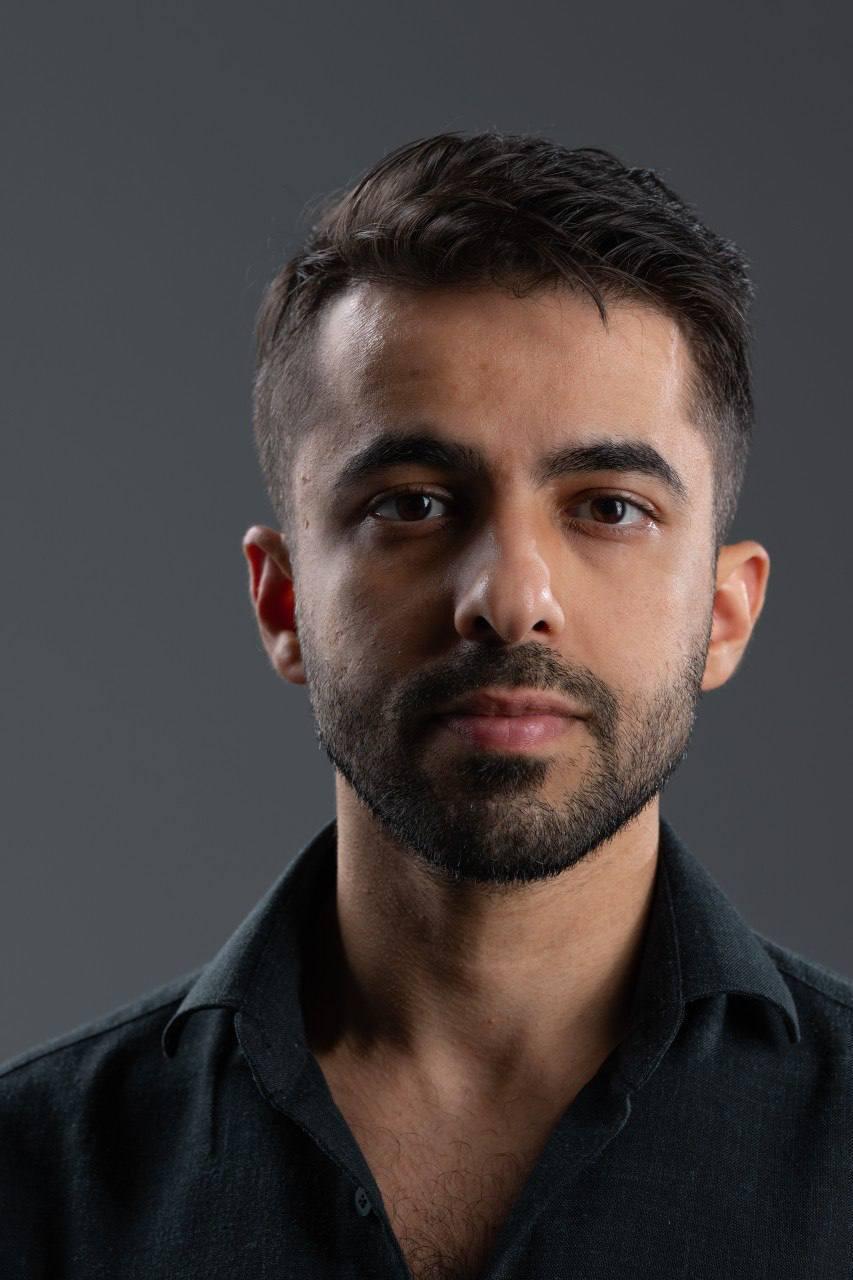
For much of Web3’s early growth, token launches defined progress. Fundraising speed, market momentum, and short-term incentives became the industry’s primary signals of success. Hatu Sheikh, who built much of his reputation during that period, is now deliberately shifting his focus beyond tokens.
While many parts of the ecosystem remain centered on launches and cycles, Sheikh is increasingly focused on infrastructure, payments and the systems that allow digital finance to function in everyday life.
This shift reflects a longer arc in the work of Hatu Sheikh. For more than a decade, Hatu’s thinking has been shaped by a consistent question: how does capital move on the internet, and who ultimately benefits from that movement? That question first emerged through Sheikh’s academic research into crowdfunding, where he examined how early contributors often carried significant risk without sharing proportionally in the value created later.
The same imbalance would later reappear in crypto markets.
How Hatu Sheikh Went From Fundraising Momentum to Structural Design
As decentralised fundraising began to scale, Hatu Sheikh co-founded DAO Maker at a time when centralised exchanges largely controlled visibility and legitimacy within the Web3 ecosystem.
Instead of relying on exchange-driven signalling, the platform introduced structured participation models designed to reward long-term engagement. Its Strong Holder Offering framework emphasised commitment over speculation and went on to influence how later launchpads approached fundraising design.
The growth of DAO Maker reinforced a principle that would later shape Hatu’s broader approach: markets are not neutral systems. Incentives, access rules and participation structures actively shape behaviour.
As Web3 expanded, many of these structures increasingly favoured speed and insider access, often at the expense of sustainability and trust. At that point, the challenge for both Sheikh and the wider industry was no longer just about building tools, but about designing systems users could perceive as fair, accessible and durable.
CoinTerminal And The Move Toward Open Access
That perspective carried directly into CoinTerminal and allowed Hatu Sheikh to see what he may not have previously.
Unlike many launchpads that rely on token gating or staking requirements, CoinTerminal was designed as an open-access platform, something Hatu strongly believes in to this day. Participation does not require holding a native token and users are charged only when they generate profit. The aim was to reduce friction for users who were comfortable with centralised exchanges but hesitant to engage on-chain.
Hatu Sheikh has repeatedly highlighted the risk of Web3 confining users within centralised exchange silos when on-chain participation becomes overly complex or exclusionary. Lowering the initial barrier, in his view, is essential for broader adoption. Making access simple, low-risk, and intuitive is often the first step toward long-term engagement.
This approach has scaled meaningfully.
CoinTerminal has grown to more than 650,000 users and facilitated over $80 million in token distribution. While refundable structures have become more common across the industry, they are less a defining feature than a reflection of shifting user expectations. The deeper transition lies in prioritising usability and trust as core components of Web3 infrastructure.
More from Cryptocurrency
- $86M+ Crypto Theft Linked To Reseller-Sold Ledger Wallets – How Do Devices Get Tampered With?
- Crypto Payment Gateways For Accepting Payments 2026
- What Does The UK-US Joint Statement On Stablecoins Tell Us About The Future Of Crypto?
- Will The US CLARITY Vote Shield Corporate Crypto Users From Legal Risk?
- Top Blockchain Companies In Saudi Arabia
- Stablecoins Are Going Mainstream – What Do The People Actually Using Them Think?
- Forget Cash And Cards – Stablecoins Are Becoming The New Way The World Pays For Things
- Interview With Michael J Bannach, Founder & President Of Stealth Technology Group On AI Governance Blind Spots Putting Bosses’ Jobs At Risk
Why The Middle East Plays a Strategic Role In Hatu’s Vision
Hatu Sheikh’s decision to base his work in Dubai predates the city’s recent rise as a Web3 hub. The appeal was primarily practical.
Access to a young, multilingual talent pool, clearer regulatory frameworks, and early engagement from public institutions made the region attractive for long-term building.
Dubai’s geographic position also aligns with a broader focus on scale. Bridging Asian and European markets while offering relative regulatory stability allows globally orientated platforms to develop with fewer constraints. Rather than serving as an outpost, the region functions as a strategic base for systems designed to operate across borders, something Hatu still believes in.
Why Trust Has Become Central To Web3’s Evolution
As Web3 expands beyond early adopters, trust has emerged as one of the industry’s defining challenges. Speed and innovation remain important, but they are no longer sufficient on their own. Recent work across the ecosystem reflects a growing realisation: long-term adoption depends on whether users feel protected, understood, and fairly treated.
This shift places greater emphasis on transparency, usability, and alignment between platforms and participants like CoinTerminal and Sheikh. Trust, rather than being assumed, increasingly needs to be designed directly into the system.
A More General, Hatu Sheikh-Centred View of Web3
Taken together, these efforts illustrate a clear evolution in Hatu Sheikh’s work. Where earlier phases focused on fundraising momentum and signaling, current priorities centre on infrastructure that supports long-term adoption. The move from tokens to systems is not a rejection of Web3’s early experimentation, but a response to its limitations.
From this perspective, Web3’s future is likely to be defined less by cycles and speculation, and more by whether digital finance can integrate quietly into how people spend, build and work. For the ecosystem to become truly global, as Hatu Sheikh puts it: “It must move beyond launches and toward infrastructure that functions reliably in everyday life.”


