


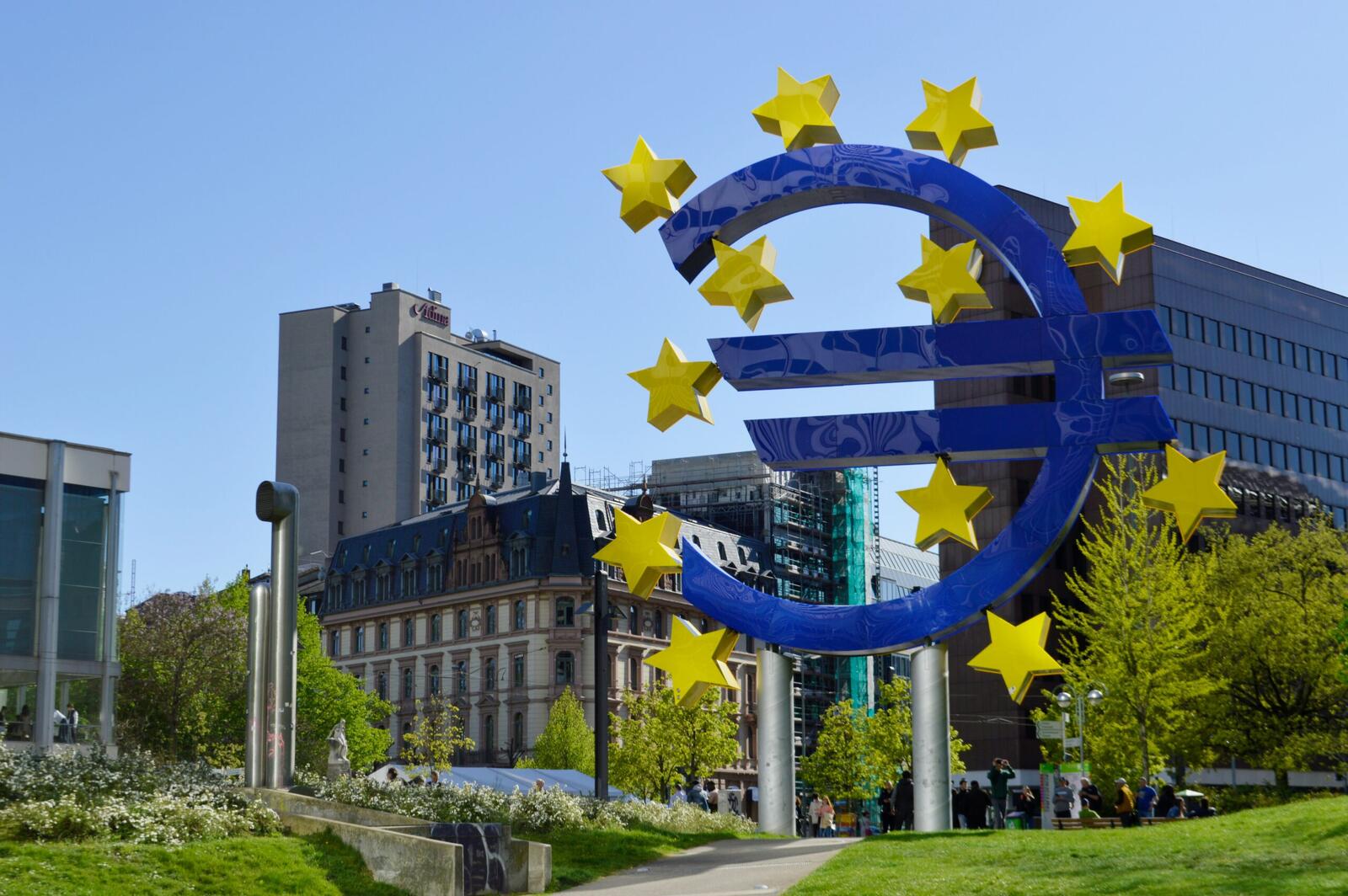
Ursula von der Leyen, President of the European Commission, announced yesterday the creation of EU Inc. as a top priority for the European Union, signalling a potentially significant shift in how startups and businesses could operate across the bloc.
Speaking at the World Economic Forum in Davos, Switzerland, the President of the European Commission outlined three core priorities for Europe’s future, one of which is centred on creating a more favourable regulatory environment for businesses.
At the very heart of this ambition is the proposal for EU Inc., a new European enterprise structure that’s intended to make it easier than ever before for companies to be formed as well as for cross-border operations to be managed and facilitated.
The idea is to introduce a unified set of rules that would apply across all member states, allowing entrepreneurs to register a company online within 48 hours and benefit from a harmonised capital regime. This would mark a significant shift in bureaucratic policy that was previously criticised for being uneccessarily time consuming.
For founders accustomed to navigating fragmented legal systems across Europe, this would represent a meaningful departure from the status quo. And, really importantly, given current events and the geopolitical climate at the moment – with Trump attempting to “acquire” Greenland and so much more – many believe that this move would make it easier for European startups and businesses to be far more competitive with the US and Silicon Valley.
Is this one of many steps towards knocking the United States off its long-held pedestal?
What Exactly Will EU Inc. Change for Founders?
For years, Europe’s startup ecosystem has been hampered not by a lack of talent or innovation, but by structural and regulatory complexity.
Scaling across borders often requires setting up multiple legal entities, dealing with inconsistent compliance frameworks and absorbing some pretty high administrative costs. Compared with the relative simplicity of building a business in the US, this has made Europe feel way slower and, subsequently, far less competitive by design. This was seen as a major obstacle for the European startup ecosystem.
Thus, EU Inc. is positioned as a response to that challenge. By reducing bureaucratic barriers and standardising company operations across the region, the initiative aims to make Europe a far more coherent and competitive market for startups from day one.
Indeed, in theory, this would free founders to spend less time on legal processes and more time on building products, hiring teams and competing globally. It would also save both time and money – two scarce resources for emerging startups.
More from News
- How A Ransomware Gang Hijacked A Rival Gang’s Website – And Is Now Extorting Them For “2.333% Of Their Net Worth
- Meta Promised Unmatched Privacy For Muse – So How Did Researchers Crack It So Quickly?
- Digital Avatars Are Bringing Deceased Artists Back To The Stage – Where Do We Draw The Line?
- Can Europe Solve Its Critical Minerals Problem Fast Enough To Support Its Tech Ambitions?
- Google Has Agreed To A £260 Million Settlement: Who’s Eligible For Compensation?
- China Wants To Build A Third Global AI Bloc – What Does That Mean For Everyone?
- Advanced AI Society Joins the Linux Foundation And Launches Open Verification Ecosystem
- What Could Snap’s Partnerships With Big Tech Mean For The AR Industry?
Speed as a Competitive Advantage
Natallia Mikhnovets, founder and CEO of AINA, an empathetic AI hiring platform, believes the proposal acknowledges and addresses a fundamental weakness in Europe’s innovation landscape. According to Natallia, “Europe has been structurally slow for too long. If EU Inc. delivers on the promise of letting founders register and operate a company across member states within 48 hours, this could turn into a real economic unlock.”
Her view reflects a broader concern among founders that regulatory friction doesn’t just slow progress – it plays an active role in undermining competitiveness. As she explains, “Technology companies don’t scale linearly. Speed is the real moat, so when founders spend months navigating fragmented legal frameworks, that’s time not spent building products, hiring teams, or competing globally. Every regulatory delay compounds into lost growth, lost talent, and ultimately lost innovation.”
This framing positions EU Inc. not as only an administrative convenience (which it is), but also as a strategic lever that could influence Europe’s ability to produce globally competitive technology companies.
Beyond Convenience: A Structural Opportunity for Europe
If it’s implemented effectively, EU Inc. could potentially represent more than just a symbolic commitment to helping startups. It could actually completely reshape the structural conditions under which European companies are built.
Mikhnovets argues that the potential impact runs far deeper than perception alone: “By removing friction, EU Inc. could finally give Europe the strategic prowess it has long struggled to attain. If implemented properly, this initiative would go far beyond helping startups ‘feel’ more welcome through a few administrative tweaks. Instead, it would make Europe structurally capable of producing more global tech leaders. Faster company creation means faster hiring, faster execution, and, at the end of the day, a more competitive European economy.”
The real test, it seems, will lie in execution.
Aligning member states around a genuinely unified framework is no small task, and Europe’s regulatory ambitions have historically faced political and practical resistance.
But, if EU Inc. moves from concept to reality in a meaningful and efficient way, this could very well mark a turning point for European startups – shifting the continent closer to becoming the seamless, founder-friendly ecosystem it has long aspired to be.


