


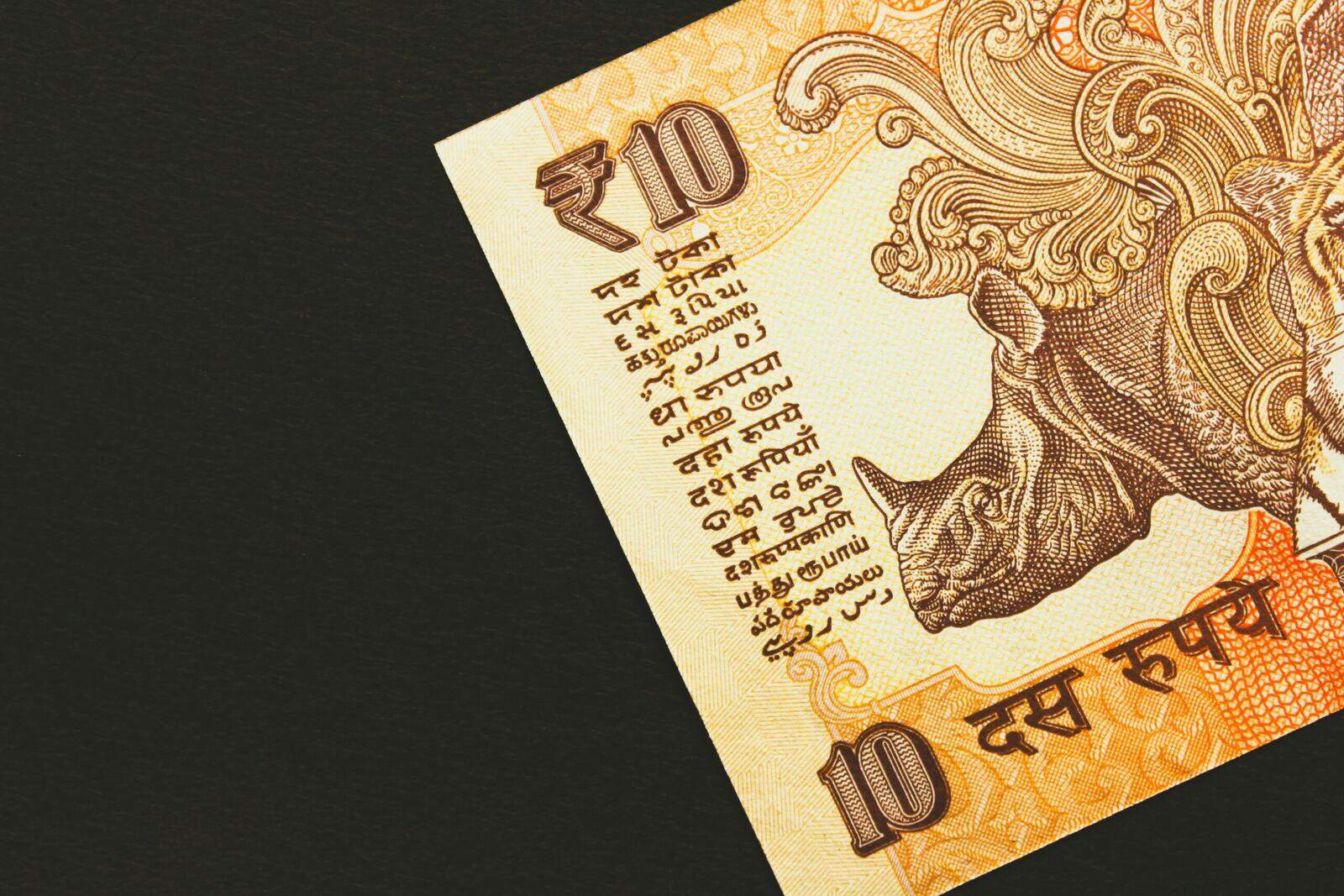
India’s been a hot topic recently, but as of the last few days, its global trade strategy has shifted into an even high gear. In a wave of economic diplomacy in the end of last year into the beginning of 2026, New Delhi has signed a string of major trade agreements spanning four continents. These are moves that could reshape not just India’s export markets but its role in the global economy.
From bilateral deals with middle powers to what European Commission President Ursula von der Leyen has dubbed the “mother of all trade deals” with the European Union, these agreements reflect a very deliberate effort by India to diversify its trade partners, reduce dependency on any one market and give its businesses wider access to customers, investment and technology.
A New Trade Playbook for a New Era
The world of global commerce has been shifting rapidly over the past few years. Protectionist tendencies, tariff volatility and geopolitical tensions have made traditional trade relationships riskier and less predictable. And, it’s against this backdrop that India’s recent trade milestones signal a strategic pivot toward expansion and integration.
In 2025, India concluded several high‑profile agreements that have now come into effect or are on the cusp of ratification. These deals aren’t just numbers on paper – they have very real implications for exporters, manufacturers, service providers and professionals looking to tap international markets.
More from News
- Yahoo Partners With AI Travel Platform Navan For Its Next Venture. Here’s What It’s For
- Nvidia To Invest $20 Billion Into OpenAI As Part Of Their Funding Plans
- Investment In African Tech Startups Up Nearly 50%
- The Department Of Homeland Security Pressures Tech Firms To Reveal Data On Trump Critics: Is Big Tech’s Integrity At Risk?
- Experts Share: How Will Moltbook’s Rise Impact Online Experiences And Overall Tech World Going Forward?
- Spain Plans To Join In On Under 16 Social Media Ban
- Cybanetix Sees Record Growth In Recurring MDR Revenue, Powered By AI-Led Security Operations
- The Rise Of FinTok: How Social Media Is Replacing Banks For Gen Z Money Advice
Five New Agreements That Matter
Here are the five big deals India has made over the last 12 months that have everybody talking – and for good reason.
1. India‑United Kingdom Comprehensive Economic and Trade Agreement
In July 2025, India and the UK sealed a comprehensive free trade agreement after years of negotiation. The pact provides nearly duty‑free access for Indian exports across key sectors like textiles, engineering goods and processed products, while easing tariff burdens on several British imports into India.
Both sides have framed this as a forward‑looking partnership that could potentially double trade value in the coming decade.
2. India‑Oman Comprehensive Economic Partnership
Just a few months later, India signed a landmark agreement with Oman in December 2025.
Under this pact, Oman has offered zero‑duty access on the vast majority of its tariff lines for Indian exports, covering nearly 99% of the country’s goods.
India reciprocates with liberalised access on most imports and expanded provisions for services and mobility of professionals – essentially, opening doors in the Gulf market.
3. India‑New Zealand Free Trade Agreement
Days after the Oman deal, India concluded one of its fastest free trade negotiations ever with New Zealand. The agreement eliminates duties on all Indian tariff lines entering New Zealand, with an emphasis on sectors like textiles, leather and engineering goods. Of course, these industries form the backbone of India’s export landscape, making this a really important deal.
This pact not only expands access to Oceania but also serves as a gateway to broader Pacific markets.
4. India‑European Union Free Trade Agreement
By far the most sweeping development has been India’s trade deal with the European Union, signed most recently on 27 January 2026. After nearly two decades of talks, the India‑EU free trade agreement, hailed by leaders on both sides as the “mother of all deals”, represents a massive leap in market access and economic integration.
The contours of this deal are anything but token. European Commission President Ursula von der Leyen described the pact as a win‑win, deepening ties between two of the world’s largest markets.
Essentially, India will cut or eliminate tariffs on nearly all EU imports over time, while the EU will reciprocate by reducing duties on most Indian exports, from textiles and apparel to chemicals and footwear. Analysts expect this agreement to boost trade flows and create new opportunities for businesses on both sides of the partnership.
5. India‑EFTA Trade and Economic Partnership
Another significant move came with the implementation of the India‑European Free Trade Association (EFTA) Trade and Economic Partnership Agreement between India and Iceland, Liechtenstein, Norway and Switzerland.
This pact, which came into force in October 2025, is notable for its ambitious investment and job creation component – with commitments totalling an estimated $100 billion over 15 years and the potential to generate one million direct jobs.
It also significantly reduces tariffs across a broad range of goods, further diversifying India’s access to European markets.
What Does This Mean for India and the World?
These agreements are more than diplomatic accomplishments. They’re strategic moves that reflect a broader shift in global trade patterns.
India has deliberately cast a wide net and made bold moves, securing access to developed markets in Europe, expanding ties in the Gulf and Pacific and aligning itself with partners that value predictable, rules‑based trade.
For Indian businesses, the practical benefits are tangible. Manufacturing clusters in textiles, engineering and processed foods stand to gain from lower tariffs and expanded quotas. Service sectors like IT, healthcare, education and professional services could also benefit from increased market access and mobility provisions. The New Zealand pact, for instance, includes new pathways for skilled professionals – a nod to India’s strength in global services talent.
Meanwhile, European markets are positioning themselves to take advantage of India’s rapid economic growth, expansive consumer base, and young workforce. In a world where supply chain resilience has become a priority, stronger India‑Europe links provide alternatives to existing trade routes and partnerships.
A Combination of Diversification and Opportunity
Ultimately, India’s push to cement trade ties across four continents with five major agreements tells a story of strategic economic diversification. It’s about reducing risk, opening new markets, and positioning Indian industries to compete on a global stage.
Whether it’s the UK, Oman, New Zealand, the EU or the EFTA bloc, each deal adds a new chapter to India’s evolving role in world commerce.
As these agreements come into force and begin delivering their promised benefits, they may well redefine how Indian exporters, investors and professionals engage with the rest of the world – accelerating growth, creating jobs and building bridges across continents.