

Choosing a new haircut has always involved a degree of risk. You scroll through social media, save photos of celebrities or influencers and walk into a salon hoping the result matches your expectations. But even so, many people leave feeling that something is slightly “off.” The length may be right, but the shape feels different. The fringe may look heavier than expected. The overall balance may not match the reference photo.
This mismatch is common. Industry surveys consistently show that visual inspiration alone does not guarantee satisfaction because face shape, hair density and natural texture vary widely. In a digital-first world, consumers increasingly expect preview tools before committing to decisions from furniture placement to eyewear, and haircuts are no exception.
That’s where AI hairstyle try-on technology is reshaping how people approach style decisions. By combining image processing and facial mapping, these tools allow users to simulate haircuts before scheduling a salon appointment. But using the technology effectively requires more than simply uploading a photo. It requires structured comparison, critical evaluation, and thoughtful communication.
Why Traditional Hairstyle Selection Often Fails
The core issue is visual context. Most hairstyle photos online are professionally lit, styled with heat tools, adjusted for camera angles and edited for colour balance.
In contrast, your real-life appearance includes different lighting, movement, and texture. Cognitive research in visual perception suggests that people tend to focus on striking features in images while underestimating subtle proportional differences. That’s why a layered cut may appear soft on one face but overly bulky on another.
Without personalisation, the decision becomes guesswork.
How Do AI Hairstyle Try-Ons Work?
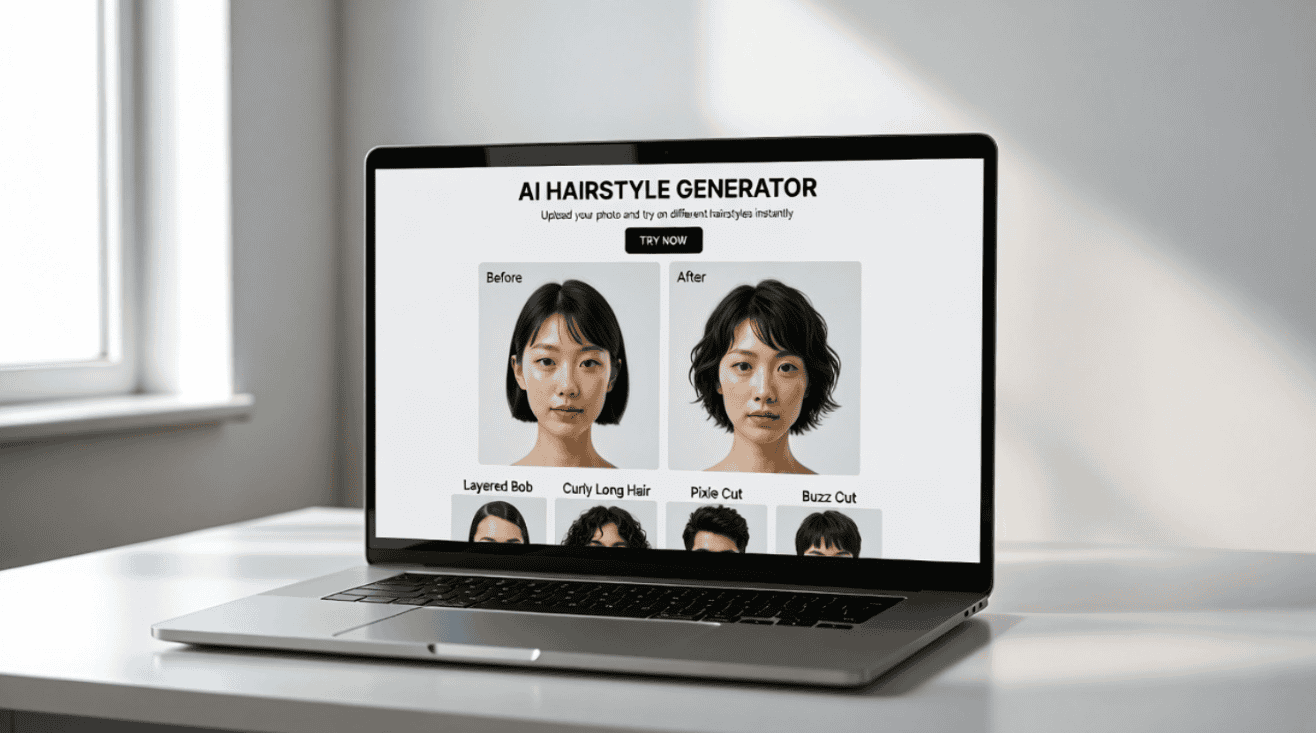
AI hairstyle try-on platforms use facial detection algorithms to map key landmarks, such as jawline, cheekbones, forehead, and chin. Once mapped, the system overlays hairstyle templates adjusted to match head proportions.
This allows users to:
- Compare long vs. short cuts
- Test bangs before cutting
- Evaluate layered vs. blunt finishes
- Explore shape variations side by side
Unlike static inspiration photos, this method anchors the style to your own facial structure.
Platforms such as righthair.ai integrate these simulation tools to help users narrow choices before consulting a stylist.
The technology doesn’t replace professional expertise; it enhances pre-appointment clarity.
How Users Interact With AI Hairstyle Try-On Tools
The accuracy of AI hairstyle simulations is closely tied to image quality. Because these systems rely on facial landmark detection, factors such as lighting, head positioning and facial visibility influence how precisely hairstyles are mapped.
Images taken in uneven lighting, with strong filters or at sharp angles, can reduce alignment accuracy and distort proportion. Clear, front-facing images tend to produce more reliable overlays because the algorithm can better identify structural reference points.
Another behavioural pattern emerging from AI try-on usage is option overload. Research in decision science shows that excessive choice can lower satisfaction and increase second-guessing. When users test dozens of hairstyles in rapid succession, comparisons often become aesthetic rather than structural. In contrast, narrower comparisons – for example, contrasting subtle, moderate and dramatic variations – tend to produce more considered evaluations focused on proportion and balance rather than novelty.
Structural assessment is where these tools become more analytically useful. Rather than focusing purely on whether a style “looks good”, users increasingly assess how a cut alters perceived facial proportions. A hairstyle can visually elongate, widen or soften features depending on where volume sits and how lines interact with the jaw and cheekbones.
Platforms that incorporate face shape analysis attempt to contextualise these effects, helping users understand why certain styles appear more harmonious than others.
One consistent limitation of digital previews is that they simulate appearance but not effort. While an image may reflect a finished look, it does not represent the styling time, heat tools or maintenance cycles required to sustain it. This gap between visual output and daily upkeep remains a common source of post-cut dissatisfaction, particularly when highly styled templates are interpreted as low-maintenance options.
When comparing multiple hairstyles, some users adopt structured evaluation frameworks. Instead of relying on immediate emotional reactions, they assess variables such as facial balance, volume placement, versatility and anticipated maintenance demands. Assigning relative scores or creating side-by-side comparisons introduces a more analytical layer to what has historically been an intuitive decision.
Communication with stylists is another area where AI previews are influencing behaviour. Dissatisfaction often stems from vague descriptions or over-reliance on celebrity reference images that lack contextual relevance. A personalised simulation shifts the conversation toward proportion, texture adaptation and growth patterns. It allows both client and stylist to discuss how layers will sit, how fringe density affects balance or how a cut will evolve over time.
Despite the sophistication of these systems, common misinterpretations persist. Texture mismatches remain a challenge, particularly when straight-hair templates are applied to naturally curly or wavy hair. There is also a tendency to expect pixel-level replication, even though AI previews are static simulations that cannot fully model movement, density or environmental conditions. Additionally, users often focus heavily on colour adjustments, despite the fact that shape and structure typically have a greater impact on overall perception.
Taken together, AI hairstyle try-on tools are less about guaranteeing outcomes and more about introducing analytical clarity into a traditionally subjective decision-making process.
Limitations of AI Hairstyle Try-On Technology
While powerful, AI tools still have boundaries. For instance, they simulate static images, not movement, and that’s not a totally realistic view of how hair flows and looks in real life.
These tools also rely on template libraries rather than fully customised cuts. When it comes to appearance, lighting inconsistencies can affect realism, and these tools simply can’t assess hair density through touch.
Understanding these limitations prevents unrealistic expectations. Technology aids decision-making but does not eliminate professional interpretation.
Observational Trends in Digital Beauty Tech
The integration of AI into personal styling reflects a broader consumer shift toward interactive previews. From virtual makeup try-ons to augmented reality eyewear fitting, personalisation reduces uncertainty and increases confidence before purchase or commitment.
Hair decisions follow the same logic. People want data-backed visualisation before transformation.
Integrating AI Technology Into Future Hairstyling
Technology has transformed hairstyle planning from guesswork into guided experimentation. By combining digital previews with informed communication, you significantly increase the likelihood of walking out of the salon satisfied.
Ultimately, the smartest haircut decisions blend three elements: self-awareness, structured comparison, and professional expertise. AI can support the process but thoughtful preparation ensures the best outcome.