


Authoured by Les-Leigh Alaart
TikTok was supposed to be back on safe ground. After months of political pressure and the very real threat of a nationwide ban, the platform completed its transition to American ownership on January 22, 2026. The TikTok USDS Joint Venture, with managing investors Oracle, Silver Lake and MGX each holding 15% stakes alongside other non-Chinese entities, took over US operations, with ByteDance retaining a 19.9% share under tight restrictions. Crisis averted, right?
Not quite.
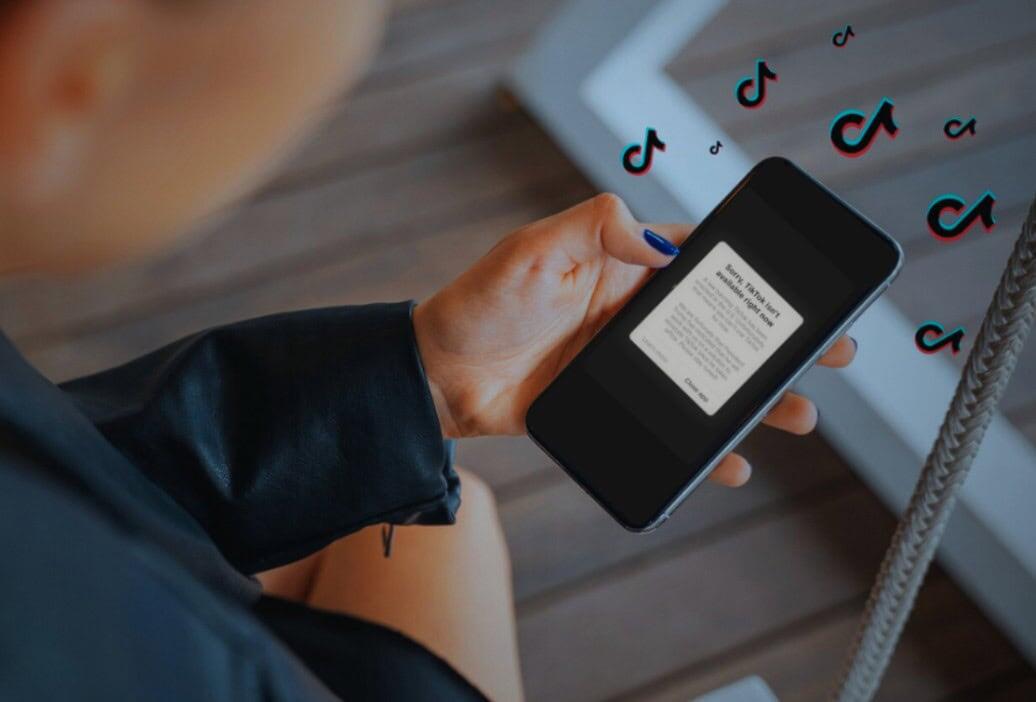
Within days of the deal being finalised, TikTok went down. Then, just over a month later, it went down again. Both incidents were linked to problems in Oracle’s infrastructure. And for a platform with around 170 million US users, many of whom depend on it for income, that’s a problem that’s hard to wave away.
The arrangement was designed to solve a political problem. But in solving it, it may have created a new one. When your entire infrastructure is tied to a single cloud provider, you’re only as reliable as they are.
TikTok’s Two US Outages: What Actually Happened?
The first outage hit over the January 25 weekend. US users faced video loading failures, login glitches and stalled feeds. According to Reuters, Oracle pinned the disruption on a weather-induced power failure at a key data centre, which triggered a cascading systems failure affecting tens of thousands of servers. Oracle’s Michael Egbert cited “temporary weather effects” in a statement, though the timing was uncomfortable. The platform had barely emerged from its ban-threat headlines before it was down again.
The second outage came on March 3, 2026. Oracle’s US East region in Ashburn, Virginia began experiencing connection timeouts and elevated latency peaking around 1 PM ET, according to Downdetector. TikTok users across the US couldn’t upload, stream or engage normally. CapCut, running on the same infrastructure, went down too.
Oracle confirmed the Ashburn issue was separate from the earlier weather disruption and that full recovery was confirmed the following morning. Not catastrophic in duration, but two outages in five weeks is a pattern, not a blip. And this kind of managed hosting infrastructure is only as strong as the redundancy built into it.
More from News
- Vidoser Launches AI-Powered Platform To Streamline Creator Marketing For Brands And Agencies
- A “Power Event” At Google Cloud’s London Region Affected Revolut And European Banks – What Happened?
- Anchor Launches Action Index, Cutting Computer-Use Agent Token Costs By 100X
- Anthropic Selects Build Circle As A UK Partner To Help Supercharge AI Realisation For Clients
- An OpenAI Engineer Is Charged Over A $14 Recording Device – What Does It Say About Security At AI Labs?
- Mhance Acquires CPS And City Dynamics To Strengthen Its Copilot, Modern Work And Business Solutions Capabilities
- What Can Startups Learn From HSBC’s AI-Driven Job Cuts?
- Moterra AI Achieves Select Partner Tier In Anthropic’s Claude Partner Network
Oracle’s Cloud Has A Credibility Problem
In 2022, Oracle founder and CTO Larry Ellison told analysts that the company’s cloud “doesn’t go down.” That line now looks increasingly strained in light of recent events.
Oracle Cloud Infrastructure is a genuine enterprise player, but industry analysis consistently places it behind AWS, Azure and Google Cloud in public cloud maturity. It’s solid for steady, predictable workloads, but less proven for the kind of sudden traffic surges that define social media. Viral content delivery is unpredictable by nature, and that’s precisely where hyperscale architecture matters most.
The deal locks OCI (Oracle Cloud Infrastructure) into handling everything from user data to recommendation engines, fully US-bound as the compliance framework demands. Oracle is reportedly seeking between $45 and $50 billion in investment to fund cloud expansion. But TikTok’s users are dealing with the present, not the future. The risks of this kind of centralised dependency are becoming a recurring conversation across the AI and infrastructure space too.
The Real Cost Of Compliance for TikTok
The Oracle arrangement wasn’t chosen purely because it was the best technical solution. The framework, known as “Project Texas 2.0”, required TikTok’s entire US operation to migrate off ByteDance’s existing infrastructure onto Oracle’s cloud. US lawmakers got what they asked for. But the engineering trade-offs are now playing out in public.
When compliance drives infrastructure decisions, best practices can take a back seat. Redundancy, multi-cloud architecture, geographic distribution of risk: these are standard tools for any serious platform engineering team. Oracle’s arrangement, by design, limits how flexibly that architecture can be built. The result is a platform with fewer fallback options than it had before. As the broader tech industry reckons with responsible infrastructure decisions, TikTok is a live example of what happens when compliance and resilience aren’t designed together.
What Founders Should Take From The TikTok Ordeal
For the startups and builders watching this play out, the lesson is fairly clear. Compliance requirements, SLA terms and redundancy planning need to be part of the conversation from day one. Not negotiated after you’re already locked in to a single provider.
Oracle is betting on TikTok as a proof point for OCI’s ability to handle hyperscale, consumer-facing workloads. If it gets the infrastructure right, it changes the conversation around Oracle as a serious cloud competitor. If it can’t, TikTok’s users and the startups that depend on the platform will keep paying the price for a deal that prioritised politics over engineering.
TikTok got its lifeline. Whether Oracle can actually keep the lights on is the question the whole industry is watching very closely.


