


You may be wondering why oil refineries, of all things, have become targets during the US/Israel-Middle East conflicts. Well, that’s because they are the “middle-man” between crude oil and everyday living. Crude oil is petrol, diesel and jet fuel. So what happens when a refinery is hit? Exports aren’t the only thing affected here. It’s transport, electricity, aviation, so many essential parts of everyday life are disrupted in that instant.
Recent strikes have hit Saudi Arabia’s Ras Tanura plant which is the country’s largest domestic refinery powered by Saudi Aramco. After a fire broke out, authorities shut operations down and the fire was said to be caused by debris from the interception of two Iranian drones, as reported by Al Jazeera.
Iranian refineries have also been struck in US and Israeli attacks. The BBC reported that the two countries have “ramped up attacks on Iranian oil refineries in recent days”. BBC reports energy hubs in Oman’s Duqm port and the UAE’s Fujairah terminal have also been targeted.
A refinery is a fixed asset, in that it cannot be moved to a different location or concealed. Damage to one refinery produces an instant market reaction because traders get what it means for supply.
Unlike military bases, these facilities directly correlate with fuel pumps, airport runways and heating systems.
Is This Economic Warfare Instead of Direct Confrontation?
Targeting oil facilities puts economic pressure on an opponent without engaging in a whole conflict on the ground. CBS8 reported that Iran has targeted oil fields and refineries in Gulf Arab nations, “aiming at generating enough global economic pain to pressure the United States and Israel to end their strikes.”
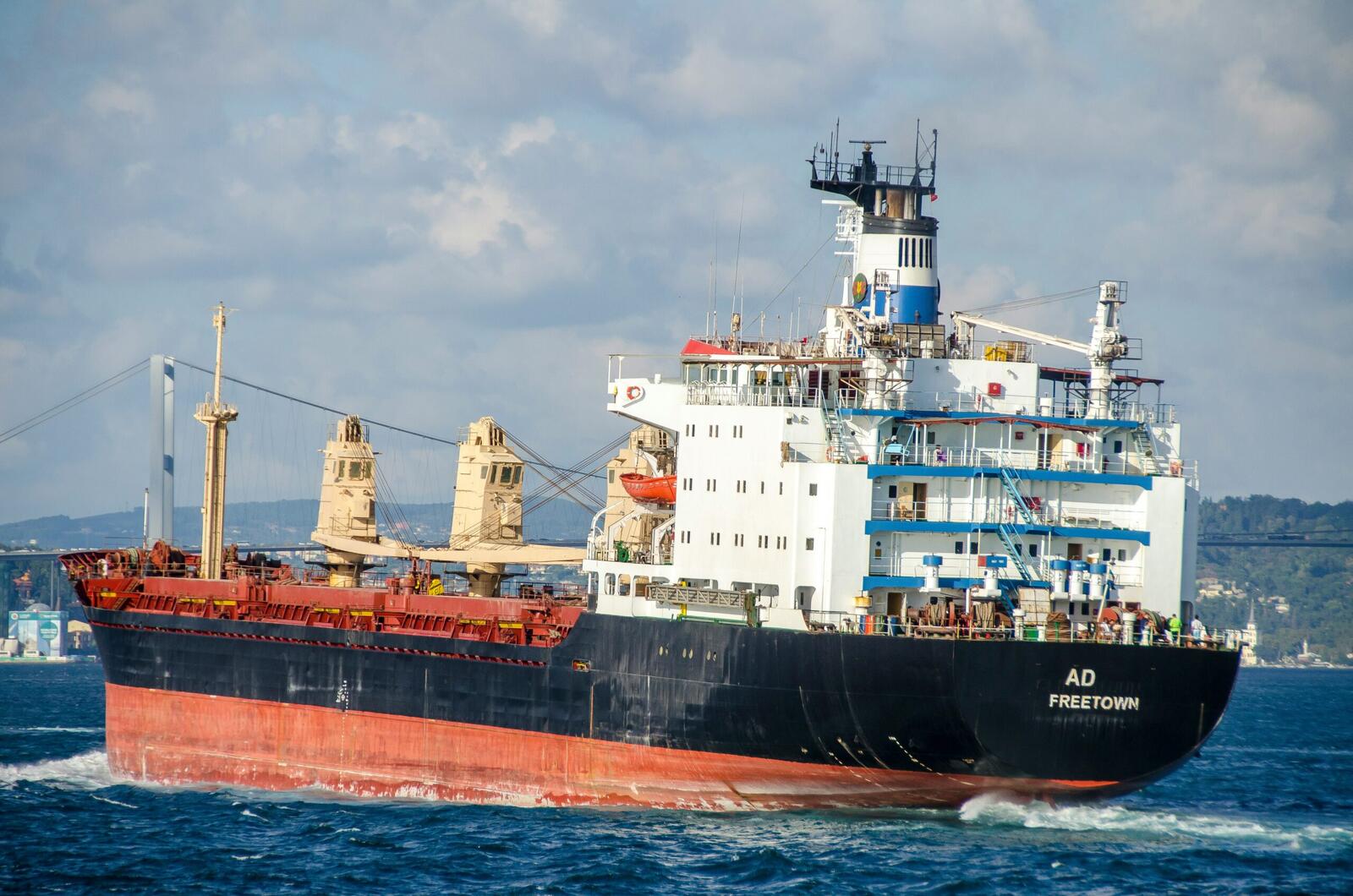
The Strait of Hormuz, between Iran and Oman, carries about 20% of global oil and liquefied natural gas. According to Al Jazeera, at least five tankers have been damaged, two personnel killed and about 150 ships stranded. Iran’s Islamic Revolutionary Guard Corps declared that the strait was “closed” and that any vessel attempting to pass would be set “ablaze”.
For Iran, constricting energy flows raises costs for Western governments whose economies depend on stable oil prices. For the US and Israel, striking Iranian refineries limits Tehran’s revenue. Oil exports finance the Iranian state and its regional allies. Hitting refining capacity therefore hits income.
Brent crude nearly reached $120 a barrel earlier in the week, according to the BBC, before easing after comments from US President Donald Trump. Oil prices were about 20% higher than when the war began, CBS8 reported.
More from News
- What Is The General Data Protection Regulation? The European Law Behind Uber’s €825 Million Fine
- GCSE Results Day: What Is The Most Valuable Thing A 16-Year-Old Can Do With AI Right Now?
- Your “Private” Instagram Account May Not Be As Private As You Think
- YouTube Is Paying Creators Millions To Stay Off Netflix – And Penalising Those Who Don’t
- OpenAI Has Built A Teen Mode For ChatGPT – Will It Actually Protect Young People?
- Airlock Digital Completes Independent IRAP Assessment At The Protected Level
- The Fabled Return Of MySpace: Are We Romanticising Life Before Algorithms?
- Google’s $10M Spirit Airlines Purchase Reveals The Potential Hidden Value Of Bankruptcy
How Big Is The Market Shock, Really?
The reaction falls one piece at a time, like dominoes: refinery is hit. Production pauses. Shipping slows. Prices come up. Consumers pay more at the pump. Inflation pressure builds. Financial markets react.
Al Jazeera reported that Brent crude was up $2.35 to $83.75 a barrel on Thursday morning, with US West Texas Intermediate up $2.42 to $77.08. European diesel futures reached $1,130, their highest level since October 2022. European gas prices have also surged.
Nearly half of the world’s oil reserves are in the Middle East. The region accounts for about 18% of global gas production and about 40% of proven reserves, according to Al Jazeera. In 2024, Asian buyers including China, India, Japan and South Korea accounted for 69% of crude flows through Hormuz.
South Korea, which imports 20% of its gas from the region, said it could run out of LNG in nine days. President Lee Jae Myung announced a 100 trillion won $68.3bn stabilisation fund to cope with soaring energy prices, Al Jazeera reported.
Neil Quilliam of Chatham House told Al Jazeera, “These are substantial losses to global energy markets and cannot be easily replaced.” He added, “The US is mostly insulated from the oil price increase, given that it is now the world’s largest crude exporter; however, it will import higher prices, given that the country imports refined products and that will be felt at pump.”
Strategic petroleum reserves can cushion short disruptions. Production capacity cannot be increased overnight. US LNG plants are running near full capacity, Quilliam said, and most cargoes are tied to long term contracts.
Who Gains From Disruption When It Comes To Oil?
When Gulf supply becomes tricky, alternative exporters gain leverage. The US is the world’s largest oil exporter and LNG producer. QatarEnergy halted LNG production after attacks on facilities in Ras Laffan and Mesaieed, Al Jazeera reported, leaving a gap.
Quilliam said, “The US should be able to capitalise upon the loss of Qatari LNG and absorb market share, though it would take months for companies to increase production to take advantage of conditions and by then the crisis may well be over. In theory, the US can benefit from the current disruptions, but much depends on the longevity of the war.”
Russia may also benefit. Quilliam said, “Russia is certainly benefitting from the loss of Saudi and Iranian crude making it to markets and will increase the flow of crude exports to China and India – at higher prices too.” He added that there would be little appetite to enforce sanctions strictly in a tight market.
How Long Can The Global Economy Absorb This?
Duration will determine the scale of damage. If the Strait of Hormuz reopens quickly and refinery repairs proceed without long outages, markets may stabilise. If shipping remains constrained for weeks, insurance premiums for tankers will increase and supply shortages could deepen.
Oil refineries are at the intersection of geopolitics and daily economic life… In modern conflict, striking refining and export infrastructure can carry as much weight as attacking military installations.
This is based on reporting and information from news outlets Al Jazeera, BBC and CBS8.


