


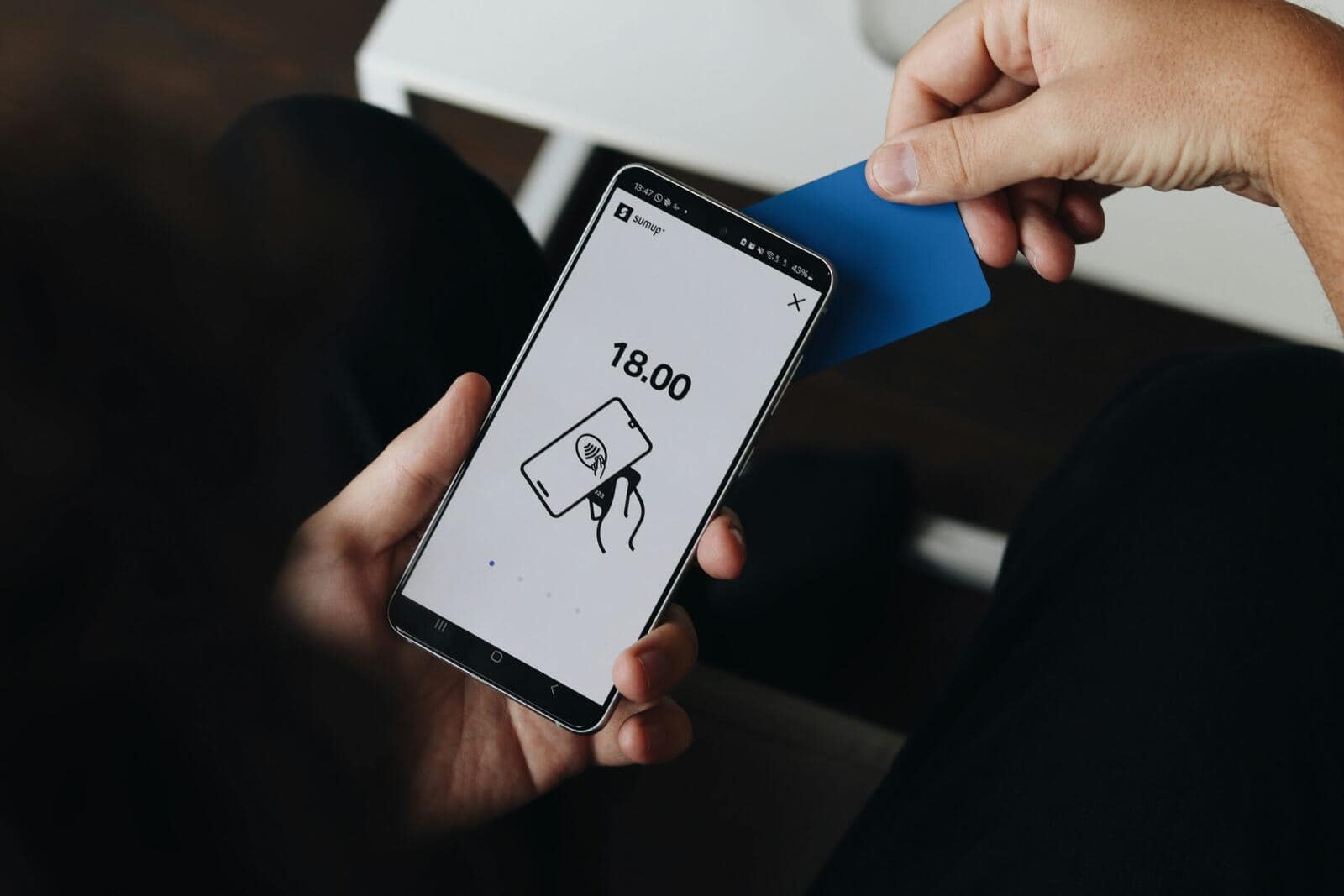
From 19 March 2026, UK debit and credit card holders will notice a subtle but important change. For the first time, they’ll be able to set their own contactless payment limits. No longer capped at the £100 previously enforced by regulators, the power is shifting to cardholders and their banks.
It’s a change that seems small on the surface, but it could have a big impact on how people use contactless payments day to day. Here’s everything you need to know.
What Exactly Is Changing and Why?
Currently, the UK’s £100 contactless limit is a standard across all banks, enforced by regulators with the intention of protecting consumers and reducing fraud. But, starting 19 March, the rules shift: banks and payment providers will be able to let customers choose their own limit, provided that robust fraud monitoring and security measures are in place. This is a pretty big change and it’s not sudden – the wheels have been in motion for quite some time, and finally, it’s all happening.
In theory, this means that your bank could allow you to raise or lower your contactless cap depending on your spending habits or security preferences. If you want to tap for bigger purchases at the coffee shop or grocery store, you’ll be able to. Or, if you prefer to keep it conservative for extra safety, that’s possible too.
The change is part of a wider push toward consumer empowerment in fintech, giving people more control over their finances while encouraging innovation in digital payments.
More from News
- Your Food Delivery Services May Be Impacted By The Global Oil Crisis, Here’s How
- Why Are Anti Drone Patents Up 27% In A Year?
- Boost Named monday.com’s Best Professional Services Partner In EMEA For The Second Consecutive Year
- Tech Experts Discuss The Future Of Agentic AI After Agent Mines Crypto Without Receiving Instructions
- Meta Acquires Moltbook: What Responsibility Do Meta And Regulators Have To Control The Platform?
- Are Space Data Centres The Next Big Thing, Or Is Musk Dreaming Big?
- Why Doesn’t Sundar Pichai Have The Cult Following Of Other Big Tech CEOs, Despite Running A $3 Trillion Company?
- New Reports From Indeed Show That Businesses Simply Do Not Have Time For AI Upskilling
How Does It Work for Consumers?
From 19 March, your bank will be the one to guide you on how to adjust your limit. Typically, this will be done through your mobile banking app or online portal.
Here’s what to expect:
- You should be able to set a higher limit if you want to make larger contactless purchases without entering your PIN.
- You can set a lower limit if you prefer extra security and want to minimise the potential impact of fraud.
- Keep the default limit if you’re happy with £100 – nothing changes unless you take action.
Remember, you’re responsible for setting your limit, but the bank is still required to monitor unusual activity and protect against fraud. Think of it as handing you the keys, while the bank keeps an eye on the dashboard. They’re not stepping away completely, just giving you a little more say in the matter.
Why Is This Change Significant?
Contactless payments have been one of the biggest fintech success stories in the UK, especially since the pandemic accelerated tap-and-go spending. But the standardised £100 cap has felt restrictive for some users and overly cautious for others.
By giving users control, banks can tailor services to individual needs while encouraging wider adoption of digital payments. It also allows consumers to balance convenience with security, a key consideration as fraudsters target digital channels more aggressively than ever.
For tech-savvy users, this change is also a signal of how fintech regulation is evolving – a shift from blanket rules to more flexible, consumer-focused approaches. It’s a small step for payments, but a notable shift for the UK’s digital financial landscape.
What You Should Do Before 19 March
First and foremost, check your bank’s policy. Not all banks will offer the same options or interfaces. Look for announcements or app updates.
Decide what you’re comfortable with. Consider how often you use contactless payments and what balance of convenience versus security works for you.
Finally, update your limit carefully. Once the change takes effect, you may be able to increase your limit immediately, but think about potential fraud risks if your card is lost or stolen.
A Big Move for FinTech
This isn’t just about £100 or £200 – it’s about the broader future of payments in the UK. Regulators are increasingly trusting technology and monitoring systems to protect consumers, rather than relying solely on rigid rules.
For users, it’s a chance to take personalised control of spending, for banks, a chance to innovate and for the fintech ecosystem, a signal that consumer choice is becoming central.
So mark your calendars: 19 March 2026 is when the contactless payment landscape in the UK shifts, and you’ll be in the driver’s seat.