


When running a small business, money arriving on time is what keeps wages and bills paid, which in turn ensures the growth and profitability of the company. But when payments do not arrive on time, this quickly impacts how the business runs.
There’s a difference between failed payments and late payments, even though both belong in the same conversations. They just happen at different points of the sales journey.
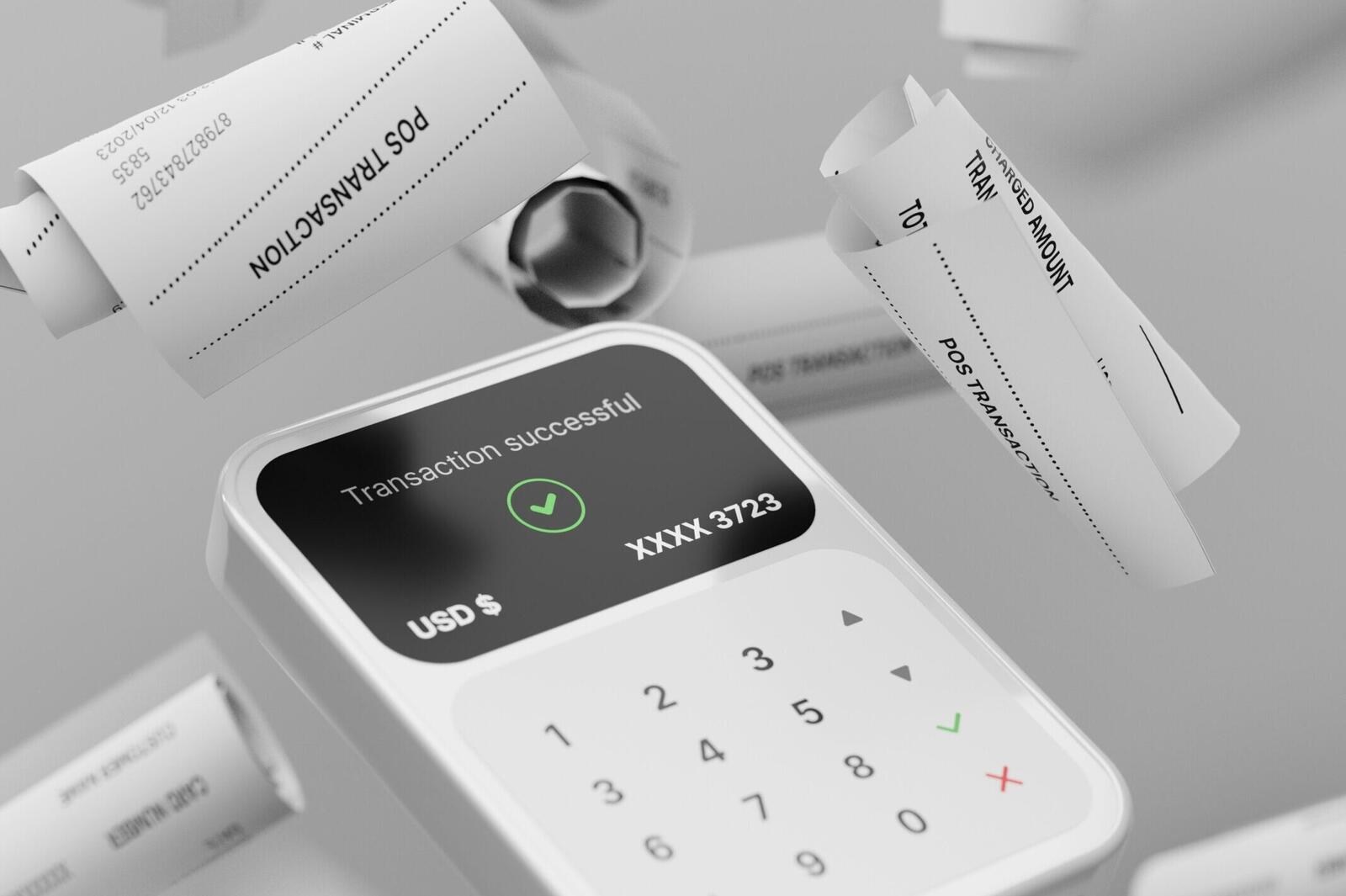
A failed payment happens at the transaction stage, when a card is declined, a direct debit does not go through or a recurring payment is rejected, and the sale never completes. New research by Access PaySuite says 3.4% of transactions fail on average and 55.8% of those failed payments are never recovered. That leaves you without income you expected to receive and, in many cases, without the customer who attempted to pay.
A late payment takes place after you have delivered goods or services and issued an invoice, but your customer pays after the agreed date. The sale exists, the revenue is recorded, but the cash does not arrive when you planned for it. The UK Government says late payments cost the UK economy £11 billion every year and reports that 38 businesses close every single day because they are not paid on time, which gives you an idea of how damaging delays can become when they repeat month after month.
How Much Do Failed Payments Cost Your Business?
Access PaySuite’s research looks into the financial consequences of payment failure across UK SMEs. The average annual revenue loss connected to payment related issues comes to £159,500 per business, and almost one in 10 SMEs lose more than £1 million each year due to payment related problems. Nearly 50% of SMEs experience checkout abandonment, with an average rate of 7.8%, so customers begin the payment process and then drop out before completing it.
Jon Reynolds, Head of Product at Access PaySuite, said: “Payment failures are often treated as isolated incidents, but at scale they represent a sustained revenue drain. When more than half of failed transactions are never recovered, businesses are effectively absorbing avoidable losses.”
“The real challenge for many payments teams is visibility. Without a consolidated view across authorisation rates, decline codes, recurring billing performance and checkout behaviour, it’s difficult to optimise payment flows or improve recovery rates.”
More from Business
- Five Themes To Watch At Singapore FinTech Festival 2026
- How Is The UAE Attracting More Businesses?
- Why Are Brands Turning To Pop-Up Stores Instead of Permanent Shops?
- How AI Video Indexing Is Reshaping Influencer Marketing And Creator Content Strategy
- What Is The UK Doing To Attract More Entrepreneurs?
- Is Singapore’s Small Market Actually Its Biggest Strategic Advantage?
- What Is The US Doing To Attract Entrepreneurs?
- How Have SHEIN And Temu Gamified Online Shopping?
In practical terms, your finance team may spend hours every week trying to recover transactions that should have gone through first time. The survey found that over 70% of businesses spend between five and 20 hours per week managing failed payments, retries and related customer queries, and fewer than four in ten report full visibility into the broader revenue impact of transaction failure and churn.
Access PaySuite has launched a unified AI payments platform that allows teams to interrogate payment data using natural language instead of using spreadsheets, and the research shows that 95% of UK SMEs are evaluating or planning AI driven tools to improve payment performance and cut revenue leakage.
How Do Late Payments Affect Your Day To Day Operations?
Late payments create a different kind of burden on the business because the money is owed to you but arrives long after you expected it, which disrupts your cashflow planning and forces you to spend time chasing debts. The Department for Business and Trade announced on 24 March 2026 the largest set of reforms on late payments in over 25 years, including a new 60 day cap on payment terms for large firms paying smaller suppliers and mandatory interest on late payments set at 8% above the Bank of England base rate.
UK Business Secretary Peter Kyle said, “Far too many businesses are forced to shut down because they have not been paid – that is simply unacceptable. We are unveiling the strongest, most robust changes to payment laws in over a generation – laws that will transform the fortunes of small businesses for years to come and make their day to day lives much easier.”
Tina McKenzie, FSB Policy Chair, said, “Late payments are a blight on our economy, so FSB is pleased to have worked in partnership with the Government to deliver the toughest legislation in the G7. The new laws will finally bring a stop to big businesses using their small suppliers as sources of free credit.”
Blair McDougall, Minister for Small Business and Economic Transformation, said, “I know first-hand how difficult late payments can be, forcing you to decide if you can afford to keep a business running, pay employees or even buy Christmas presents for your children.”
Emma Jones CBE, Small Business Commissioner, added, “We are on a mission to make life easier for small firms by getting money moving faster through the economy by tackling late payments.”
So, in short, one of the failures drains revenue at the checkout and the other delays revenue you have already earned. Both really need time, oversight and better systems in place for your business to grow with confidence.


