

Khaby Lame built his name without even saying a word in his videos. The Senegalese born Italian creator became the most followed person on TikTok, with more than 160 million followers. His silent reaction videos, where he mocks overcomplicated life hacks with a shrug and an open handed gesture, turned him into a global star and he even signed brand deals with Hugo Boss, Airbnb and Visa… He even attended the Met Gala.
In January, he signed a deal with a Hong Kong based company that allowed it to use AI to create a virtual avatar of him.
Vanity Fair wrote a brilliant article titled “Mega Influencers Are Replacing Themselves With AI Clones and perfectly” and it looks at this in detail.
According to Vanity Fair, he sold his “biometric data” as part of a transaction reportedly worth $975 million in stock. The company, Rich Sparkle Holdings, said it believed Lame’s AI avatar could generate over $4 billion in annual product sales.
The idea was simple: his digital twin would sell products and fulfil brand deals on his behalf. An AI version of Khaby could appear in adverts, respond to fans and create content without him having to film each clip. Four months later, Rich Sparkle Holdings had seen its shares fall more than 90% from their January high. The deal caught the attention of the creator economy, even as the company’s valuation went down.
Eric Wei, co-founder of Karat, told Vanity Fair that Lame made sense as an AI candidate. “Khaby is the perfect example of a creator who can do an AI deal, because none of us know anything about him as a person,” he said. “He doesn’t even talk in his videos. The key to his success, ironically, makes him very AI-generatable.”
How Many Influencers Are Cloning Themselves?
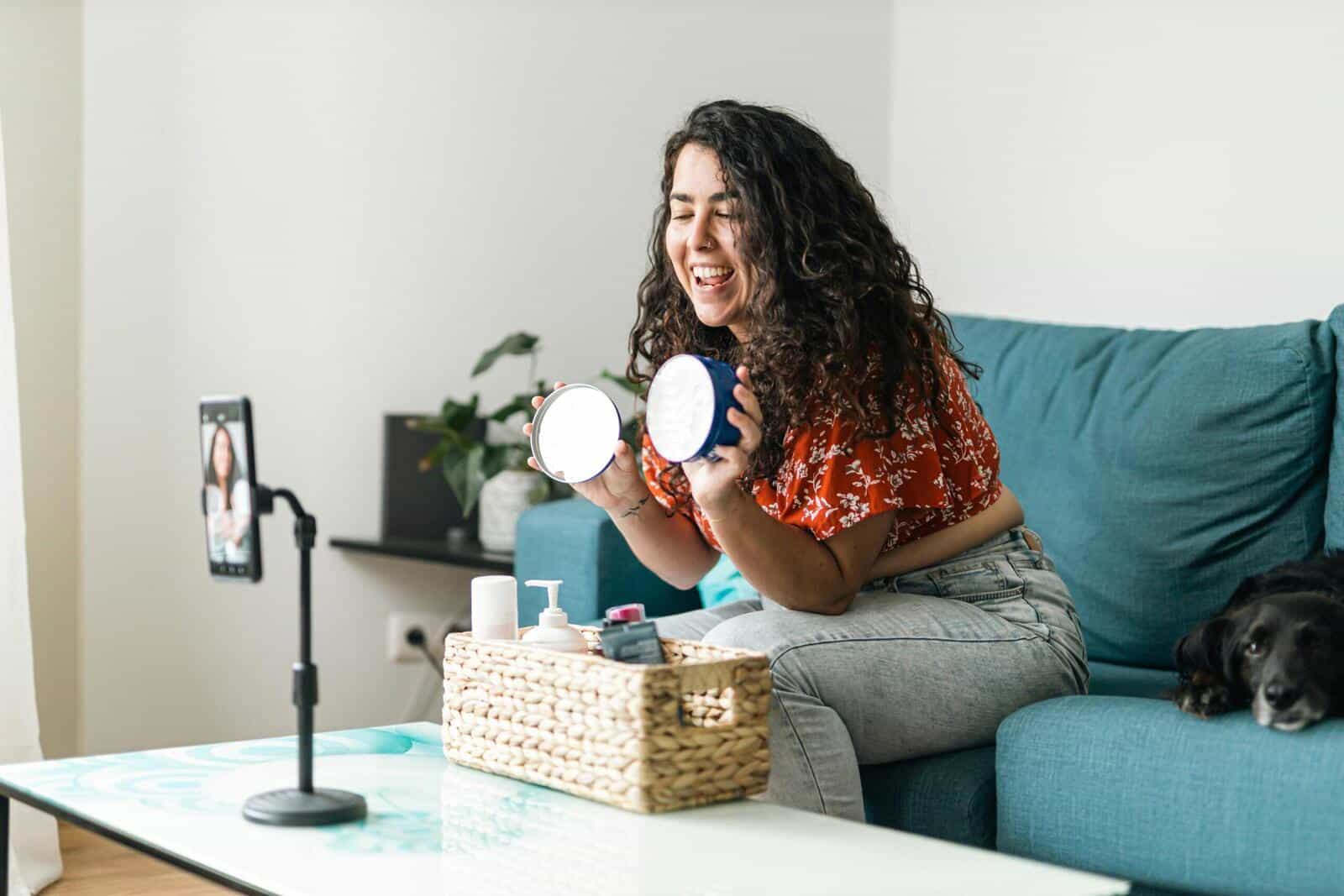
Vanity Fair’s April 2026 feature set out how common this has become. YouTube announced it would allow creators to make AI clones of themselves for YouTube Shorts. TikTok creator Vicky Waldrip released an AI version of herself that fans can talk to. “I think every creator is eventually going to have their own digital version of themselves,” Waldrip told The Hollywood Reporter.
Andy Cohen has an AI chatbot debuting on Peacock’s mobile app. NBCUniversal said users would receive a personalised playlist with “600 billion possible viewing variants.” In a press release, Cohen said it would help fans “connect with the Bravo universe like never before—all guided by me. Well, not exactly me, but a version of me!”
Alternative medicine advocate Deepak Chopra created an AI version of himself for Zoom calls. LinkedIn cofounder Reid Hoffman built an AI twin that can take meetings. Even Meta is building an AI clone of Mark Zuckerberg to “interact with staff,” according to the Financial Times.
The growth of the creator economy explains the commercial appeal. Precedence Research expects it to grow from $314 billion to over $2 trillion in the next decade. The Interactive Advertising Bureau reports that ad spend with content creators is up 26% year over year and growing nearly four times faster than overall media growth. AI avatars promise endless output without the camera time.
Jordi van den Bussche, known as Kwebbelkop, replaced himself with AI in 2023 after burning out. “The word ‘authenticity’ is often misused,” he said in a video. “Everyone says YouTube is all about authenticity, and they assume that it has to be the real ‘you.’ But authenticity can come from a lot of different areas. It can come from a source of truth and your feelings and sharing those feelings…but a lot of people pretty much said Jordy, ‘We want the real you.’” He later returned to more human led content.
Are Parasocial Relationships Part Of The Reason?
The influencer economy grew on intimacy where vloggers (and bloggers), YouTubers and TikTokers built audiences by speaking directly to followers and sharing personal details. Fans form parasocial bonds, feeling close to someone they have never met.
Vanity Fair brought up the point that many influencers position themselves against traditional media and encourage “deep parasocial bonds.” Over time, that bond can make a creator feel less like a private individual and more like a character who belongs to the audience. When millions of people expect daily updates and constant availability, the person behind the account can start to feel secondary to the persona.
That dynamic may explain why AI twins appeal to certain creators. If your public identity already functions like a product, turning it into code can feel like an extension of what is already happening. To add to what Wei told Vanity Fair on how Lame works as an AI case because he barely shares his personal life with audiences – that all makes his format recognisable and repeatable.
Jordi van den Bussche offered a related view when he replaced himself with AI. “The word ‘authenticity’ is often misused,” he said. “Everyone says YouTube is all about authenticity, and they assume that it has to be the real ‘you.’ But authenticity can come from a lot of different areas.” His comment says it all. If audiences already treat creators as formats and not as full people, an AI version may not feel like a dramatic change for them, sadly.
What Exactly Are Creators Doing This For?
Money is one reason – when you look at how an AI avatar can produce branded content at scale, the appeal for influencers who do that manually might make sense for them. Alex Shannon, head of strategic development at CAA, said, “Instead of five service days in person, It’s three service days, [plus] the right to digital assets to do post production fixes, or [for] their avatar to do things around the edges.”
Control is another factor as Shannon said CAA’s Vault stores “terabytes of data for every single client that comes through our doors.” She added, “I don’t think the market dollars have been determined yet. It’s early days, and the business models are being formed in real time. Frankly, I think it’s going to come down to what consumers want.”
There are risks, for example, Caryn Marjorie signed a deal with a startup called Forever Voices in 2023. Fans used her AI clone for sexual conversations. “I think one of the biggest pitfalls is people not realising that once you give up your likeness, there’s only a certain level of control you can have after it’s been released,” she told Vanity Fair. “These companies can’t always fully ensure that these twin personas are regulated, or that they stay professional, or that they stay on brand.”
Robert Freund, a California attorney, said, “There are significant risks for creators of all sizes associated with signing away the rights to their likenesses without fully understanding the terms, and you can very quickly inadvertently lose control of your identity that way.”
What Does Mark Zuckerberg Want?
According to The Financial Times, Mark Zuckerberg is developing an AI clone of himself trained on his mannerisms and conversation style. The Financial Times reported that the bot could interact with Meta employees. Meta launched AI Studio in 2024, allowing Instagram creators to build AI versions of themselves that interact with fans through direct messages.
Meta has also built AI chatbots based on celebrities and is working on tools to generate video versions of influencers. The company is reportedly developing AI powered bot profiles that simulate conversation on Facebook and Instagram. This work connects to its pursuit of what it calls “superintelligence” and digital systems that can replicate the human brain.
Zuckerberg’s own AI clone has been trained to track his daily processes and responses to replicate his way of thinking. The question is: do people want to engage with a bot that sounds like a person and not a person themselves?