


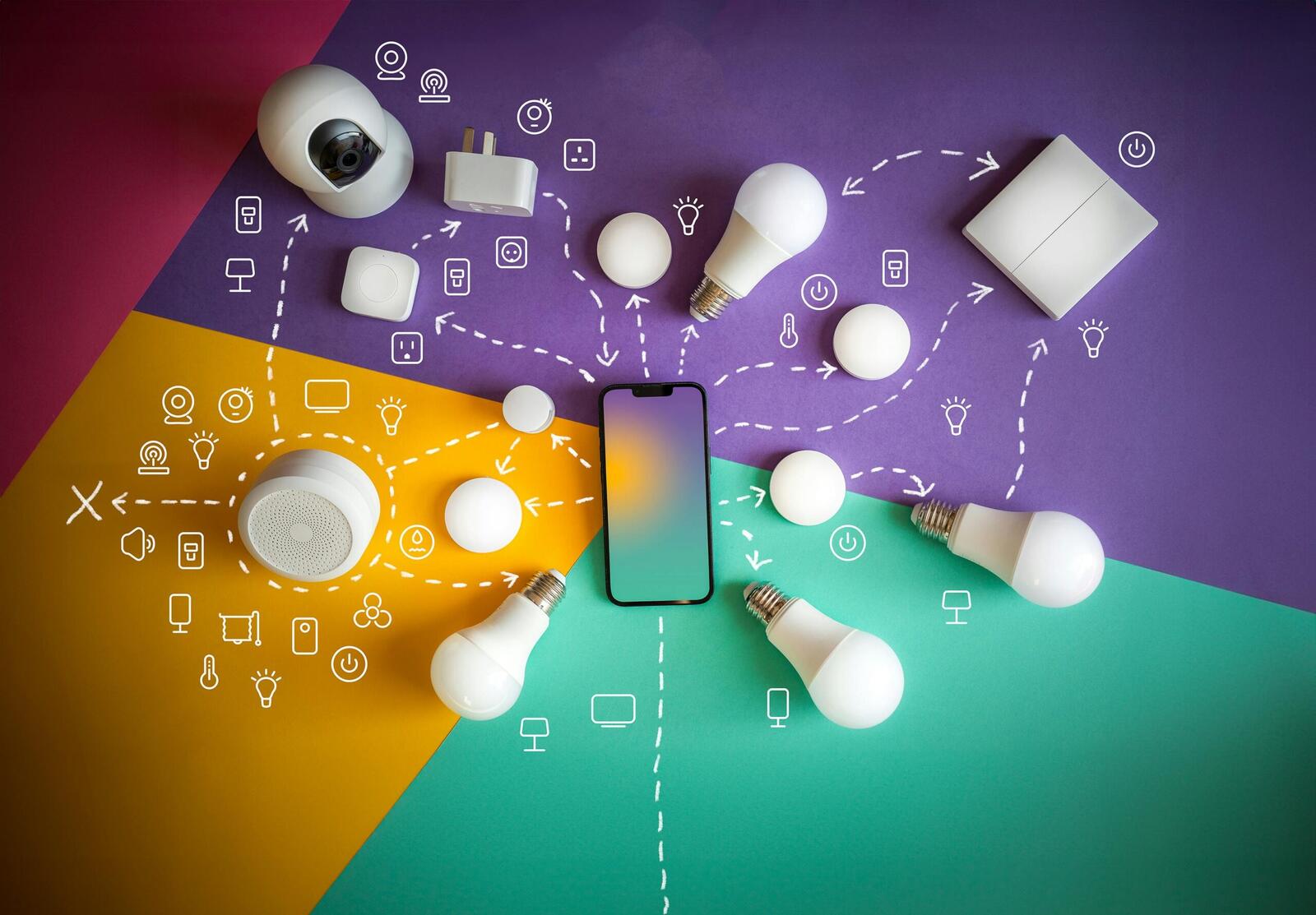
IoT (Internet of Things) is a big part of why Singapore is one of the most advanced digital countries in the world. IoT links things like machines, cars and sensors to the internet so they can gather and share information. This helps cities and businesses make better choices, save money and work more efficiently.
The IoT startups in Singapore are at the forefront of making the world smarter and more connected. They are changing industries and making life better by putting together devices, data and intelligence. These new companies will be very important as IoT grows, not just in Singapore but all over the world.
IoT In Singapore
Smart Nation Singapore is helping the country move toward a future where everything is connected. Singapore is using IoT to make transport, energy use, healthcare and city living better through this project.
Singapore is a top place for IoT startups because the government is very supportive, the internet infrastructure is fast and new technologies are adopted quickly.
What Do IoT Startups Do For Us?
IoT startups make systems that link devices and turn data into useful information. In short, they help:
- Check things in real time, like energy use or traffic.
- See problems coming before they happen
- Make tasks automatic and cut down on manual work
- Make things safer and more efficient
IoT systems can let you know when something is wrong without you having to check machines yourself. This saves time, money and effort.
More from Startups
- Cornell University: Successful Alumni Who Founded Startups
- 7 Startups Crowdfunding w/c 21.09.2026
- Top Aerospace Startups In India
- Founder Of The Week: Aaro Angerpuro
- Top Aerospace Startups In Ireland
- Startup of the Week: Origin
- Massachusetts Institute of Technology (MIT): Successful Alumni Who Founded Startups
- The Startup Myth Nobody Admits: Founders Don’t Move Fast, They Politely Postpone
Top IoT Startups In Singapore
The Internet of Things (IoT) is only getting bigger in Singapore. These startups will keep growing and coming up with new ideas thanks to technologies like 5G, AI and automation.
Ampotech
Ampotech is a top company in the field of IoT solutions that focus on energy. The company makes systems that use sensors and AI to keep an eye on how much electricity is being used in real time. This helps companies figure out exactly how and where they are using energy.
Its platform includes both hardware (like smart meters and sensors) and software dashboards. Companies can keep an eye on how much energy they use in buildings, machines or even whole operations. This helps them find waste, work more efficiently and save money on their electricity bills.
Ampotech also helps companies reach their sustainability goals by lowering their carbon emissions. In some cases, its technology has helped companies save a lot of money on energy and run their operations better overall.
viAct
viAct uses AI and the Internet of Things to improve safety and productivity on construction sites. Construction sites can be dangerous and it’s hard to keep an eye on everything by hand. viAct fixes this by connecting cameras and sensors to AI systems. These systems are able to:
- Find unsafe behaviour
- Find risks in real time
- Tell managers right away
This helps keep accidents from happening in the first place. ViAct not only makes things safer, but it also boosts productivity by keeping track of what workers are doing and finding areas where they aren’t working as efficiently.
Doodle Labs

Doodle Labs makes wireless communication systems for IoT gadgets. These are great for places where regular internet connections don’t work well, like disaster zones, remote areas or industrial sites. Their technology makes:
- Flying robots
- Systems for robotics
- Self-driving cars
Doodle Labs makes sure that these devices can connect to each other and work well, even in tough situations.
Unified Inbox

Unified Inbox makes the Internet of Things easy to use. Their platform lets users control devices with messages (like SMS or chat) instead of complicated apps. For instance:
- You could text to turn off lights.
- Control your smart home devices
- Manage systems for city infrastructure
This method makes IoT easier to use and more accessible, especially for people who aren’t very tech-savvy.
AIDA Technologies

AIDA Technologies is all about making IoT data useful. IoT devices make a lot of data, but that data is only useful if it can be understood. AIDA uses AI to:
- Look at data from devices that are connected
- Guess what will happen in the future
- Help companies make smarter choices
A company could use AIDA to guess when equipment will break down or how many customers will want something based on data that is always up to date.
Pi-xcels

Pi-xcels connects the Internet of Things to retail. It uses sensors and data analysis to keep track of how customers act in real stores. It can show:
- Where customers go in a store
- The products they use
- How long they stay in some places
Retailers use this information to make the layout of their stores better, place products better and make the overall shopping experience better, just like websites do to track how people use them.
Neuron Mobility

Neuron Mobility’s fleet of electric scooters runs on IoT. A central system keeps track of each scooter’s location, use and safety. This makes it possible:
- Tracking scooters in real time
- Better management of the fleet
- Riding is safer now
Cities benefit because they can better handle traffic and offer more environmentally friendly ways to get around.
OverDrive IoT

OverDrive IoT is all about keeping track of vehicles and fleets. Businesses can keep an eye on their vehicles in real time with its platform. Businesses can keep an eye on where vehicles are, watch how drivers act and make delivery routes better.
This means that fuel costs are lower, delivery times are shorter and logistics management is better overall.
Variantz

Variantz is all about the hardware side of the Internet of Things. It makes the physical things, like sensors and smart devices, that make IoT systems work.
These gadgets gather information from the real world and send it to software platforms. IoT systems wouldn’t work well without companies like Variantz.


