


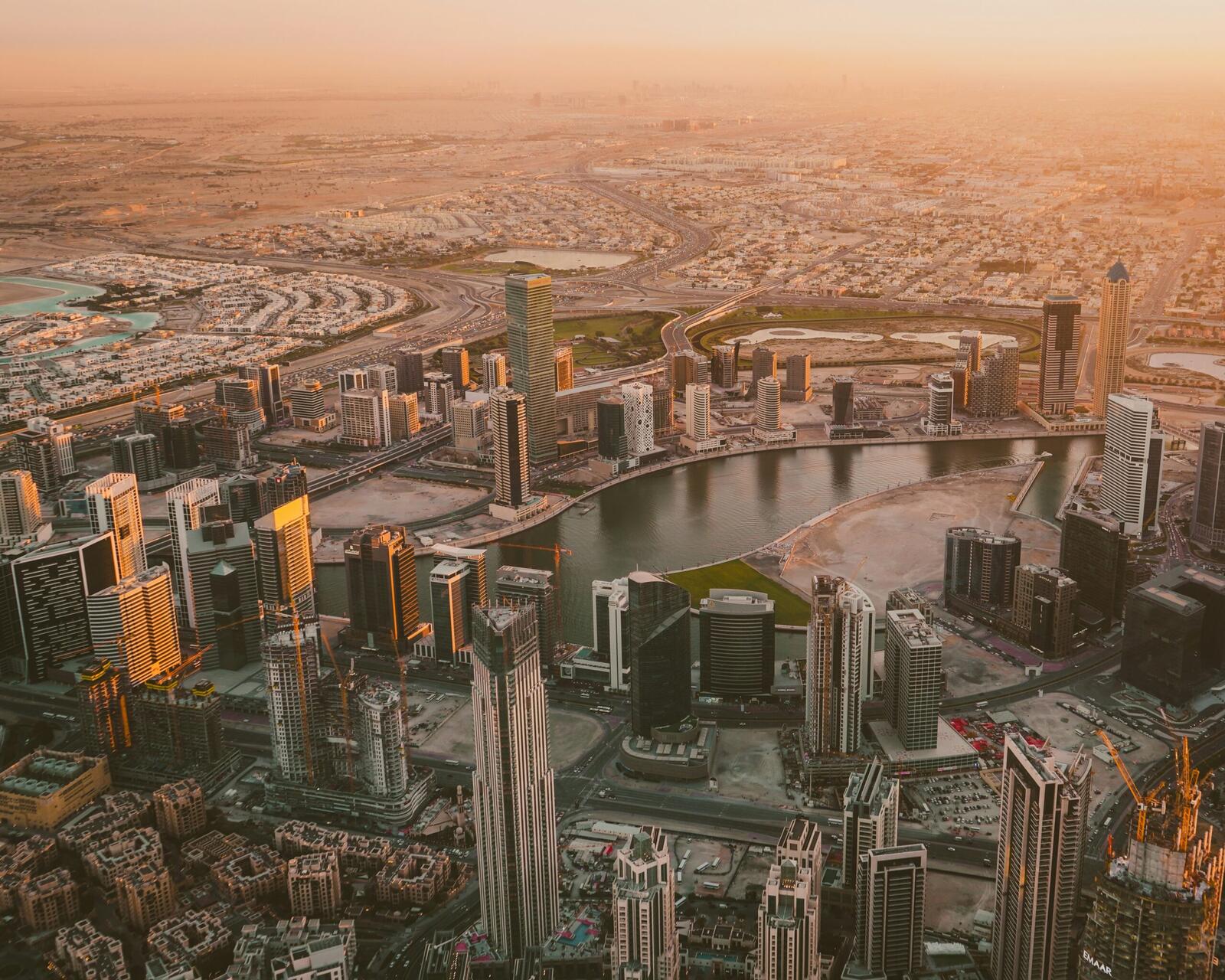
According to Digital Digest and several other sources, startup funding across the Middle East and North Africa has cooled in the first quarter of 2026, with geopolitical uncertainty weighing on investor sentiment – somewhat unsurprisingly, I’d say. Yet, despite the broader regional decline, the UAE continues to stand out as the region’s most resilient startup hub, maintaining strong deal flow and attracting a significant share of available capital.
Recent data reported by Wamda shows that MENA startup funding fell to $941 million in Q1 2026, marking a quarter-on-quarter decline amid heightened geopolitical risk and cautious investor behaviour. While this slowdown reflects broader global funding trends, the regional picture is still very uneven. Some markets have seen sharper pullbacks, while others, most notably the UAE, continue to attract investor attention. How is the UAE managing to keep it’s head above water while the rest of the region is struggling to stay afloat?
The UAE’s performance suggests that, even during periods of uncertainty, capital is consolidating around ecosystems that are still perceived as stable, mature and internationally connected. Clearly, investors feel comfortable with the region and its ability to maintain resilience during a period of global uncertainty.
Regional Funding Slows As Caution Remains An Issue
The drop in MENA startup funding comes as investors adopt a more measured approach in response to geopolitical tensions and macroeconomic uncertainty. Risk appetite appears to be shifting, with fewer mega-rounds and more emphasis on fundamentals like profitability, scalability and sustainable growth.
This shift definitely isn’t unique to MENA, but the region is particularly sensitive to geopolitical developments – especially due to the current proximity issue, but it goes beyond that. When uncertainty increases, investors often prioritise markets with clearer regulatory frameworks, strong infrastructure and access to international capital networks.
As a result, funding is becoming more concentrated, with fewer markets capturing a larger share of investment. This dynamic is helping to reinforce the UAE’s position as a central hub for venture activity in the region, because in many ways, it still manages to offer relatively predictable regulation, reliable infrastructure and a strong international network. It’s not infallible, by any means, but it’s definitely an improvement.
More from Startups
- Columbia University: Successful Alumni That Founded Startups
- What Is Germany Doing To Attract More Startups?
- Are Hiring Challenges Preventing Startups From Reaching Their Full Potential?
- Meet The Startups Crowdfunding w/c 12.10.2026
- The Cold Start Problem: Why Getting A Startup Off The Ground Is So Difficult
- Founder Of The Week: Ryta Zasiekina
- Top Industrial Tech Startups To Watch In 2027
- Startup of the Week: Kord
UAE Continues To Dominate Regional Investment
While overall MENA funding has declined, the UAE has retained its position as one of the region’s top destinations for startup capital. According to analysis highlighted by UAE Startup Story, the country continued to dominate deal activity in early 2026, attracting both local and international investors despite the broader slowdown.
This resilience reflects the UAE’s long-standing strategy of positioning itself as a global startup gateway. From regulatory reforms and free zones to investor-friendly policies and strong infrastructure, the country has spent years building an ecosystem designed to attract founders and capital alike, and beyond that, make them feel secure.
The result is a market that tends to hold up better during periods of volatility, and there’s a lot to be said for that. Investors looking for exposure to the region often see the UAE as a relatively lower-risk entry point, particularly compared to emerging ecosystems that are still developing.
Stability, Infrastructure and Global Connectivity
Part of the UAE’s continued strength lies in its stability and global connectivity. The country’s role as a business and financial hub means startups based there often operate with international ambitions from day one – it’s just part of the game. That global outlook can make them more attractive to investors seeking scalable opportunities.
Also, the UAE benefits from strong government support for entrepreneurship, a growing pool of venture capital firms, and increasing corporate participation in startup funding. Together, these factors create an ecosystem that is less vulnerable to short-term funding swings.
There’s also a structural element to the UAE’s resilience. As capital becomes more selective, investors tend to prioritise ecosystems with proven exits, experienced founders and established venture networks. The UAE now ticks many of those boxes.
Is This a Consolidation Moment for MENA?
The divergence between regional decline and UAE resilience may also signal a broader consolidation trend within MENA startup funding, and one that we should probably take note of beyond the current geopolitical tensions. Rather than spreading investment evenly across multiple markets, capital may increasingly cluster in a handful of established hubs.
If that pattern continues, the UAE could strengthen its position even more, attracting both startups relocating from other markets and investors seeking a regional base. This could accelerate the country’s evolution from regional leader to global startup gateway.
At the same time, the broader MENA slowdown highlights that the region is still influenced by external conditions. Funding levels may very well fluctuate, but the underlying competition between ecosystems is likely to intensify.
For now, the latest figures seem to suggest that while MENA startup funding may be cooling, the UAE remains firmly in the lead. Indeed, in a more cautious investment environment, resilience and stability appear to matter more than ever, and the UAE is continuing to benefit from both.


