


Every startup story has a beginning, and more often than not, that beginning is seed funding. It’s one of those terms that gets thrown around constantly in the startup world, especially in tech circles, but it can sound a whole lot more complex than it actually is. At its core, seed funding is simply the first official round of money a startup raises to turn an idea into a real business.
But, what actually happens in a seed round is often where the real foundations of a company are built, so it’s worth understanding a little more than just the fact that it’s the first round of investment.
So, What Exactly Is Seed Funding?
Seed funding is the earliest stage of startup investment. It usually comes after an idea has been formed, and sometimes after a very early product or prototype has been built, but before a company has meaningful revenue or scale.
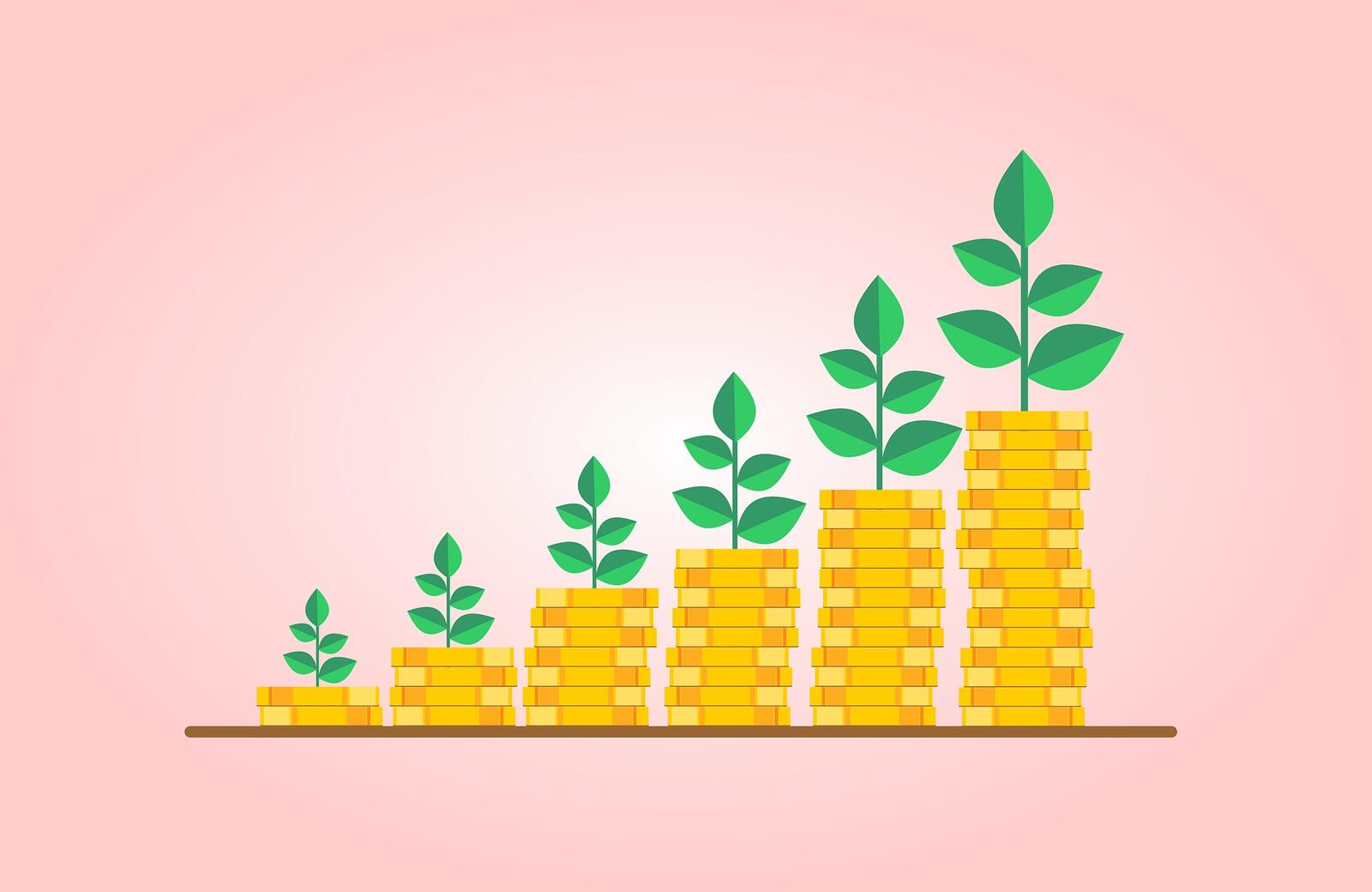
Think of it like planting a seed (hence the name). Founders use this capital to “grow” the business – hiring a small team, building a minimum viable product, testing the market and figuring out whether the idea actually works in the real world.
This funding can come from a range of sources, including angel investors, early-stage venture capital firms, friends and family or even startup accelerators. In many cases, it’s the first time a startup formally gives away equity in exchange for investment.
More from Guides
- Your Startup Just Got Acquired, What Happens To Your Team’s Visas?
- Inside The Technology Tracking Products From Factory To Customer
- Is The Anti-Unicorn (Zebra) Movement Starting to Grow?
- What Is AI Debt?
- The Warning Signs To Look For Before Buying From An Online Store
- What Is Customer Acquisition Cost?
- What Are Knowledge Graphs And Why Are AI Companies Using Them?
- What Is Human-In-The-Loop-AI?
What Is A Seed Round?
A seed round is the actual funding event where this investment is raised. It’s the structured process of selling a percentage of the company to investors in return for capital.
Unlike later funding rounds (like Series A or Series B), seed rounds are less about scaling a proven business and more about proving that the business should exist in the first place.
There’s often a lot more uncertainty at this stage. Investors are backing the team, the vision and the potential, rather than strong revenue metrics or established market dominance. It’s really about getting started than building at this stage.
Because of this, seed rounds can vary massively in size. Some startups raise a few hundred thousand pounds, while others raise several million, depending on the sector, the founders’ track record and the ambition of the company.
What Do Startups Use Seed Funding For?
Seed capital is usually used to bridge the gap between idea and execution – it allows startups to get going and actually start the process of not only becoming a real company, but making their ideas a reality.
For many startups, the money goes into product development first. That might mean building an MVP (minimum viable product), hiring engineers or testing different versions of the product with early users – it all depends on the startup, its founders and their vision.
It’s also commonly used for hiring the first key team members. At this stage, even a small team can have a huge impact, especially if the product is still being shaped.
Marketing and customer validation also play a big role. Startups often use seed funding to understand whether people actually want what they’re building and how they should position it in the market. Basically, seed funding is about reducing uncertainty.
Who Invests In Seed Rounds?
Seed investors are typically taking a higher risk than later-stage investors, because there’s less data to go on. Essentially, nobody knows yet whether the business has more than a good idea and a whole lot of potential.
Angel investors are often the most common participants. These are individuals investing their own money, sometimes with experience in founding or scaling companies themselves.
Early-stage venture capital firms also play a big role, especially those focused specifically on seed or pre-seed investing. In some cases, startup accelerators also provide funding alongside mentorship and access to networks.
What investors are really looking for at this stage isn’t perfection; it’s potential. A strong founding team, a big market opportunity and a clear problem being solved.
Here’s Why Seed Funding Matters So Much
Seed funding is often where startups either find their footing or fail quickly. Without it, most ideas never move beyond the concept stage, but with it, founders get the runway they need to experiment, learn and adapt.
It’s also the point at which a startup starts becoming a “real” company. There’s structure, accountability, investors and often a clear expectation of growth. In many ways, seed funding sets the tone for everything that follows.
The First Step In A Much Bigger Journey
Seed funding is just the beginning of a far longer journey and funding process. If it works, it leads to Series A, Series B and beyond. But even when companies grow into global players, many founders still look back at their seed round as the moment things truly started.
It’s where ideas meet capital and where belief in a vision starts to turn into something tangible. Indeed, for investors, it’s a bet on the future, but for founders, it’s the first real chance to build it.


