


Regulated SaaS businesses across the UK and Europe have just 66 days until key parts of the European Union AI Act come fully into force on 2 August 2026. Three weeks ago, the regulatory picture became even more complicated.
While some deadlines linked to high-risk AI systems have been delayed, transparency and governance obligations applying to SaaS businesses have been brought forward. For many regulated software businesses, that creates a dangerous mix of ambiguity, and growing operational pressure.
According to Scail, this is exactly why leadership teams urgently need greater visibility into what AI is actually doing inside their organisation.
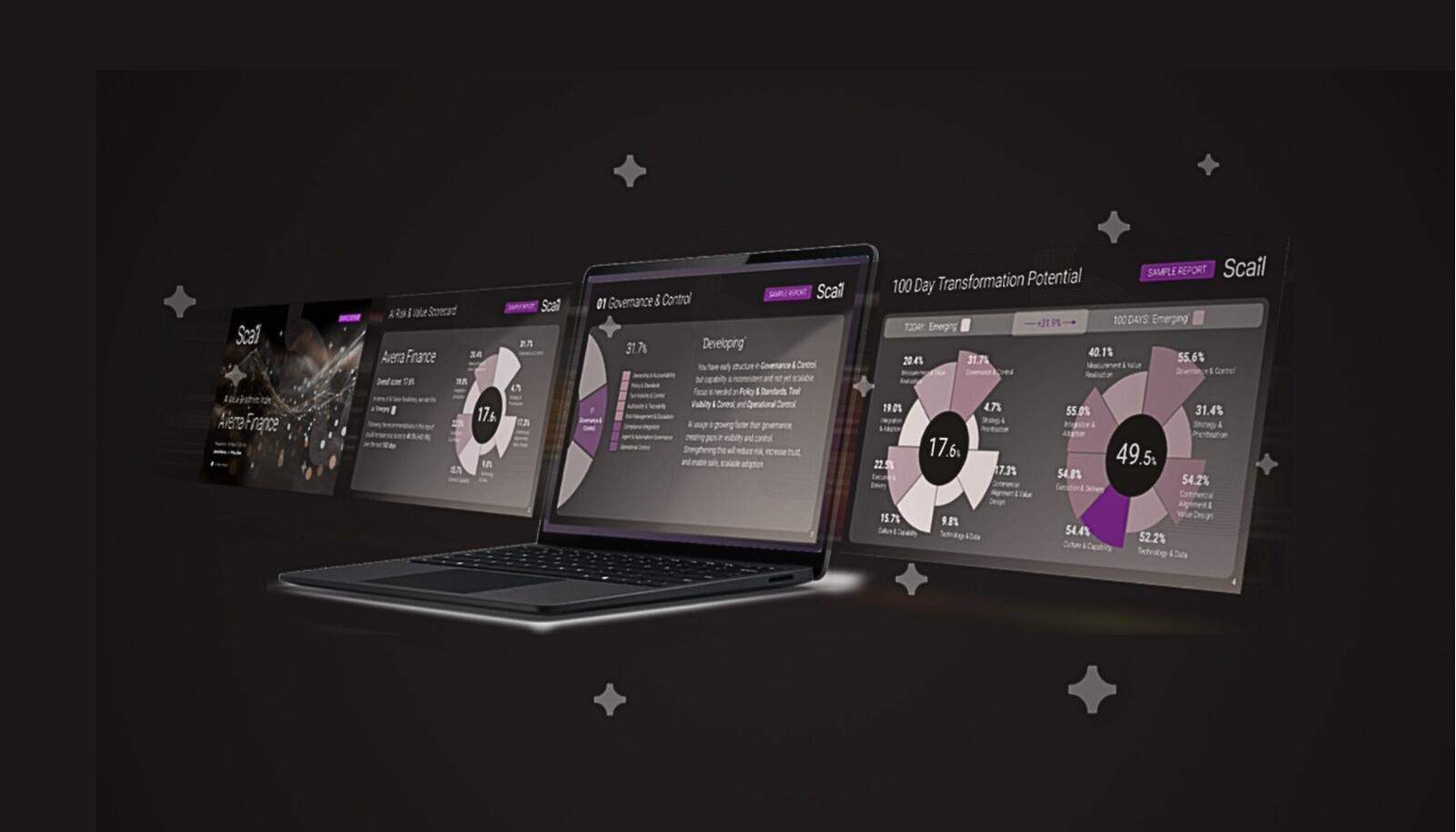
The company has launched its AI Risk & Value Scorecard to help regulated SaaS businesses rapidly assess where AI is increasing risk, where commercial value is being blocked, and which initiatives to stop, fix, or scale.
Here’s a breakdown of the Scorecard, plus how to claim one of five free spots for TechRound readers this June.
The Problem: A Lack of Visibility Around AI Risk And Value Creation
Many regulated SaaS businesses have AI activity spread across products, workflows, and teams. The problem is not whether AI is being used, it’s that leadership teams still can’t confidently explain:
- Which activities are increasing operational risk
- What additional value could be unlocked
- Which AI systems lack proper governance or oversight
- Which initiatives should be stopped, fixed, or scaled
As Alastair Cole, Co-founder and Value Partner at Scail, puts it:
“Most businesses don’t have an AI activity problem – they have a clarity problem. Our scorecard solves that. It has been built to give regulated SaaS leaders a clear, practical and evidence-based way to understand exactly where they are, what matters most, and what to do next.”
In the midst of this uncertainty, shadow AI continues to grow. Microsoft and LinkedIn’s 2024 Work Trend Index found that 78% of AI users are bringing their own AI tools into work environments. According to Scail, risks are now moving faster than governance across many regulated organisations.
Commercial pressure is also intensifying. S&P Global Market Intelligence found that organisations abandon 46% of AI projects between proof of concept and broader adoption. Many businesses are experimenting heavily with AI while still lacking a structured way to measure commercial outcomes or prioritise investment effectively.
How The Scorecard Brings Immediate Clarity
The Scorecard assesses performance across eight areas: governance and risk, strategy and prioritisation, commercial alignment and value design, technology and data, culture and capability, execution and delivery, adoption and integration and measurement and value realisation.
Each maps to behaviours that Scail has observed – from AI usage that isn’t properly documented or auditable, to initiatives lacking clear value hypotheses or a direct link to P&L. The output is a structured breakdown with concrete recommendations on what to stop, fix or scale.
Claim One Of Five Free Scorecards In June
To mark the launch, Scail is offering five TechRound readers access to the full AI Risk & Value Scorecard at no cost. The offer is open to regulated SaaS businesses and runs on a first-come first-served basis through June.
Participating companies will receive a full assessment across every dimension, with structured output and recommendations. It’s designed for leadership teams that want to move beyond experimentation and build a concrete, evidence-based view of where AI is adding value and where it isn’t.
Visit scailwithai.com/techround to register or contact the team directly at [email protected].


