


—TechRound does not recommend or endorse any financial, investment, gambling, trading or other advice, practices, companies or operators. All articles are purely informational—
Artificial intelligence is rapidly reshaping the global technology sector, increasing demand for advanced computing infrastructure, semiconductor manufacturing and high-performance electronic systems. As AI adoption accelerates across cloud computing, automation, cybersecurity and machine learning applications, industrial metals with exceptional conductive properties are becoming increasingly important within global supply chains.
Silver, in particular, plays a critical role in electronic connectivity, circuit efficiency and thermal conductivity, making it highly relevant to emerging AI infrastructure. This growing industrial reliance is also contributing to renewed interest in physical silver investments, especially among UK investors seeking tangible assets connected to long-term technological expansion.
Why AI Hardware Requires Conductive Metals
Artificial intelligence systems rely on an enormous physical infrastructure layer that extends far beyond software development alone. AI processing requires high-performance graphics processing units, advanced semiconductor assemblies, server architecture and complex networking equipment capable of managing vast computational workloads simultaneously.
These systems generate substantial thermal output and require highly efficient conductive materials to maintain operational performance, electrical reliability and energy efficiency at scale. As a result, industrial demand for conductive precious metals has become increasingly important within modern technology manufacturing.
Silver remains one of the most effective conductive metals used within advanced electronics due to its exceptional electrical and thermal conductivity characteristics. It is frequently utilised within switches, contacts, circuit boards and high-performance electrical components that support AI-driven computing environments. This increasing industrial relevance has strengthened broader interest in physical precious metals ownership, particularly among individuals exploring gold bullion in the UK as part of a diversified long-term wealth preservation strategy.
Data Centres And The Rise In Silver Usage
The expansion of artificial intelligence is also driving substantial growth in hyperscale data centres, which require increasingly sophisticated electrical infrastructure to support continuous processing demands. AI-focused facilities consume significant amounts of power while relying on highly efficient electrical systems capable of maintaining stability across servers, cooling equipment and high-speed networking hardware.
As organisations continue investing heavily in AI integration, the construction and expansion of data centres is accelerating across major global markets, increasing the industrial importance of conductive materials used throughout these environments.
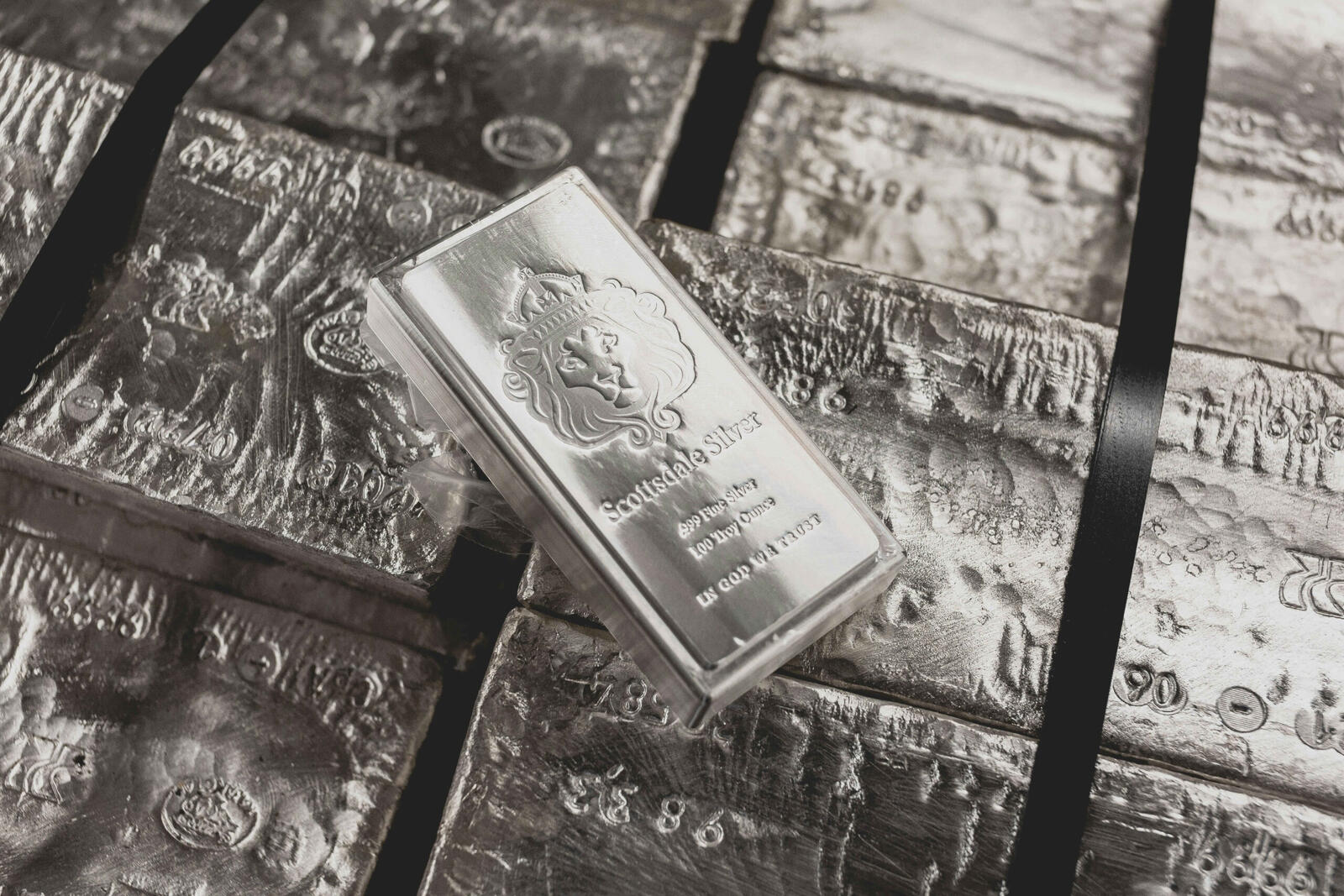
Silver is commonly associated with high-performance electrical applications because of its conductivity, corrosion resistance and long-term reliability under demanding operating conditions. As industrial demand continues evolving alongside AI infrastructure growth, many investors are beginning to assess the broader strategic value of physical silver ownership. This has contributed to growing interest in products such as tax-efficient silver bars, particularly among UK investors seeking tangible assets connected to expanding technological and industrial demand.
How Semiconductor Growth Drives Silver Demand
Semiconductor production sits at the centre of the artificial intelligence economy, supporting everything from machine learning acceleration to cloud-based automation systems. As AI models become increasingly complex, semiconductor manufacturers are under pressure to produce smaller, faster and more power-efficient processing technologies capable of handling larger computational workloads.
This has intensified global investment into chip fabrication facilities, advanced circuitry and precision electronic manufacturing, all of which depend heavily on reliable conductive materials throughout the production process.
Silver continues to hold strategic importance within electronic manufacturing because of its efficiency within conductive applications and high-performance electrical systems. As demand for AI-enabled devices, processors and infrastructure continues expanding, industrial demand for silver is expected to remain closely linked to technological growth.
For investors, this creates an interesting overlap between industrial utility and tangible asset ownership, particularly as physical precious metals continue attracting attention as part of broader portfolio diversification strategies.
Why Physical Silver Appeals To UK Investors
The growing relationship between artificial intelligence infrastructure and industrial silver demand has strengthened interest in physical precious metals among UK investors seeking alternative stores of value. Unlike purely speculative assets, physical silver combines industrial relevance with tangible ownership, creating a unique position within modern portfolio diversification strategies.
As technology sectors continue expanding, some investors view silver as an asset that benefits from both long-term industrial consumption and broader economic uncertainty, particularly during periods of inflationary pressure or market volatility.
Physical silver products also remain attractive because they provide direct ownership independent of digital financial systems or corporate performance. Many investors favour recognised bullion products such as silver bars and sovereign-grade coins due to their liquidity, recognisable specifications and long-term wealth preservation characteristics.
For individuals allocating larger sums into alternative assets, physical precious metals can form part of a broader strategy focused on asset resilience, diversification and exposure to sectors connected to technological expansion.
Supply Constraints and Long-Term Silver Demand
While artificial intelligence infrastructure continues expanding, silver supply faces increasing pressure from multiple industrial sectors simultaneously. In addition to AI-driven electronics and semiconductor manufacturing, silver remains heavily utilised within renewable energy systems, electric vehicles, telecommunications equipment and industrial automation technologies.
This broad industrial dependence creates a unique market dynamic in which rising technological demand can place additional strain on available physical supply, particularly as advanced manufacturing capabilities continue scaling globally.
For long-term investors, this relationship between industrial demand and finite physical supply contributes to silver’s appeal as a tangible asset class. Unlike purely digital investment vehicles, physical silver ownership offers direct exposure to a commodity that remains deeply integrated within modern industrial development.
As AI adoption accelerates across both commercial and consumer markets, silver’s strategic importance within global technology infrastructure may continue to strengthen its relevance within diversified investment portfolios.
As artificial intelligence continues transforming global industries, the infrastructure supporting this technological expansion is increasing demand for advanced conductive materials across data centres, semiconductor manufacturing and high-performance electronics. Silver’s role within these systems highlights its growing industrial relevance beyond traditional precious metals markets, particularly as AI adoption accelerates worldwide.
For UK investors, this combination of tangible asset ownership, industrial utility and long-term technological demand continues to position physical silver as an increasingly strategic component within modern wealth preservation and portfolio diversification strategies.
—TechRound does not recommend or endorse any financial, investment, gambling, trading or other advice, practices, companies or operators. All articles are purely informational—


