


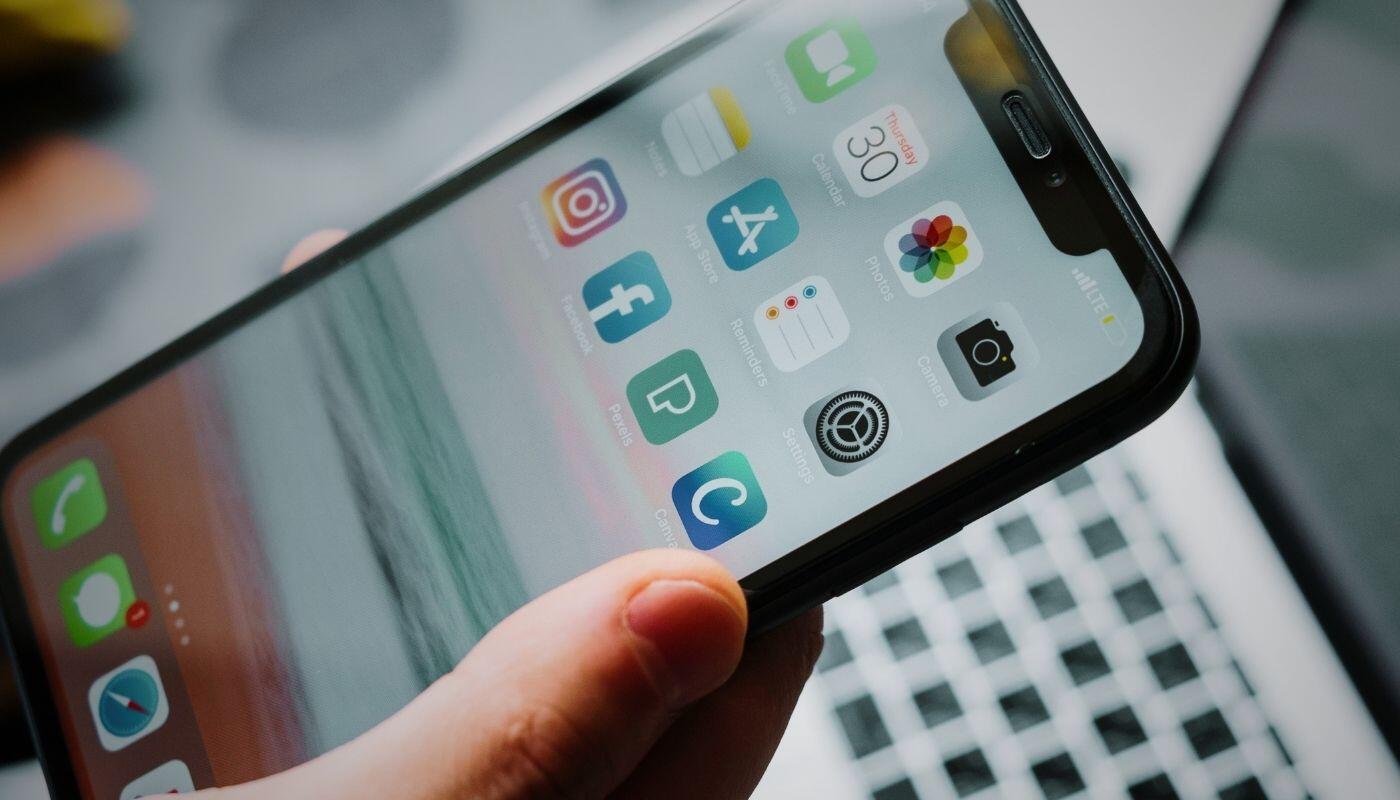
Apple is cleaning house, and your app might be in the crosshairs.
While all eyes were on the main stage at WWDC 2026, Apple updated its App Review Guidelines to grant itself new powers. The company is no longer content with just blocking new submissions in crowded categories; it’s now now targeting live apps that fail to show growth, updates, or customer engagement. The affected categories include wallpaper apps, simple timers, sound effects, dating apps, flashlight apps and fortune-telling apps.
The previous guideline was blunt: “The App Store has enough fart, burp, flashlight, fortune telling, dating, drinking games, and Kama Sutra apps already. We will reject these apps unless they provide a unique, high-quality experience.” That was a rejection policy and the new version adds a removal power – going from blocking new entrants to being able to clear out existing ones.
Apple says developers will receive notice through its existing “App Store Improvements” process before any removal takes place, giving them a chance to update or improve the product. Developers who repeatedly submit low-effort apps could lose access to the Apple Developer Program entirely.
Who This Actually Affects
While it’s easy to dismiss this as a crackdown on ‘fart apps’ and fortune tellers, that’s only half the story.
If your app hasn’t been updated since 2019 and gets twelve downloads a month, Apple’s new guidelines give it grounds to remove it. Dormant apps that clutter search results and mislead users into downloading something abandoned are a genuine problem for app discovery.
The harder question is where it ends: today it’s ‘saturated’ categories, but where does that definition end? By specifically calling out wallpaper apps, Apple has set a precedent that it can cull any software that fails to meet its commercial standards. It’s a move that effectively devalues projects built for reasons other than profit or scale, turning the App Store into a place where only high-growth products are permitted to exist. A small utility app used by five thousand people who rely on it daily isn’t failing – it’s just not viral.
For indie developers and small studios who built something functional and found a modest audience, “do not attract customers” is a slippery standard. Apple hasn’t defined what that threshold looks like in practice, and that ambiguity is the part to watch.
More from News
- Which European Cities Are Backed By The Most Investors?
- Apple Just Added Menopause and Perimenopause Support to the Health App
- Siri AI Just Launched But Europeans Will Be Watching From The Outside
- Minimus Announces General Availability Of Supply Chain Protection And minicli
- The Highest-Paying Jobs You Can Get Without A Degree In 2026
- VivaTech Is Taking Over The Champs-Élysées – And It’s Free For Everyone
- From Workouts To Managing Jetlag: The British Tech Scale-Up That Just Hit One Million Users Globally Appoints New CEO
- Hackers Tricked Instagram’s AI To Leak Your Log In Details – How Can Users Stay Protected?
The Curation Question
Apple frames this as quality control, and the WWDC context reinforces that: the company also announced improved app discovery features, personalised recommendations and better merchandising tools this week. The argument is that a cleaner store is a better store for users and developers alike.
The App Store has 1.8 million apps and finding something useful in a saturated category is difficult, and zombie apps – products that exist but aren’t maintained – make that worse. If Apple’s curation instinct is applied carefully, with clear standards and proper notice periods, it could improve the store for everyone.
But the same power, applied less carefully, is the ability to remove apps that compete with Apple’s own products, apps from developers who push back on guidelines, or apps that serve small audiences Apple would rather clear away. The new guideline doesn’t create that risk – it’s existed implicitly for years. What it does is make the power explicit, and that holds weight if you have an app on the store or are building one.


