


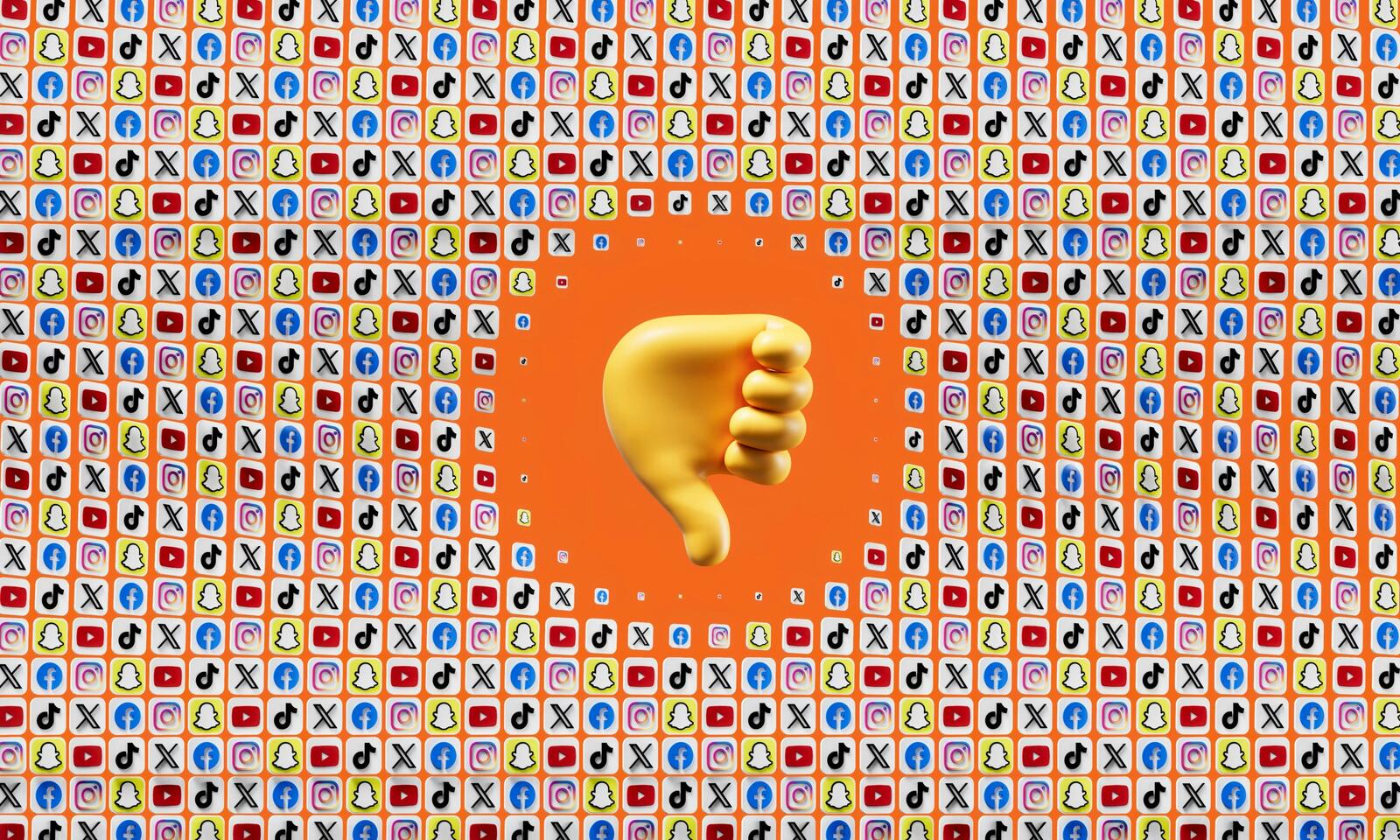
It’s official: the UK government has officially confirmed the rumours about an impending social media crackdown for U16s in the UK, with Prime Minister Keir Starmer announcing that the ban will be implemented by Christmas and in effect by Spring 2027.
So, that’s that! Contentious debates may continue, by about March next year (or close to it), the UK’s youth will be logging out of all social media applications for a good long while – well, until they turn 16 years old. That means no more TikTok dance trends and no more bizarre global consensus by the world’s youth on a random term like “six seven” that somehow manages to make anybody older than about 18 feel like a grandma.
Prime Minister Sir Keir Starmer announced the move this morning, describing it as a “big moment for our country” and positioning the policy as one of the most significant child safety measures introduced in the digital era.
The decision follows a lengthy national consultation that attracted more than 116,000 responses, with overwhelming support from parents. According to government figures, 90% of parents backed a minimum social media age of 16, while 83% said the risks of social media outweigh the benefits for children.
Is This Britain’s Biggest Tech Crackdown Yet?
The policy is expected to target major platforms including TikTok, Instagram, Snapchat, Facebook, X and potentially others that also allow user-generated content and social interaction. The UK is following a path already taken by Australia, but Starmer’s proposals go even further, earning the nickname “Australia Plus” in certain political circles – whether that’s a compliment or an insult, I do not yet know (probably a bit of both?).
But, it’s not just social media in the firing line. The UK government is also considering restrictions on gaming platforms, livestreaming services and certain AI chatbots. Features like messaging strangers, disappearing messages and location sharing could face tighter controls for younger users.
In other words, the government’s message to Big Tech appears to be: “We’re not just banning the apps, we’re looking at the features too.” It’s a huge amount of control for a government to have; there’s absolutely no debating that.
More from News
- Musk Chose Nasdaq Over The NYSE – What Does That Mean For Future IPOs?
- The New IPO Benchmark: What The SpaceX Valuation Tells Us About The Future Of Deep Tech
- What Is Dynamic Pricing And Why Has It Become The World Cup’s Biggest Controversy?
- How Did Cybercriminals Use Fake New York Times Pages To Scam Users?
- Which European Cities Are Backed By The Most Investors?
- Apple Just Added Menopause and Perimenopause Support to the Health App
- Apple Just Started Deleting Apps Nobody Uses – Is Your App At Risk?
- Siri AI Just Launched But Europeans Will Be Watching From The Outside
Are We About To See the Great UK Teen VPN Boom?
Of course, announcing a ban and enforcing one are two very different things, and we’d be fools not to consider this. One of the biggest questions surrounding the policy is how exactly platforms will verify users’ ages. Tech companies are expected to implement stricter age assurance systems, though the details remain unclear. Critics have already pointed out that teenagers have a long and distinguished history of finding workarounds whenever adults tell them they can’t do something online.
Most obviously, history suggests that when restrictions appear, VPN downloads often aren’t far behind.
Even Starmer acknowledged that some young people may attempt to bypass the rules. But the government’s view is that making access harder is still better than maintaining the status quo. A guard rail instead of the green light, in some senses.
Two-Year Countdown for Big Tech
For platforms like TikTok and Instagram, the announcement creates a two-year countdown clock. Now, companies will need to invest heavily in age verification systems, rethink youth engagement strategies and potentially prepare for a significant drop in younger UK users. The move also adds to growing regulatory pressure on social media firms globally, particularly around child safety and addictive design features.
Whether the ban ultimately succeeds remains to be seen. Supporters argue it could improve children’s wellbeing and reduce exposure to harmful content, but plenty of critics warn it may simply push young users towards less regulated corners of the internet – back to the days of kids using online chat rooms and not telling their parents.
At the end of the day, it all remains to be seen, but one thing is certain: by Spring 2027, the relationship between British teenagers and social media is going to look very, very different.
Somewhere out there in a TikTok boardroom, somebody is probably already calculating how many dance challenges won’t be done after Spring next year.


