


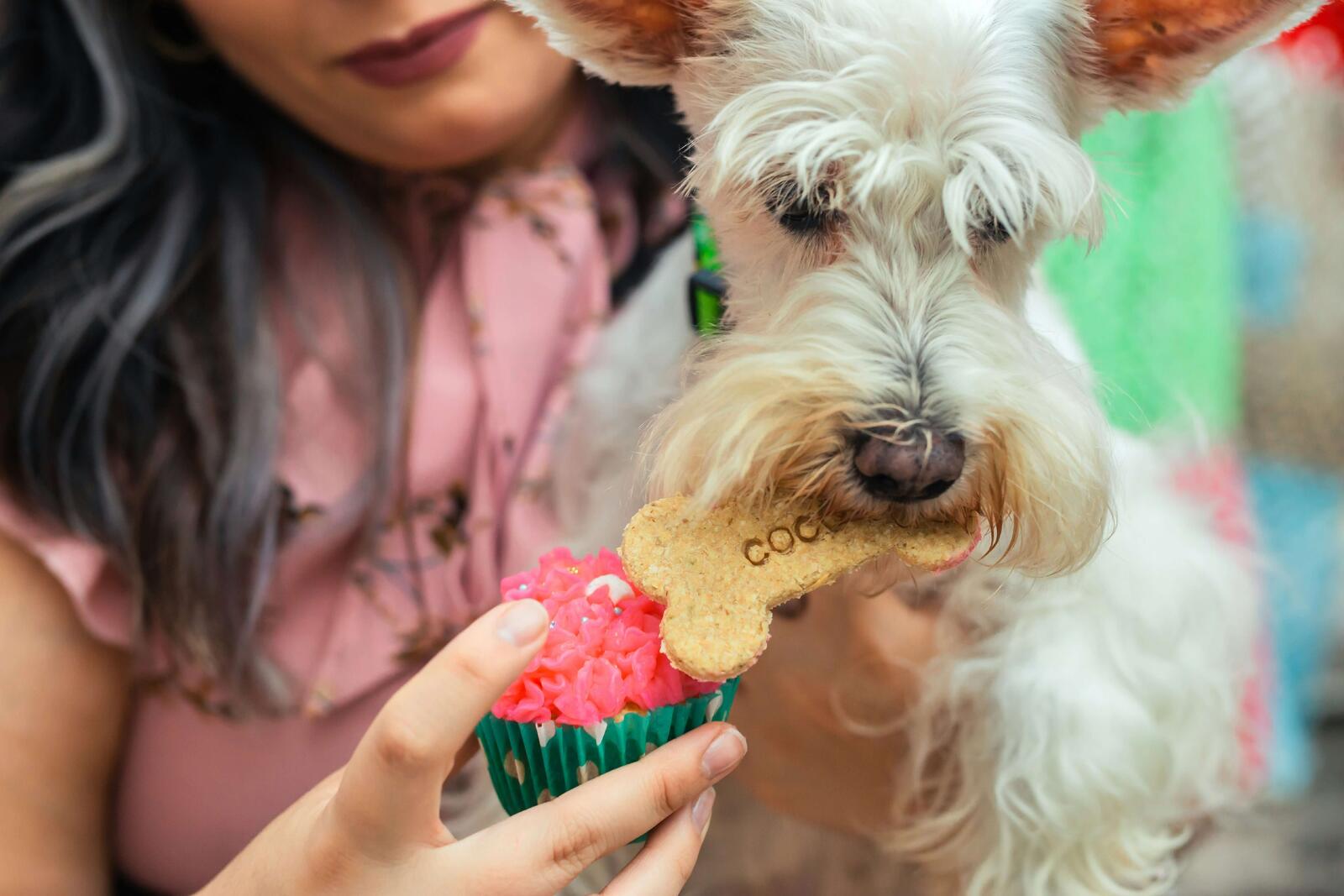
The UK pet food market is quickly becoming one of the most lucrative divisions in the food industry. In the wake of the pandemic pet ownership grew and with it, animal-related spending has outpaced the weakest segments of the economy.
There are opportunities for new brands and entrepreneurs be noticed. If you begin a cat food subscription or sales brand for example, without an idea validation process, you may end up losing a lot of time identifying problems later down the track when you could have done so in the beginning.
Why Your Pet Food Idea Needs Validation
Pet food is a highly regulated product. In the UK, pet food is controlled by the Feeding Stuffs Regulations. You must also make sure that your product’s label follows the UK Let Food Labelling Guidelines. You cannot cut corners with the declaration of your ingredients, claims for your products, or your labelling. Although there is a well-defined path for compliance, it is neither quick nor inexpensive.
Manufacturing Minimums Are Real
It’s a given in the industry that your first production run will be more expensive than you anticipate. For wet pet food, most contract manufacturers require a minimum of a few thousand units for each SKU. Freeze-dried food has lower minimums, but a higher cost per unit. Manufacturing three flavours, without first testing to see which one customers want (or perhaps, which one customers will buy), will likely result in a large amount of obsolete stock.
Focus On The Pet Food Owner Not The Pet
Purchases are made by people, not pets. You can almost guarantee that the most successful pet food brands cater to a very specific owner problem.
This means that you might consider offering: a pet food line that contains a single protein source for the owner whose dog is allergic to everything and is unable to find a single reliable protein source, a food line for cats whose owners are uncomfortable with the ingredients of every food line sold at the store, or a pet food line that is home-cooked quality, but requires no time commitment on the part of the owner.
More from Guides
- What Is EES And How Does It Work?
- What Does It Mean To “Cross The Chasm”?
- VoIP Playing Up? Here’s A VoIP Troubleshooting Cheat Sheet
- Bacteria, Billions and Buzzwords: Is the Gut Microbiome Startup Boom Backed by Science?
- What Is Dogfooding For Startups?
- The Growing Popularity of Cold Therapy Technology: The Startups Racing to Cash In
- The Race to Build the Ultimate Menopause Health Platform
- What Is Export Insurance And How Does It Work?
Specify The Animal
‘Dog food’ can never be a finished product. In order to begin thinking about a finished product, you need to provide more information than that. Products for an animal food line can be defined by their species, size, age and health. From there, you can begin to determine whether there is an actual demand for your product. If you are positioning your product in a vague manner, you are likely trying to validate too many things simultaneously, possibly weakening your product positioning.
Differentiate Your Product Early
Crafting your differentiation hypothesis means making a strong concise statement as to why your customer will buy your product. This will be different for each product. It might be for a subscription model for protein powder. It might be due to a novel protein source. It might be due to a specific health benefit with actual evidence to back it up. It can be many different things, however, no matter what it is, be sure to say it in one single, concise statement.
Talk to Real Pet Owners
Before you attempt to collect data with a survey or get customer feedback with a landing page, spend time conversing with the target customers whom you are focusing on. Doing ten of these types of conversations with your desired pet owner will give you better insights than a hundred surveys. At this phase, you are not trying to prove your hypothesis. Your goal is to see the way these pet owners think, the things they buy, their points of friction and whether or not your product is really offering a solution for them.
Understanding The Willingness To Pay
At some point during the conversations you need to determine the current price of pet food and the price people are willing to pay for a better solution to their problem. This conversation is a bit of a hurdle for many, however, it is very important to have. No matter how amazing of a product you create, a price proposition that is too high is not a sustainable business model.
Create A Landing Page To Drive Traffic
A great tool for validating a product is to create a landing page that describes the product and offers visitors the option to sign up for priority access or make a pre-sale purchase. It is not necessary to have a product to create a landing page. What is needed is a good description of the product benefits, a photo or drawing of the product and a way to collect email addresses or pre-order.
Conduct Low-Budget Paid Meta Ads
Before launching an actual product, you can start a cost-effective ad campaign on Meta or TikTok, creating paid social campaigns aimed at pet owners by interest, behaviour, or demographics. Test your potential messaging and positioning by creating two or more campaigns with different ads and animals (ingredient, health, convenience and sustainability) and determine the engagement, click-through rate and sign-up rate of each of your campaigns.
Consider A Small-scale Crowdfunding Campaign
Running a crowdfunding campaign for your pet food startup on Kickstarter or Indiegogo creates an opportunity to validate that a commercial market exists for your product, since people are literally spending money with the intent to support your startup business idea.
Additionally, you will have created an initial first production run of your supply and an early customer base. The effort involved in running a successful crowdfunding campaign is significant, but the validation signal it produces is among the strongest available- particularly for a product with an emotionally resonant story.
Be Sure To Follow Pet Food Regulations Prior To Launching
In the UK, all pet food must contain a statutory statement, the manufacturer’s name and address, the intended species, the net weight, the minimum durability date, the regulated constituents and the complete list of ingredients. Claims regarding health and nutrition are packaged and presented differently.


