


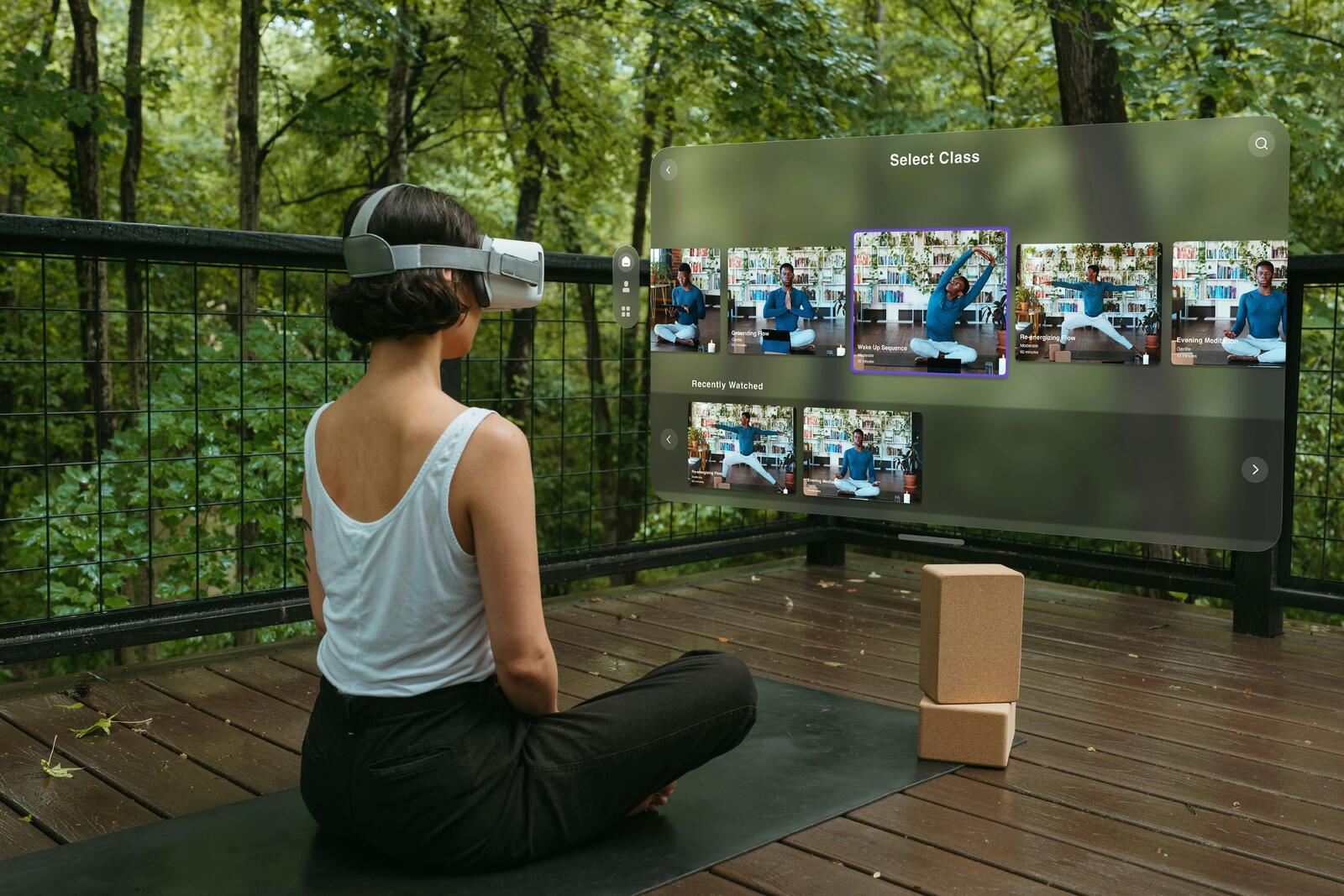
In 2025, the global Virtual Reality fitness market was estimated to be worth between $30 – $50 billion dollars and by the mid 2030’s, it is likely to be estimated to be worth up to 400 billion dollars. Big name companies like Meta, Apple, Sony, Samsung and Nike, are investing a lot of money into the field.
One 2025 study by the University of Victoria found that more people utilising VR fitness programs were exercising for longer periods of time. VR based fitness users actively worked out sessions that were an average of 34% longer and VR fitness users were also 2.2 times more likely to complete weekly physical workout requirements than users of traditional home workout equipment.
The real question is, how viable is the market and how much of an opportunity is there for VC-funded startups that are working on the future of fitness technology?
Why Virtual Fitness is Worth Watching
VR fitness is built to solve the problem of the dropout of users of home fitness programs. According to studies, traditional home workouts suffer from dropout rates of 50% within three months. Repetitive workouts become boring and are a drain on motivation.
However, exercising in VR allows fitness to be gamified and VR fitness studies have uncovered an important phenomenon: users perceive their heart rate and effort to be lower than it is and are likely to work out even harder than in traditional settings.
Can You Actually Become Fitter With VR Fitness?
There is no shortage of virtual fitness games out there and yes, you can actually become fitter through a faster heart rate and all while ‘playing a game’ that might not seem so exhaustive when compared to the gym. Active VR games can create an effective aerobic workout and burn calories on par with biking or light jogging.
These games produce real results and the research backs it up. Active VR workouts consistently produce heart rates in the aerobic zone. Game examples include Beat Saber, Supernatural, Les Mills Body Combat VR and Thrill of the Fight.
More from Guides
- How Big Data Is Changing Women’s Health
- How Much Does Your Phone Really Know About You?
- What Is EES And How Does It Work?
- What Does It Mean To “Cross The Chasm”?
- VoIP Playing Up? Here’s A VoIP Troubleshooting Cheat Sheet
- Bacteria, Billions and Buzzwords: Is the Gut Microbiome Startup Boom Backed by Science?
- What Is Dogfooding For Startups?
- The Growing Popularity of Cold Therapy Technology: The Startups Racing to Cash In
Opportunities to Expand into Mental Well-Being Through VR
VR fitness isn’t just about physical output. Immersive environments have documented effects on stress and mood, exercising in a virtual forest or on a clifftop coastline produces different psychological responses to a gym mirror.
This mental wellness dimension is opening a new product category: VR fitness platforms that blur into mindfulness apps, targeting the significant overlap between corporate wellness programmes and mental health investment.
What Are The Limitations of Virtual Fitness?
Currently the biggest weakness in VR fitness is the lack of options for strength training. The types of movements that build and maintain muscle mass, like squats and deadlifts, can’t be effectively done in VR without some added equipment. One of the few companies that have started to tackle this problem is Black Box VR, which offers gyms combining VR and cable resistance.

Startups Worth Keeping an Eye On in The VR Fitness Sector
There are a handful of innovative startups in the VR fitness industry that are worth watching in 2026 and beyond- from subscription-based fitness tools to interactive challenges that help increase stamina and even strength:
Supernatural

In 2023, Meta completed its acquisition of Supernatural and integrated the VR fitness platform into the expanding Meta Quest ecosystem. The service offers users daily workouts set in immersive real-world locations, enhanced by licensed music and guided instruction.
As a subscription-based platform, Supernatural has consistently demonstrated some of the strongest retention rates in the consumer VR market, highlighting the viability of the VR fitness subscription model. In 2026, Meta announced that Supernatural would be spun off into a new independent company, Supernatural Health, led by the platform’s original founders. Supernatural Health is expected to relaunch in autumn 2026 with higher subscription pricing, reflecting a renewed focus on growing the platform as a standalone fitness business.
Black Box VR

Purpose-built VR gyms seem to be the focus of Black Box VR. Combining resistance machines and immersive environments is an interesting approach, especially with the existing VR home ecosystems providing frictionless workouts. Black Box VR’s franchise model suggests that they believe the hybrid VR/gym model will bring an edge over the competition when compared to only a software solution.
HOLOFIT

HOLOFIT is a virtual reality fitness platform developed by Holodia that transforms cardio workouts into immersive experiences. Using a VR headset, users can row, cycle, run, or perform bodyweight exercises while exploring virtual worlds and completing interactive challenges.
The platform connects with rowing machines, exercise bikes and ellipticals, making workouts more engaging and motivating through gamification, virtual coaching and online competitions.


