


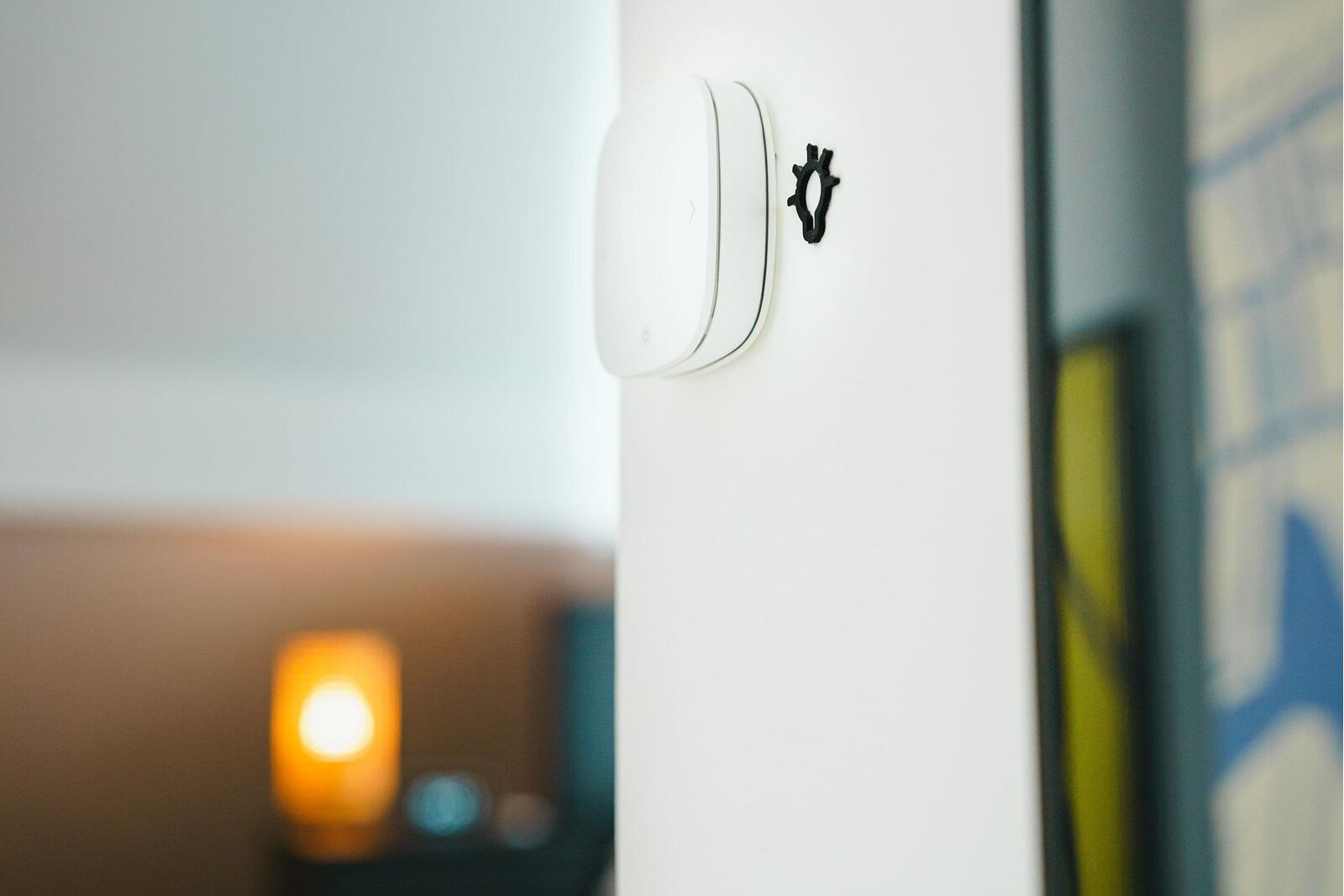
The Netherlands has emerged as one of Europe’s hottest hubs for Internet of Things (IoT) innovation, driven by a world-class digital infrastructure, strong engineering expertise and thriving technology ecosystem. Dutch businesses, universities and startups are using IoT to build smarter solutions in sectors like agriculture, manufacturing, logistics, energy and healthcare.
As the country continues to embrace digital transformation, IoT is becoming more significant in assisting organisations to gather real-time data, automate processes and make quicker, more informed decisions.
The Importance Of IoT
The Internet of Things (Internet of Things) is a network of interconnected devices that communicate with each other through the Internet, collecting and sharing data without the need for constant human intervention. From factory machinery and agricultural equipment to smart energy grids and environmental sensors, IoT allows organisations to continuously monitor operations and respond rapidly to changing conditions.
IoT has become a must-have as businesses generate ever-greater volumes of data to increase efficiency, lower operational costs, improve safety and drive innovation. It is the bedrock of emerging technologies like artificial intelligence, predictive analytics and automation and a critical component of the modern digital economy.
How IoT Is Helping Businesses And Society
IoT is changing the way people live and work by making systems smarter, efficient and sustainable. In farming, linked sensors enable farmers to keep an eye on their crops, soil and irrigation systems, resulting in better yields and saving water.
For manufacturers, the IoT provides predictive maintenance, flagging equipment problems before costly breakdowns occur. Connected devices allow energy providers to monitor infrastructure and optimise the distribution of electricity.
Logistics companies track shipments in real time and increase the efficiency of supply chains. IoT makes life easier through smart homes, connected healthcare devices, intelligent transportation systems and environmental monitoring. IoT is enabling automation and providing real-time insights across myriad industries, helping businesses boost productivity, cut waste, reduce emissions and deliver better experiences for customers and communities.
More from Startups
- Top Industrial Tech Startups To Watch In 2027
- Startup of the Week: Kord
- How Do Startup Valuations Work When A Company Isn’t Profitable?
- These Aerospace Startups Are Out Of This World, But Made In Japan
- 5 Startups Crowdfunding w/c 05.10.2026
- Founder Of The Week: Danny Jenkins
- Abacus AI Expands Its AI Platform With Smaug, AI Agent And More
- Top 10 Agritech Startups In South Africa To Watch In 2027
The Best IoT Startups In The Netherlands
Innovation has placed the Netherlands at the forefront of the global development of connected technologies that increase productivity and help achieve sustainability goals.
Sensorfact
Sensorfact is one of the fastest growing Industrial IoT start-ups in the Netherlands. The company helps factories cut their electricity use with wireless sensors placed on factory equipment. These sensors gather machine data in real time, enabling companies to detect energy waste, unplanned downtime and inefficiencies in production processes.
The software blends the IoT hardware with artificial intelligence to automatically suggest actions to save energy. Sensorfact is an important player in the industrial sustainability movement in Europe, as the platform enables manufacturers to substantially reduce their operating costs while cutting their carbon emissions.
30MHz
30MHz has created one of Europe’s leading IoT platforms for agriculture and horticulture. Farmers and greenhouse operators connect weather stations, soil sensors, irrigation systems and climate sensors into a single dashboard to see real-time conditions of their crops.
Instead of manual checks, growers get real-time information on temperature, humidity, soil moisture and plant health. This allows them to optimise irrigation, increase yields, reduce water consumption and respond quickly to changing environmental conditions. The platform is already in widespread use in the greenhouse industry in Europe.
Source.ag

Source.ag is revolutionising greenhouse farming with IoT sensors and artificial intelligence. The company’s software constantly collects data from greenhouse equipment, climate controls, lighting systems, irrigation systems and crop sensors.
Based on this information, the platform forecasts crop growth, recommends adjustments to greenhouse conditions and supports growers in optimising production while reducing energy and water consumption. As demand for food grows, Source.ag’s technology makes food production more sustainable and efficient.
Overstory

Overstory is specialised in monitoring vegetation around critical infrastructure such as power lines, railways and roads. The company uses satellite imagery, sensor data and machine learning to identify trees and other vegetation that could threaten infrastructure.
Utilities leverage the platform for proactive maintenance planning to prevent outages, improving grid reliability and lowering inspection expenses. Much of its data is satellite imagery, but IoT sensors add predictive analytics to its field operations.
Withthegrid
Withthegrid creates IoT solutions for utilities and energy providers. Its connected monitoring platform enables operators to remotely monitor transformers, substations, batteries, renewable energy assets and other critical infrastructure.
Real-time alerts tell engineers when equipment needs maintenance, allowing utilities to avoid failures and extend the life of assets. With the growth of renewable energy, comes the value of remote asset monitoring.
The Things Industries
The Things Industries is home to one of the world’s best-known enterprise LoRaWAN platforms. LoRaWAN is a wireless networking technology, designed specifically for IoT devices that require long battery life and low power communication.
The company’s platform enables organisations to securely connect thousands or even millions of IoT devices across smart cities, agriculture, logistics, manufacturing and environmental monitoring. It manages device connectivity, security, firmware updates and network management from one interface.
Farmvent

Farmvent builds connected indoor farming systems that enable restaurants, hotels and commercial kitchens to grow fresh herbs and leafy vegetables on site.
The vertical farming units are fitted with IoT sensors that automatically monitor lighting, humidity, temperature, nutrients and water quality. This means stable crop production with little human interaction and less food transportation and waste.


