


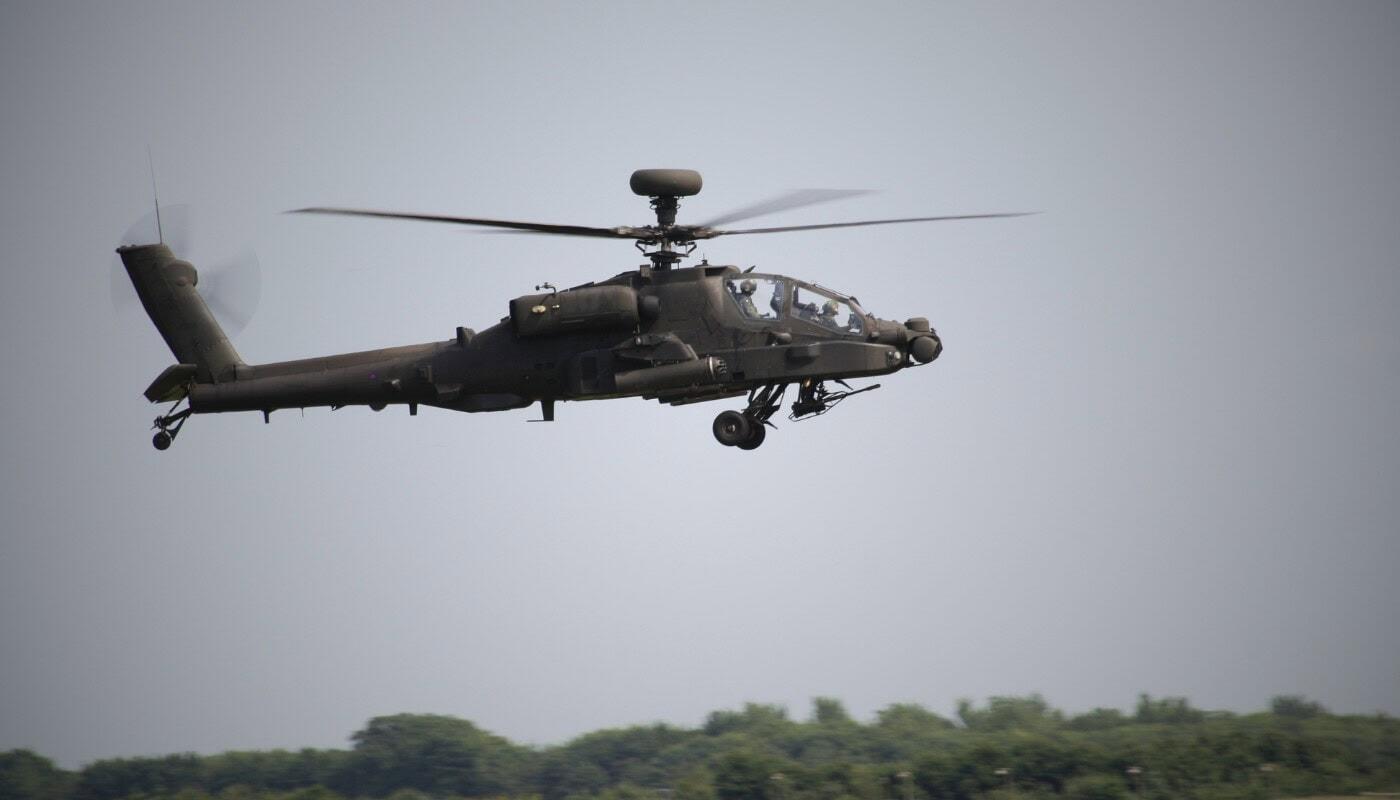
On 3 July 2026, the European Commission proposed five European Defence Projects of Common Interest (EDPCIs) covering autonomous drone systems, counter-drone capabilities, maritime and seabed defence, space-based surveillance, air and missile defence and eastern flank security. Around 18 member states are involved on average across the five programmes, and Ukraine is participating in four of them. The combined funding ambition sits at approximately €190 billion by 2036.
The Commission is clear that these projects are necessary because no single EU member state possesses the capacity to develop them independently. These initiatives are too vast, technically intricate and cross-border in nature to be achieved via national procurement. The underlying message of this announcement is that European defence technology is a challenge of collective scale instead of individual ambition.
What The EDPCIs Actually Cover
The five frameworks span the major capability deficiencies that European governments have been discussing since Russia’s full-scale invasion of Ukraine in 2022.
Drone and counter-drone systems moved from experimental to essential in that conflict, and the EU’s EDPCI framework recognises that developing and deploying them at scale requires industrial coordination that can’t happen across a dozen separate national procurement processes. Maritime and seabed defence reflects growing concern about undersea infrastructure vulnerability. Space and surveillance systems are both military and dual-use, with civilian satellite infrastructure already demonstrating strategic value in Ukraine. Air and missile defence is the most politically sensitive, touching directly on NATO interoperability and the question of European strategic autonomy. Eastern flank security is the most geographically specific, with Poland, the Baltic states and Romania as the obvious primary beneficiaries.
Ukraine’s inclusion in four of the five frameworks is significant. It reflects an EU position that Ukraine’s defence industrial capacity is now treated as part of European security infrastructure, not a separate recipient of aid. That’s a noteworthy shift in how European defence policy is being framed at the Commission level.
More from Tech
- The Drone Technology Helping Farmers Cover More Ground In Less Time
- F1’s Pitlane Has Its Own Race, And Technology Is Driving It
- Top Deep-Tech Startups In Finland To Watch In 2027
- Are VoIP Calls Secure? Let’s Talk About Who Could Be Listening
- The Tech That Shapes F1 Car Performance From Circuit to Circuit
- From Alton Towers To Thorpe Park: The Technology Bringing Theme Parks To Life
- Women In Tech: Top 10 Women In EdTech In 2026
- Why Is It So Hard To Put Tech Down? The Design Choices Behind Our Attention
A Shift Beyond Defence: The Industrial Policy Dimension
The EDPCI proposals are integral to the broader European Defence Industrial Strategy, which defines a strategic vision through to 2035 for how Europe builds and procures the technology it needs to defend itself.
These frameworks establish a pattern of large-scale, cross-border contracts that mandate joint development and procurement, effectively creating new channels for commercial technology firms. Companies specialising in drones, sensors, space and surveillance, or software for command and control systems are all potential participants in programmes of this scale.
This is the industrial policy dimension that makes this relevant beyond a purely defence audience. Europe is using public procurement architecture to build a defence tech commercial base in a way that mirrors what the US defence procurement model has done for Silicon Valley over several decades. The distinction lies in the EU’s approach, which is intentional and rapid, driven by necessity rather than historical practice.
The EU’s defence budget commitments have been rising sharply. The European Defence Fund, the EDIP instrument and now the EDPCI proposals collectively represent a volume of public capital flowing into defence-adjacent technology that would have been politically unthinkable in Europe five years ago. This capital is now creating a market, and that market is driving new investment activity.
What Do These Developments Mean For The Industry?
Defence tech has been a growing allocation in European venture capital for the past three years, but it has largely been treated as a separate vertical with its own specialist investors, distinct from mainstream tech. The EDPCI proposals are a signal that this perspective may be too narrow.
When the EU is structuring €190 billion of procurement across drones, space, maritime sensors and missile defence systems, the technology underneath those programmes is software, AI, hardware engineering and communications infrastructure. These aren’t exclusively specialist defence domains – they’re the technical foundations that civilian deep tech companies are already building on.
Practically, this means European founders and investors who have avoided defence applications due to ethical concerns or perceived complexity should take a closer look at the actual requirements within the procurement pipeline. Some of it is specialist defence work that requires cleared contractors and military-specific expertise. A large portion is dual-use capability – positioning, communications, autonomous systems, materials – where commercial technology companies are already competitive. The EDPCI frameworks are where those two worlds are most likely to converge over the next decade.


