


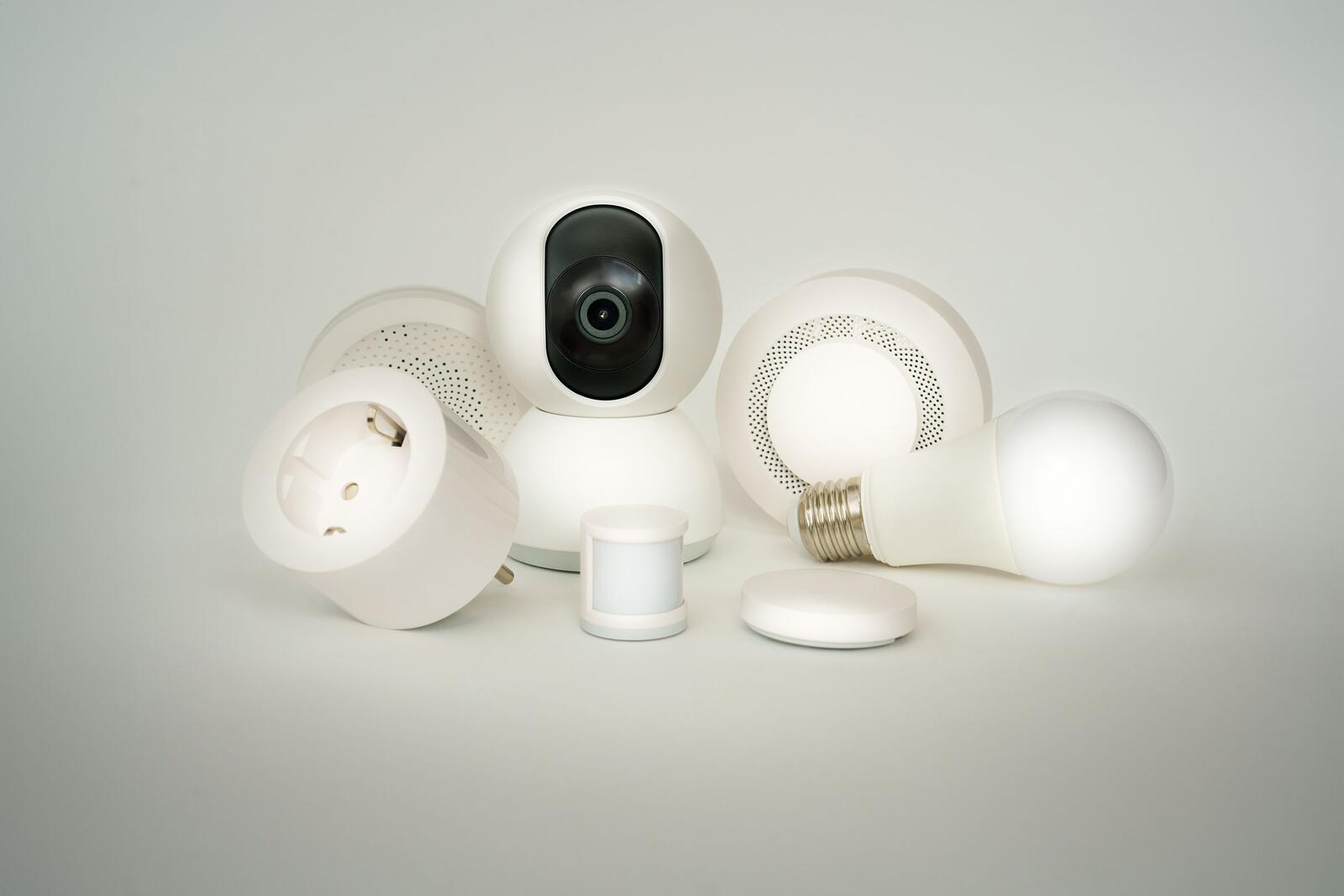
New Zealand has emerged as one of the most innovative technology hubs in the Asia-Pacific region and the Internet of Things (IoT) is becoming a key part of its digital economy. Kiwi startups are developing connected technologies addressing real-world challenges both domestically and internationally, ranging from precision agriculture and environmental monitoring to fleet management and smart energy.
Its strong agricultural heritage, advanced telecommunications infrastructure and emphasis on sustainability make the country an ideal environment for IoT innovation. Businesses are increasingly using connected sensors, cloud computing, AI and real-time analytics in order to boost productivity, reduce costs and make better decisions. New Zealand’s IoT startups are gaining recognition on the global stage as demand for automation and data-driven insights continues to grow.
How IoT Is Changing New Zealand
IoT technology is revolutionising almost every major industry in New Zealand. Connected devices can be used by farmers to monitor livestock, soil conditions and irrigation systems, without having to physically inspect every paddock. Logistics firms use GPS trackers and smart sensors to optimise transport routes and track valuable assets in real time. Environmental agencies utilise IoT devices for monitoring air quality, water quality and weather conditions, enabling them to respond faster to shifting environmental conditions.
Utilities are turning to connected smart meters to improve energy efficiency, while manufacturers are deploying predictive maintenance systems to minimise equipment downtime and improve operational performance. These technologies allow companies to collect ongoing streams of data from connected devices, analyse the data immediately and automate many routine tasks.
The result is a more productive, sustainable and digitally connected economy that continues to attract investment and foster innovation.
The Future Of IoT In New Zealand
The future of IoT in New Zealand is looking very bright. The continued investment in 5G networks, low-power wide-area networks (LPWAN), artificial intelligence, edge computing and satellite communications will enable companies to deploy even more connected devices across the country.
Agriculture will remain one of the biggest growth areas, with farms becoming increasingly autonomous and using smart sensors, robotics and AI to maximise productivity and minimise environmental impact. Smart cities are expected to use connected traffic systems, intelligent waste management and energy-efficient public infrastructure. Healthcare providers will increase remote patient monitoring and manufacturers will continue to apply Industry 4.0 technologies to automate production and increase efficiency.
With IoT devices getting smaller, cheaper and smarter, New Zealand startups will keep creating innovative solutions that solve global challenges in food production, sustainability, transportation, environmental protection and energy management. New Zealand is well-positioned to remain a leader in IoT innovation for many years to come, with a strong innovation ecosystem and growing international investment.
More from Startups
- Are Hiring Challenges Preventing Startups From Reaching Their Full Potential?
- Meet The Startups Crowdfunding w/c 12.10.2026
- The Cold Start Problem: Why Getting A Startup Off The Ground Is So Difficult
- Founder Of The Week: Ryta Zasiekina
- Top Industrial Tech Startups To Watch In 2027
- Startup of the Week: Kord
- How Do Startup Valuations Work When A Company Isn’t Profitable?
- These Aerospace Startups Are Out Of This World, But Made In Japan
Best IoT Startups In New Zealand
With digital transformation accelerating around the world, these startups showcase New Zealand’s ability to develop world-class IoT solutions that improve efficiency, sustainability and decision-making. Their ongoing success shows the increasing influence of the country in the global Internet of Things industry and indicates an exciting future for connected innovation.
Halter

Halter has rapidly become one of New Zealand’s biggest technology success stories. The company has transformed livestock agriculture with the replacement of traditional physical fences with GPS-enabled virtual fencing based on IoT technology.
All cows are fitted with a smart collar equipped with GPS receivers, motion sensors, wireless connectivity and audio feedback systems. Farmers establish virtual boundaries via software and the collars softly nudge cattle with sound and vibration cues prior to arriving at the virtual fence. Farmers can also remotely move herds between paddocks, monitor grazing patterns and receive health alerts without having to physically handle the animals.
We constantly collect location, movement and behavioural data from each animal on the IoT platform. This data is then transmitted to cloud software, where farmers can access insights in real-time via a mobile application. Halter combines IoT and AI to help improve animal welfare, increase pasture utilisation, reduce labour costs and boost farm productivity.
Adroit Environmental Intelligence
Adroit Environmental Intelligence specialises in wireless environmental monitoring systems to collect accurate data in remote locations. Its IoT devices measure variables such as water quality, river levels, rainfall, air quality, soil moisture and weather conditions. These sensors are networked and automatically transmit information over wireless networks to cloud dashboards for real-time monitoring by users.
It is widely used by councils, environmental agencies, scientists and industry. Organisations receive instant alerts when conditions change, instead of relying on manual inspections, enabling faster decision-making and reducing environmental risks.
EROAD

EROAD is one of New Zealand’s biggest connected transport technology companies and has grown to become a global leader in fleet management solutions.
The company combines IoT hardware installed in commercial vehicles with cloud software that tracks location, speed, fuel usage, engine diagnostics, driver behaviour and compliance information.
Fleet operators receive live updates on each vehicle allowing them to optimise routes, reduce fuel consumption, enhance driver safety and simplify regulatory reporting. The continuous flow of data from IoT devices enables transport companies to make faster decisions and boost their operational efficiency.
Tether
Tether develops industrial monitoring solutions for companies operating in remote and challenging environments.
Its IoT devices connect equipment, pumps, generators, water systems, fuel tanks and other critical infrastructure using cellular and satellite communication networks. This allows organisations to monitor assets remotely that would otherwise need expensive site visits.
The platform automatically alerts you when a piece of equipment needs maintenance or when it detects abnormal operating conditions. The result is lower operating costs and increased equipment reliability across industries including agriculture, utilities, mining and environmental management.
TradeWindow

TradeWindow is digitising international trade by combining cloud software and connected logistics technologies.
While primarily known as a digital trade platform, it combines IoT data from shipping containers, freight tracking systems, warehouse sensors and transport networks to improve visibility of the supply chain.
Businesses receive real-time visibility into shipment location, inventory movement, customs documentation and transport conditions. IoT connectivity and digital documentation come together to reduce delays, increase transparency and streamline international trade.
Teletrac Navman
Teletrac Navman is one of the world’s leading connected fleet management platforms.
Its IoT ecosystem features GPS trackers, onboard vehicle sensors, dash cameras, fuel monitoring systems and driver behaviour monitoring systems. They collect operational data from commercial vehicles on a real-time basis.
Fleet managers use cloud-based dashboards to monitor vehicle health and optimise routes, reduce idle time, improve fuel efficiency and increase driver safety. Predictive maintenance capabilities can prevent costly breakdowns by identifying potential mechanical issues before they develop into serious problems.
OpenStar Technologies
OpenStar Technologies is working on advanced fusion energy systems that depend heavily on connected sensing technologies.
Its research facilities are equipped with thousands of IoT-enabled sensors that continuously monitor temperatures, magnetic fields, pressure levels, power systems and experimental conditions. These sensors generate a vast amount of real-time operational data which engineers use to optimise performance and improve safety.
While centred on energy innovation, OpenStar shows how IoT technologies are becoming a must have in cutting edge scientific research and high-tech engineering settings.


