


By Emma Lewis, bOnline
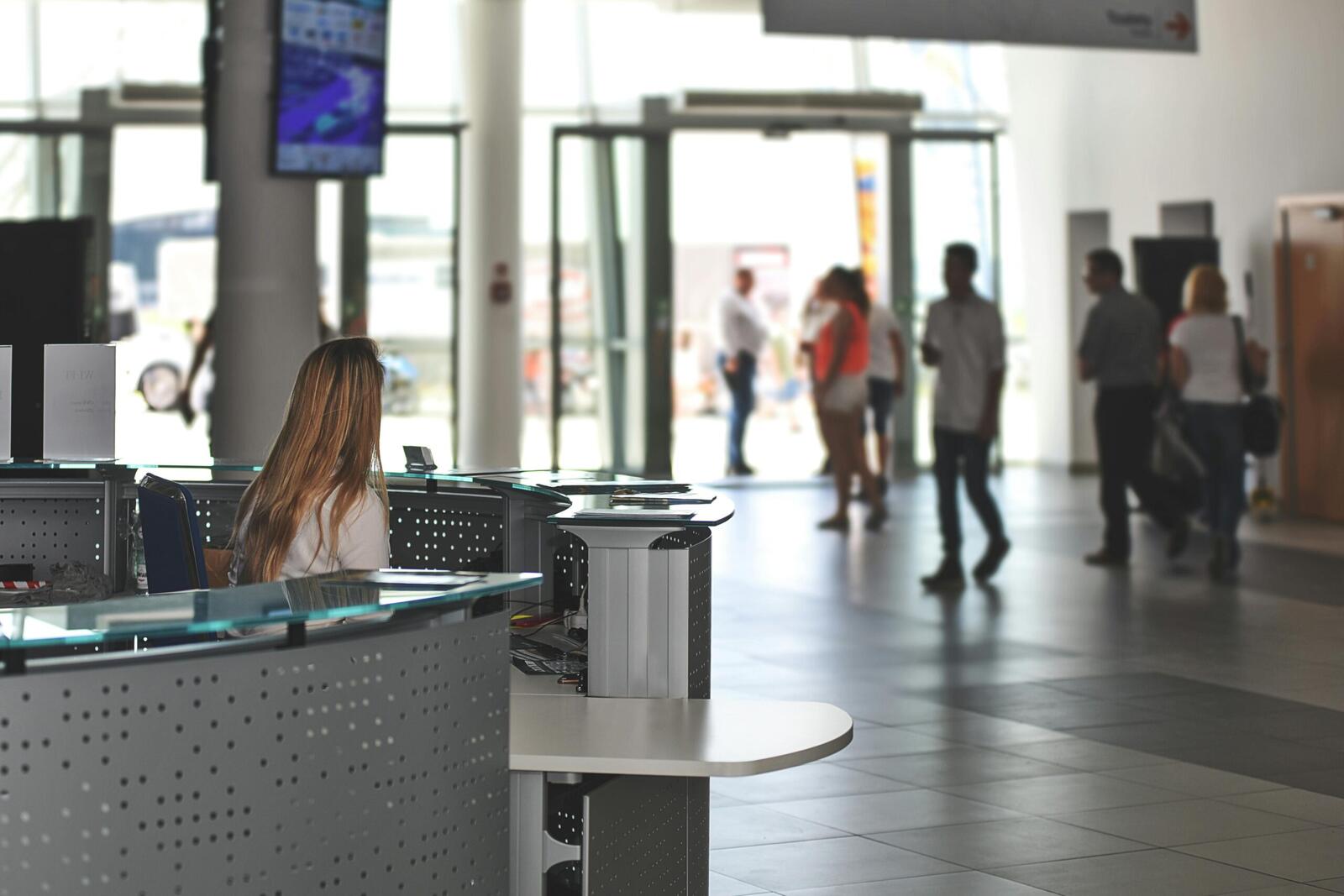
Receptionists have always been the face of a business. They tend to be the first person a customer speaks to, the friendly voice answering enquiries, the one who manages appointments and makes sure important calls get to the right people.
But for small businesses trying to keep costs under control, hiring a full-time receptionist is often financially unrealistic.
The average UK receptionist salary sits at around £25,000 to £30,000 a year, depending on location, experience and industry. However, the true cost to an employer goes beyond salary alone. Once National Insurance, pension contributions, holiday pay, recruitment and training costs are taken into account, the annual expense can easily climb way beyond that.
For some businesses, that investment makes complete sense. Having someone dedicated to customer communication can be invaluable. But for others, especially those with fluctuating call volumes or small teams, it’s easy to wonder if there’s a better way to manage incoming calls.
The Problem With Traditional Phones
Most business owners understand the frustration of missed calls. A potential customer rings while the team is busy, the call goes unanswered and the opportunity disappears. This can have a big impact, because customers expect quick responses. If they cannot get through to one business, they’ll quickly move on to another.
Hiring a receptionist solves part of this problem, but it also creates a fixed cost. A full-time employee needs consistent working hours, even during quieter periods. They also need holidays, sick days and time away from the phone.
For larger companies, this is rarely an issue. For smaller businesses, paying for constant availability can be difficult to justify.
What Is An AI Virtual Receptionist?
An AI virtual receptionist is a phone-based assistant powered by artificial intelligence that can answer calls, understand customer requests and carry out everyday communication tasks.
Rather than sending callers straight to voicemail or forcing them through a rigid menu system, an AI receptionist can have a more natural conversation. It can answer common questions, collect customer details, arrange appointments, provide basic information and direct calls to the appropriate person when human involvement is needed.
The important difference is that it works alongside a business’s digital phone system, becoming part of the communication process rather than replacing it completely.
More from Business
- Five Themes To Watch At Singapore FinTech Festival 2026
- How Is The UAE Attracting More Businesses?
- Why Are Brands Turning To Pop-Up Stores Instead of Permanent Shops?
- How AI Video Indexing Is Reshaping Influencer Marketing And Creator Content Strategy
- What Is The UK Doing To Attract More Entrepreneurs?
- Is Singapore’s Small Market Actually Its Biggest Strategic Advantage?
- What Is The US Doing To Attract Entrepreneurs?
- How Have SHEIN And Temu Gamified Online Shopping?
A Receptionist That Works Around The Clock
One of the biggest advantages of AI phone technology is availability.
Customers do not always contact businesses during convenient office hours. Someone may call first thing in the morning before you or your team arrives, after work in the evening or during weekends. An AI receptionist can answer immediately, regardless of the time or how busy the business is.
For businesses that rely on enquiries, bookings or sales calls, this can make a massive difference. Every caller receives a response, and every opportunity has a chance to be captured.
It also removes pressure from employees. Instead of interrupting work constantly to answer routine questions, teams can focus on tasks that require creativity, decision-making and personal input.
Reducing Costs While Improving Customer Experience
The biggest appeal of an AI virtual receptionist is not simply cutting costs. It is about getting more value from the resources a business already has.
A receptionist may spend much of their day answering the same questions repeatedly: opening hours, appointment availability, pricing information or basic service details. AI can handle these repetitive interactions quickly and consistently, allowing human employees to spend their time on more complex conversations.
For businesses, this creates a balance. Customers still receive fast and professional support, while the company avoids the expense of hiring additional staff purely to manage call volume.
Does AI Remove The Human Element?
One common worry is that AI could make customer service feel less personal. However, the best use of AI is not to remove human interaction but to improve it.
There will always be conversations that need empathy, experience and personal attention. A customer with a complicated issue or a valuable client looking for advice will still benefit from speaking with a real person. The role of AI is to handle the routine parts of communication, so that employees have more time for the things that really matter.
Could Your Business Benefit From An AI Receptionist?
Not every company needs a traditional receptionist. For some businesses, having a dedicated person answering calls will always be the right choice. But for businesses looking to control costs, improve response times and avoid missing valuable enquiries, an AI virtual receptionist offers an alternative.
The technology has moved far beyond basic automated phone menus. AI-powered phone systems can now provide a professional first point of contact while helping businesses operate more efficiently, and costs just a few pounds a month.
With the cost of hiring a receptionist getting ever higher, many companies are beginning to find a different solution altogether.


