


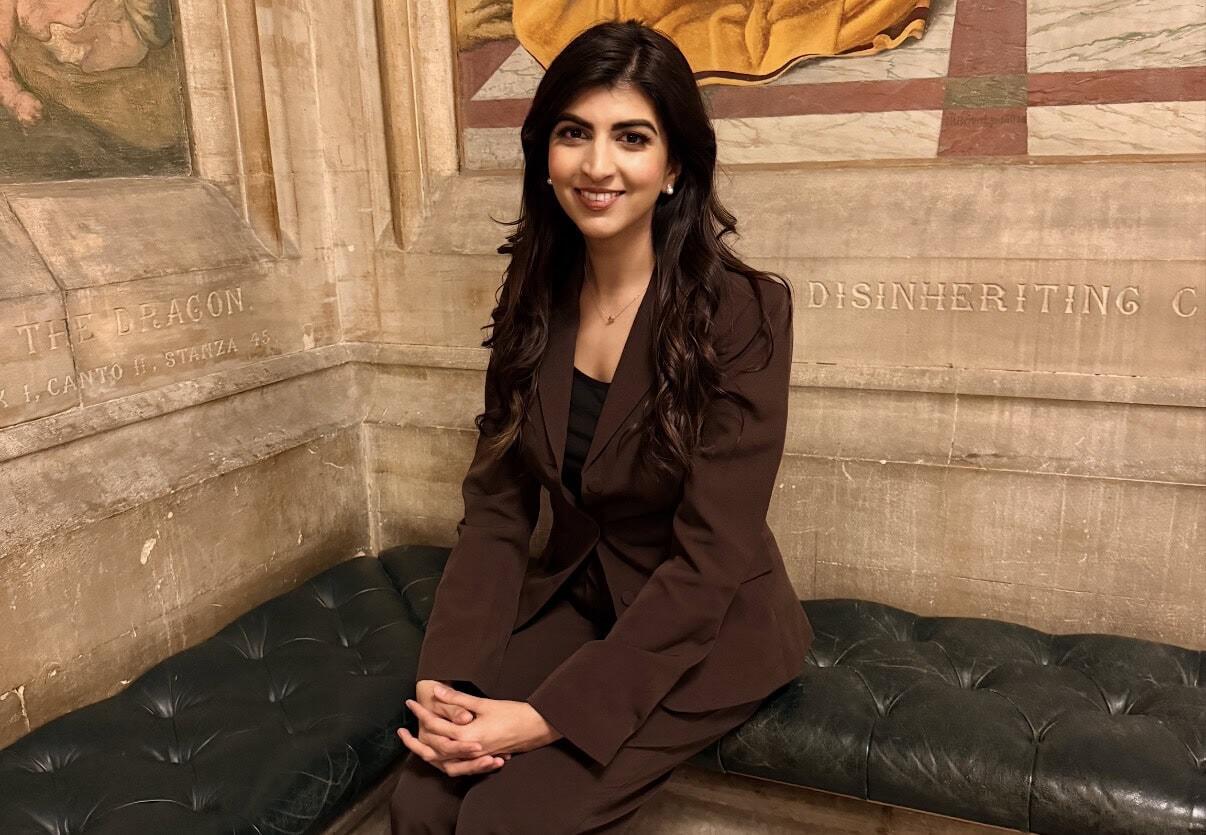
How has being an Asian British female founder shaped how you run The One Labs?
I built The One Labs because women like me weren’t being spoken to in fertility care. Being a British Asian woman in medicine meant I’ve had to earn trust more than any other founder. Our mission is to educate on women’s health first so women know why our ingredients support their fertility. Our priority is to lead with evidence-backed education first. As a doctor and a patient, I felt fertility was a taboo topic that no one would dare mention. I experienced this first hand, when I was diagnosed with PCOS.
We built The One Labs to improve female nutrition and build the fertility conversation I wish existed when women like me needed it.
How do you feel about the uncertainty facing UK SMEs right now?
Definitely growing the business cautiously. Confidence among small businesses is at a record low. Any new policy change is a squeeze on a small founder led business. But we have built our business lean from Day One and hopefully the uncertainty will reward businesses who have stayed lean.
How is The One Labs preparing for policy changes, and what could a cautious end to the year look like?
It’s a difficult time for the growth of small businesses. The recent statistics show only 18% of small firms expect to grow this year. We’re being conservative on Q4 inventory and hiring skilled people that can help us pivot quickly to any changes. The importance of having a cash buffer is also important in case of any policy changes and unexpected increases in costs.
More from Interviews
- A Chat With Alexander Kihm, Founder And CEO Of POMA AI
- A Chat With Jason Day, Head Of EMEA At Luma: How Agentic AI Is Rewriting The Rules Of Creative Production
- A Chat With Yahya Hmida, XWorld: Building An Enterprise AI Company With No Outside Funding
- A Chat With Antonio Barradas, Epassi And Zest: Why Choice Alone Isn’t Enough For Employee Benefits
- A Chat With Laura Harrison, Education Lifeguards: Rethinking Teacher Wellbeing This World Mental Health Day
- A Chat With Luca Steinmetz, FARAWAYHOME: How AI Search Is Rewriting The Rental Listing
- A Chat With Lucid Software’s Jamie Lyon: Why Shared Context Is Becoming AI’s Real Competitive Edge
- A Chat With Tomas Milar: What Startups Should Look For In A Cap Table Management Platform
What has your experience been like building an SME that has been trading for less than a year, particularly when it comes to funding, mental health and growing your customer base?
We bootstrapped The One Labs, whilst working NHS jobs and saving before we ever launched, with no investors. Building a business is relentless and there’s no way around the hard work. It takes its toll on your headspace too and I’ve had to learn to protect that fiercely with strict boundaries between business and personal time. On the hardest days, remembering that The One Labs helps couples to get pregnant and build their dream family, makes the grafting feel worthwhile.
What has been the biggest lesson you’ve learned during your first year in business?
To build for a specific customer who felt underserved. Every product and marketing decision has come from listening to our women who are taking The One everyday. If a change doesn’t make things easier for a woman trying to conceive, we don’t do it. Every piece of content, every website update, any new product changes are made with this filter in mind. The customer is at the centre of every decision we make.
If you could change one thing to make life easier for UK startups and small businesses, what would it be?
I’d want easier access to investors for women’s health businesses and education on how to get there. Nobody teaches founders how funding works and all the available options open to you when funding your business. The knowledge gap is important because supporting women’s health businesses means there are more solutions available for women struggling with issues.
There is lots of data on how every pound put into women’s health research has been shown to return many times over. Further to this, upskilling people with capital on how to confidently invest and deploy their money into early stage start ups would help businesses to grow.
Ravina took part in Momentum 2.0, the second cohort of Virgin StartUp’s free, first-of-its-kind accelerator supporting dyslexic entrepreneurs to scale their businesses, following the success of the inaugural programme in 2025.


