


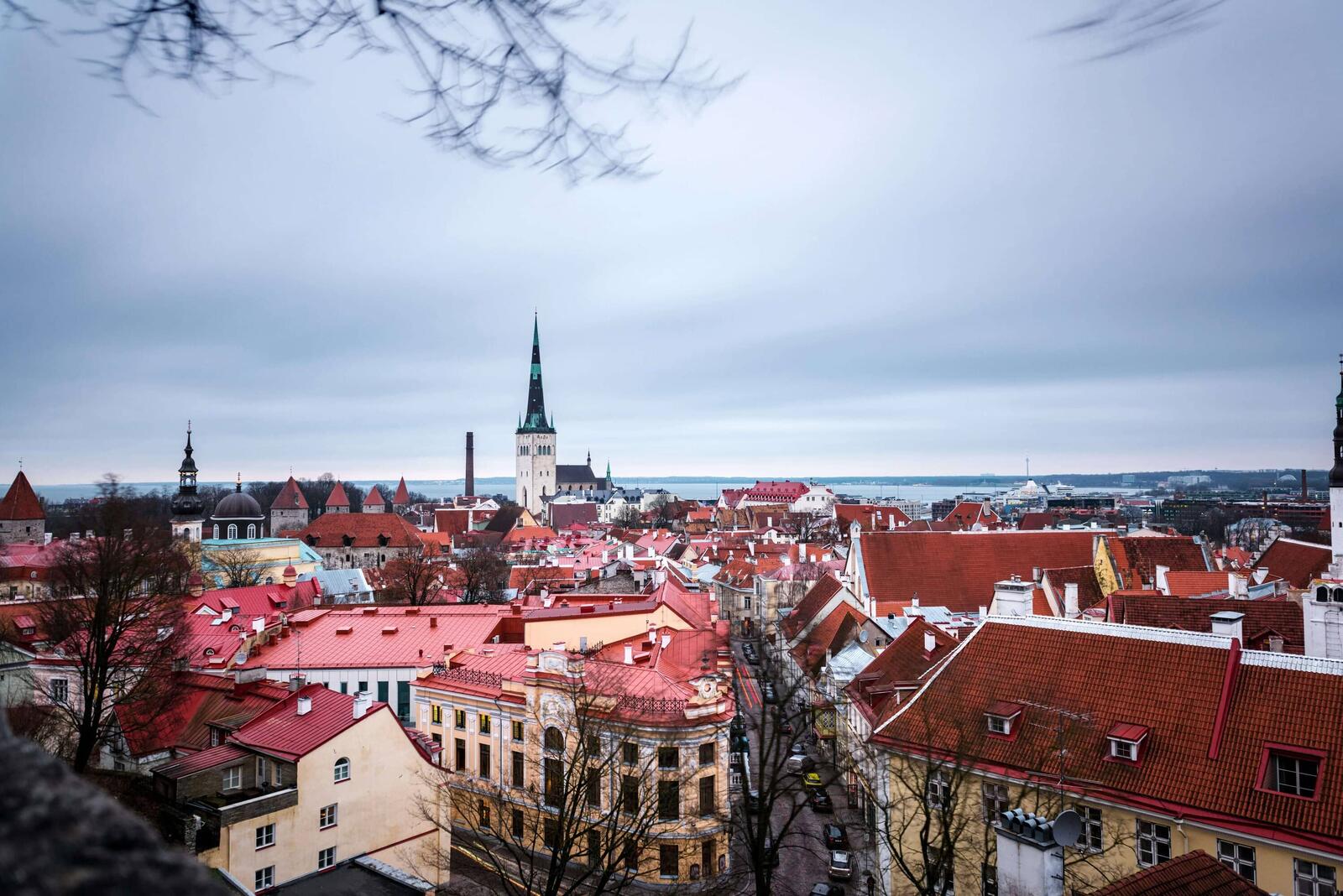
Estonia has earned a global reputation as one of the world’s most startup-friendly economies. Despite its small population, the country has produced a remarkable number of successful startups and unicorn companies, attracting entrepreneurs, investors, and digital innovators from around the world. Through digital government services, business-friendly regulations, a thriving tech ecosystem and strong support for entrepreneurship, Estonia has created an environment where startups can launch and scale with ease. Here’s how Estonia became a global leader in startup innovation.
Why Is Estonia Considered One Of The World’s Most Startup-Friendly Economies?
Estonia is widely recognised as one of the world’s most startup-friendly economies because it has created an environment where entrepreneurs can start, manage, and grow businesses with minimal bureaucracy. The country has invested heavily in digital infrastructure, innovation and entrepreneurship, making it one of the most digitally advanced nations in the world.
Today, startups benefit from fast business registration, transparent regulations, a supportive investment ecosystem and access to highly skilled tech talent. Combined with forward-thinking government policies and a strong culture of innovation, these factors have made Estonia a leading destination for entrepreneurs.
What Role Does Digital Government Play In Estonia’s Startup Success?
Digital government has been one of the biggest drivers of Estonia’s startup success. Almost all government services are available online, allowing entrepreneurs to complete essential business tasks quickly and securely.
From registering a company and filing taxes to signing legal documents and accessing public services, founders can manage much of their business without visiting a government office.
How Does Estonia Make It Easy To Start A Business?
Estonia has simplified the business formation process by combining efficient regulations with advanced digital services. Entrepreneurs can register a company online, complete many administrative requirements electronically and manage ongoing business obligations through secure digital platforms.
This streamlined approach reduces paperwork and makes launching a business significantly faster than in many other countries.
How Did Estonia Build A Strong Startup Ecosystem?
Estonia’s startup ecosystem has developed through decades of investment in digital transformation, education, entrepreneurship, and innovation. Rather than relying on a single initiative, the country created an environment where government, investors, universities and private businesses work together to support new companies at every stage of growth.
Investing In Digital Infrastructure
One of Estonia’s greatest strengths is its advanced digital infrastructure. High levels of internet connectivity, secure digital identity systems and online public services have created an efficient business environment where entrepreneurs can launch and manage companies with minimal administrative barriers. This digital-first approach has become a key competitive advantage for startups.
Encouraging Entrepreneurship
Estonia has actively promoted entrepreneurship through supportive government policies, startup programmes, and business-friendly regulations. Entrepreneurs have access to accelerators, incubators, networking opportunities and mentoring programmes that help transform innovative ideas into successful businesses. A culture that encourages innovation and calculated risk-taking has also contributed to the country’s startup success.
Building A Skilled Workforce
Education has played an important role in Estonia’s startup ecosystem. Strong emphasis on digital literacy, technology, engineering and problem-solving has helped develop a highly skilled workforce capable of supporting growing technology companies. Universities and educational institutions also work closely with businesses to encourage innovation and entrepreneurship.
Attracting International Founders And Investors
Estonia has successfully positioned itself as an international startup hub through initiatives such as e-Residency and startup-friendly immigration policies. These programmes make it easier for entrepreneurs and investors from around the world to establish businesses, access European markets and become part of Estonia’s growing innovation ecosystem. This international outlook has helped strengthen both investment activity and startup growth.
How Does Estonia Support Startup Funding And Investment?
Estonia provides startups with access to a wide range of funding opportunities throughout their growth journey. Early-stage businesses can secure investment from angel investors, venture capital firms, startup accelerators and government-backed support programmes designed to encourage innovation.
Public and private sector organisations frequently collaborate to help startups develop new technologies and scale internationally.
What Tax Benefits Do Startups Receive In Estonia?
Estonia’s tax system is widely regarded as one of the most business-friendly in Europe. Rather than focusing solely on lowering tax rates, the system encourages companies to reinvest profits into growth, innovation and expansion. Key tax benefits include:
- No corporate income tax on retained and reinvested profits, allowing businesses to invest more in growth before paying tax.
- Corporate tax is generally only paid when profits are distributed, such as through dividends.
- Simple and transparent tax administration supported by digital filing systems.
- Fast online tax filing that reduces administrative burden for businesses.
- Digital government services that simplify tax compliance and reporting.
- Business-friendly regulations that reduce unnecessary bureaucracy.
- A stable and predictable tax environment helps businesses plan for long-term growth.
What Challenges Do Startups Face In Estonia?
Despite its many strengths, startups in Estonia still face several challenges. One of the biggest is the country’s relatively small domestic market, which means many businesses need to expand internationally at an early stage to achieve significant growth. While this encourages global thinking, it can also increase competition and create additional operational challenges.
Startups may also experience increasing competition for skilled technology professionals as the ecosystem continues to grow. Access to later-stage funding can be more limited than in larger startup hubs, leading some companies to seek investment abroad.


