


Authored by Mikaelle De Oliveira
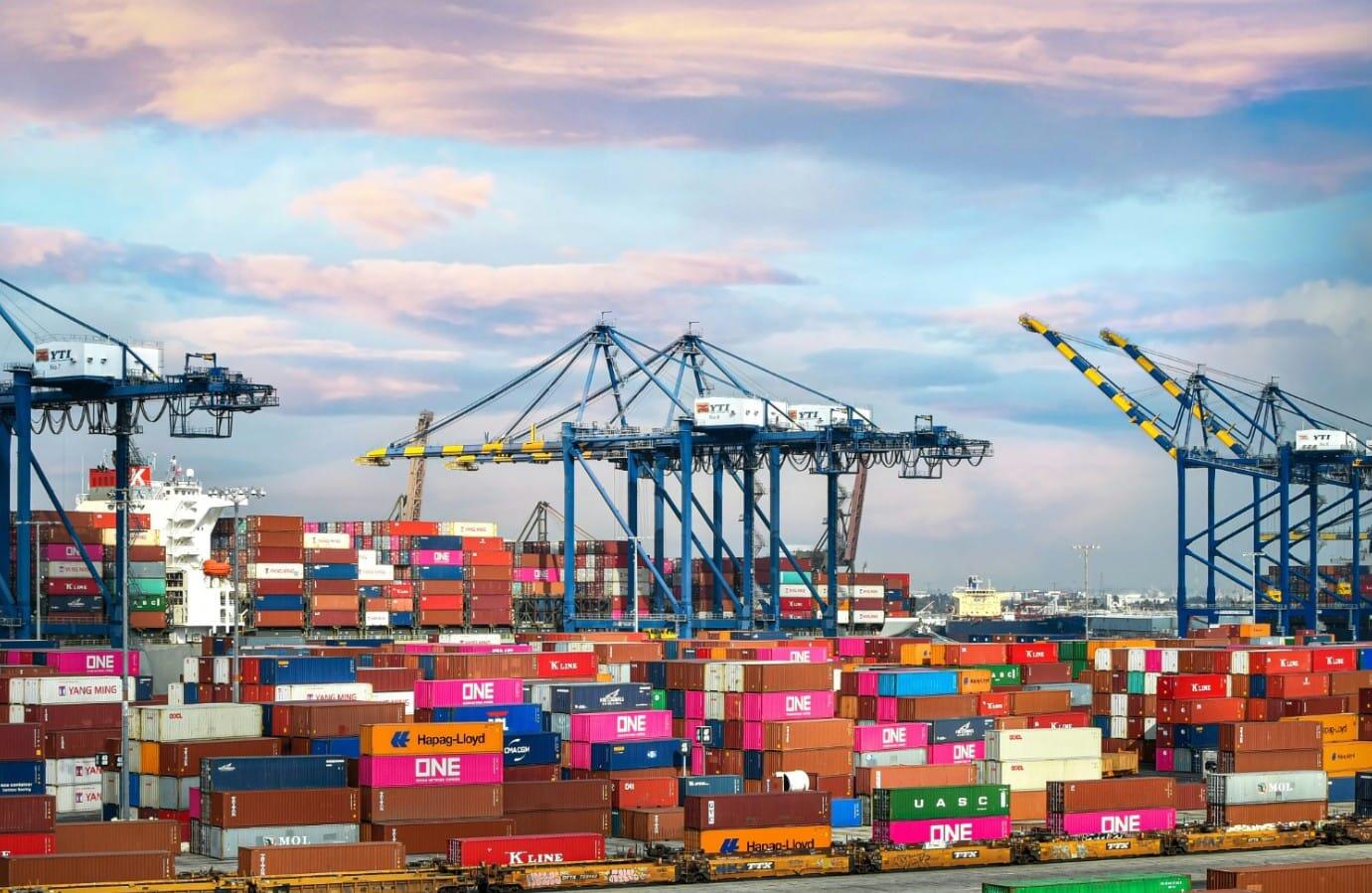
Logistics used to feel like a largely physical industry, with fleets of trucks, warehouses and complex global shipping routes. Today, supply chain networks rely heavily on digital systems that handle millions of pounds worth of business moving every day.
There’s something a little strange about seeing logistics platforms become the subject of major cybersecurity headlines. You don’t usually think of a freight coordinator as being on the front line against global hacking groups, but that’s becoming a new reality for the industry.
According to Reuters, hacking group Helix recently claimed responsibility for stealing internal files from Uber Freight’s cloud. Uber Freight has confirmed that there was unauthorised access to part of its systems, but said there has been no impact on its business operations.
Reporting by TechCrunch and FreightWaves also shows that Helix has targeted companies in sectors including transport and finance.
When People Become The Weak Point
When a major cybersecurity story breaks, you probably picture hackers using complicated software to break through layers of expensive security. In reality, some modern hacking groups can take a much simpler route: tricking people.
According to Google Threat Intelligence, groups that are linked to UNC6671 have relied on phone calls and voice phishing instead of using complicated software. Attackers can call employees or helpdesks, pretend to be staff and ask for password resets or security approvals.
It’s easy to forget how vulnerable an ordinary conversation can be when so much attention is placed on cybersecurity software. If someone can be convinced to hand over login details, attackers may not need to “break” through anything at all. They can simply use the credentials they’ve been given. It also helps explain why identity breaches remain such a problem for businesses.
More from News
- Two Thirds of Brits Are Telling AI Chatbots Their Secrets But Don’t Trust The Companies Behind Them
- Video Game Companies Are Abandoning “Buy Our Console To Play This” – Here’s Why
- UK Gambling Operators Face New Deposit Limit Rules From 30 September
- How A Ransomware Gang Hijacked A Rival Gang’s Website – And Is Now Extorting Them For “2.333% Of Their Net Worth
- Meta Promised Unmatched Privacy For Muse – So How Did Researchers Crack It So Quickly?
- Digital Avatars Are Bringing Deceased Artists Back To The Stage – Where Do We Draw The Line?
- Can Europe Solve Its Critical Minerals Problem Fast Enough To Support Its Tech Ambitions?
- Google Has Agreed To A £260 Million Settlement: Who’s Eligible For Compensation?
Why Logistics Platforms are Goldmines
Transport platforms aren’t just attractive targets because of the software they use. They also have access to a lot of valuable business information.
Freight systems can contain spot rates, contact details, customer lists and financial information. Dispatch records can also show shipping volumes, inventory movements and delivery routes linked to major businesses.
There’s also a lot of information moving between freight brokers, carriers, customers and other businesses. These companies rely on different systems to keep everything connected, which means a security breach could potentially expose more information than just the data belonging to one company.
That makes logistics an interesting target. These companies aren’t just moving goods anymore. Now, they’re also handling a huge amount of information about businesses, people and supply chains moving those goods.
What Happens When Business Files Get Stolen?
Helix claims to have taken nearly one million files from Uber Freight, but we still don’t know exactly what was included in those files. If dispatch records or invoice information were among them, scammers could potentially use real details to make follow-up scams look much more convincing to customers and suppliers. Suddenly, an ordinary phishing email could look a lot more legitimate.
Contact lists could cause problems too. If hackers know who works at a company, who handles payments or who deals with certain customers, they have more information to work with when targeting people. It’s the same reason insider threats and compromised credentials are such a headache for businesses in the first place.
And then there’s the money side of it. Private business files can be valuable because hackers can threaten to release them or demand money to keep them private. Even if a company gets its systems working again, the information itself is still out there. That’s why ransom payments have become such a big part of the wider conversation around data breaches.
The Risk Goes Beyond The Breach
The Uber Freight incident is another warning that logistics isn’t just about trucks, warehouses and getting things from A to B anymore. So much of the industry now runs on digital systems and business information, which makes the information just as important to protect as the physical side of the supply chain.
A stolen file might not stop a truck from moving or a warehouse from operating, but that doesn’t mean the problem ends here. Once private company information gets into the wrong hands, the consequences can keep going long after the original breach has been dealt with. For an industry built around keeping everything moving, protecting its data needs to be at the heart of how it operates, not something added on when there’s a problem


