


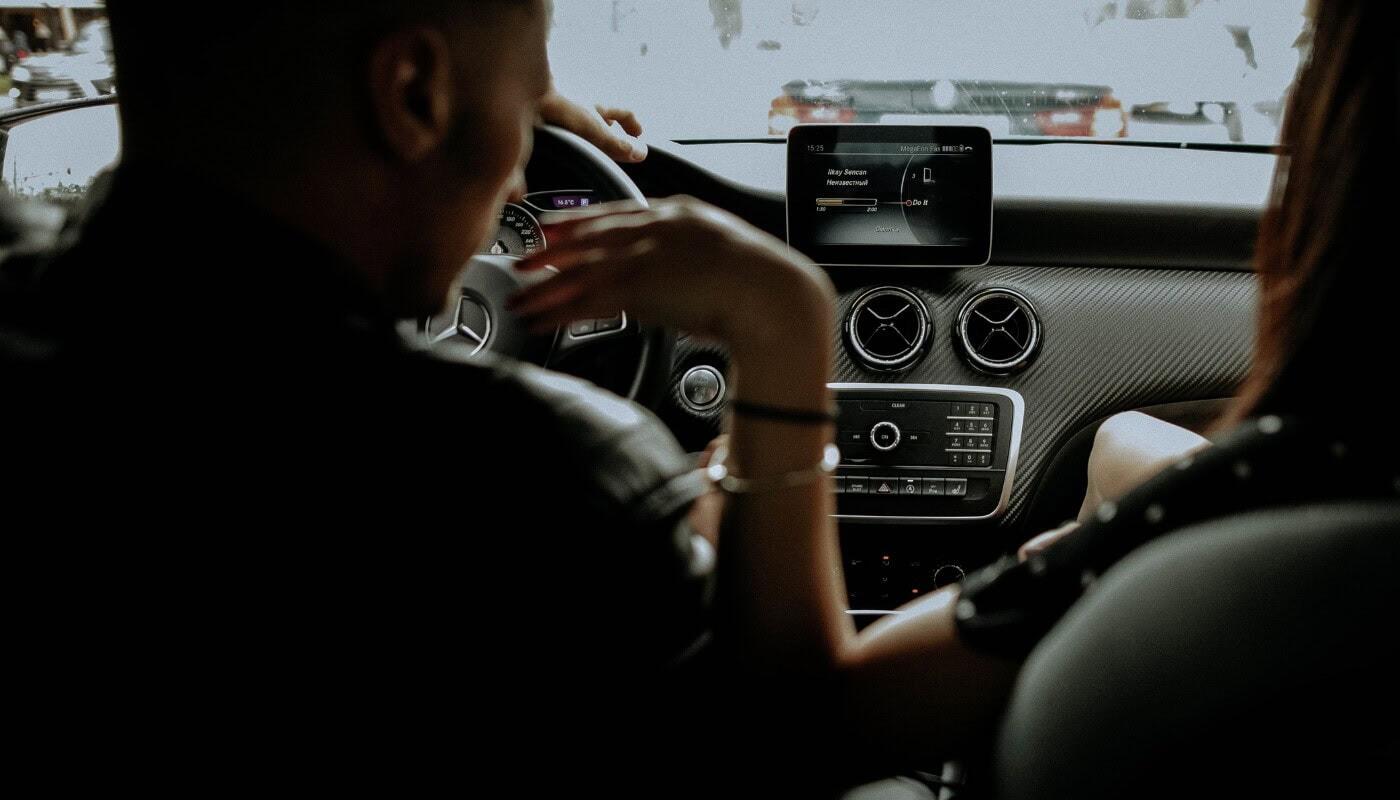
Cars are starting to cut the umbilical cord to cloud servers for simple voice tasks. Mercedes-Benz has begun pushing an over-the-air update to cars in North America, reportedly beginning with the 2027 E-Class and CLE, that adds an on-board voice assistant handling its processing locally.
The system relies on models built by Liquid AI, following a multi-year collaboration established on 23 April to equip third- and fourth-generation MBUX platforms with embedded intelligence. While the original corporate partnership made news, this hands-on feature launch is what drivers will notice on the road.
The update highlights a move in how device hardware works. Instead of relying on distant servers, compact AI models now run directly on the car’s own computer, which makes responses more consistent when the signal is weak.
Why Mercedes Is Cutting The Cable
By computing commands inside the vehicle, the system avoids lag caused by weak network signals or endless data transfers to the cloud. Mercedes says this setup keeps responses more consistent in everyday driving, which should help drivers used to voice assistants failing in dead zones or tunnels.
Liquid AI’s CEO and co-founder, Ramin Hasani, says the models are built to run on hardware already inside the vehicle. It’s AI tailored for local efficiency, with no extra hardware needed. It runs on Mercedes’ MB.OS software architecture and handles voice interaction and vehicle controls, but not self-driving.
More from Artificial Intelligence
- What Is Model Context Protocol, And Why Is It Becoming So Important For AI?
- The Sandbox Fights Back: Joe Security Launches Adaptive Detonation
- The Rise Of The AI Stack: Why Small Businesses Are Turning To Multiple AI Tools
- Who Owns Your Digital Twin?
- Experts Comment: Google Just Had Its Worst Day Since Its IPO – What Comes Next For Big Tech’s AI Spending?
- What Happens When Your AI Assistant Knows More About You Than Your Closest Friends?
- The Biggest AI Mistakes Small Businesses Are Making
- The Future Of Incident Management Depends On Humans And AI Working Together
The Cloud Keeps Its Day Job
Mercedes says the local models complement its existing cloud-based large language models as opposed to replacing them.
Think of a sous-chef handling the prep so the head chef can stay on the dishes that need real attention: quick, routine requests are answered on the spot, while open-ended or complicated ones can still go to bigger models elsewhere.
Privacy is the other selling point. Mercedes and Liquid AI describe the system as private and independent of the cloud. Neither company has published how big the models are, so how much they can handle on their own is still unclear.
A Smart Ring Wants In On The Action
That same design philosophy is appearing on far smaller hardware. Aina introduced a smart ring featuring its own display, joystick and microphone. It’s built for talking to AI agents and taking notes, and it can also control an Apple TV.
The ring is mainly an interface for agents running on a phone or computer, so it isn’t a pocket-sized brain in the way the Mercedes system is. What it shares with the car is a habit of putting the microphone and the controls right where the person is. Nothing has to go through an app first, and nobody has to wait for the answer.
Wearables And Appliances Are Next In Line
Expect the same shrink-to-fit treatment to reach wearables and household appliances next, since both might already have a microphone and a chip with room to spare. Cars got there first because they come with dedicated computing, a microphone and a display built in, which is the checklist any gadget needs before it can host a small model.
What moves over first will be narrow, well-defined jobs, such as understanding a spoken command or taking dictation. Small models have less capacity than their cloud counterparts, so open-ended or highly personalised requests will keep heading to bigger models for now. The Mercedes arrangement works as a template: local for speed and routine, remote for depth.
The cloud isn’t going anywhere, but the first word of the conversation is moving to the device. Cars just happen to be where it’s easiest to see.


