


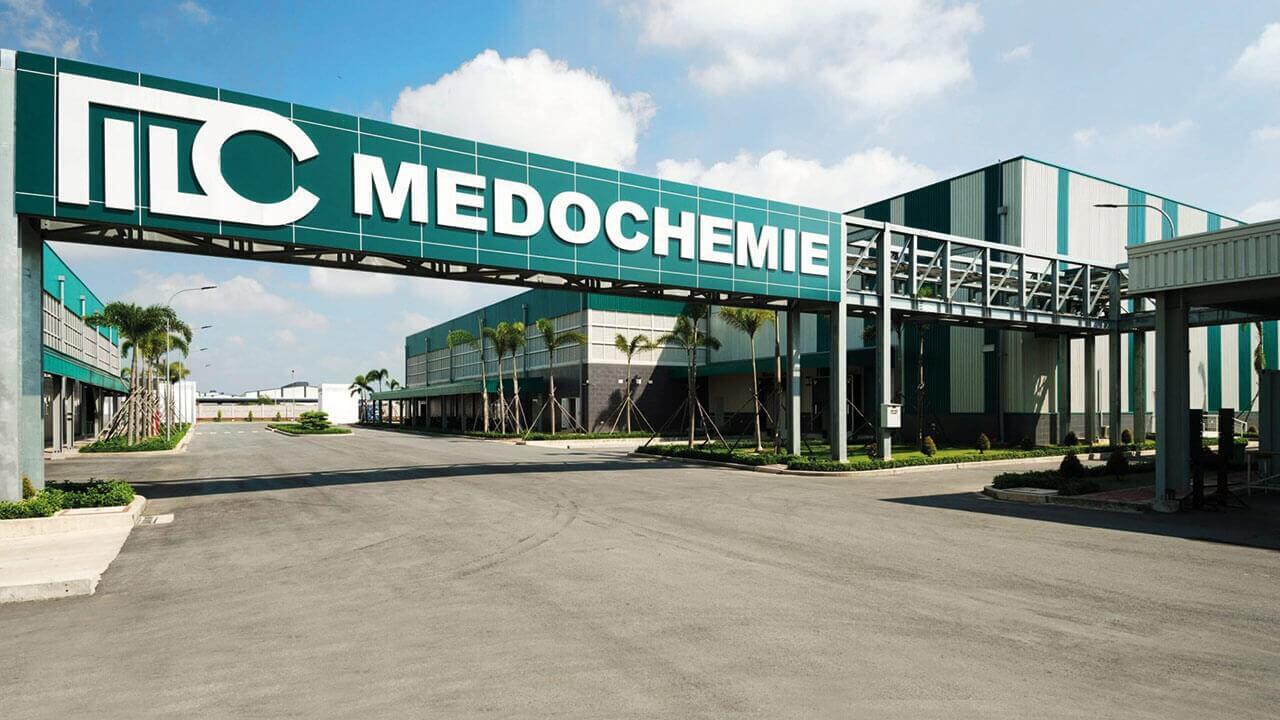
Pharmaceuticals can enter water systems through manufacturing processes, with the potential to affect ecosystems and human health. For a pharmaceutical manufacturer, part of that problem originates from inside its own site: the wastewater generated by production activities, which can carry traces of active pharmaceutical ingredients (APIs).
Treating that water at its source is one way to reduce the burden on urban treatment plants and protect natural water sources. It is the approach that a Limassol-based generics manufacturer has been testing, and it contributed to the record behind the Golden Cedar the company received at this year’s Cyprus Environmental Awards for Organisations and Businesses.
A Pilot Plant on a Production Site
The research programme runs through LIFE Pharma Detox, a project co-funded by the EU’s LIFE Programme under the reference LIFE20 ENV/CY/000615. Medochemie coordinates the work, which brings together five partners from four EU countries. Alongside the Cyprus-based manufacturer, they are Aarhus University in Denmark, the environmental consultancy NEVIS and the National Technical University of Athens in Greece, and the University of Catania in Italy.
Medochemie’s pharmaceutical wastewater treatment prototype pilot system was installed at the company’s premises in March 2025 and subsequently became operational. The aim is to detoxify APIs in production wastewater before that water leaves the site.
How The System Works
The pilot uses multi-stage processes built on advanced oxidation reduction techniques, which detoxify active pharmaceutical ingredients into non-toxic compounds.
A second component recycles the treated water so it can be reused for non-critical purposes such as cooling, cleaning and irrigation, rather than being discharged. The system is designed to run with full energy autonomy from renewable sources, primarily solar power, with smart management to reduce the load on the grid.
The project has set two headline targets for the Cypriot manufacturer’s operations. The first is to treat approximately 5,220 grams of APIs a year and the second is to reuse approximately 10 cubic metres of water per day in auxiliary applications, or about 3,650 cubic metres a year. The treated wastewater will be reused instead of using fresh drinking water for watering plants and cleaning purposes.
Under a hypothetical scenario of wider adoption, project estimates suggest that applying the technology across Europe could prevent more than 1,600 kg of pharmaceutical substances from entering aquatic ecosystems each year. The project includes operator training and presentations at European scientific forums, and the company states that the system is designed to be cost-effective and easy for other manufacturers to implement.
The Policy Backdrop
The EU Water Framework Directive (2000/60/EC) requires Member States to prevent deterioration of water bodies and achieve good chemical and ecological status. The European Commission notes that its revised list of water pollutants now includes pharmaceuticals, alongside PFAS and pesticides.
The Renewable Energy Directive pulls in a parallel direction. Its revised version sets a binding EU-wide renewable energy target for 2030 and adds sector-specific targets, including one for industry.
A third piece of legislation addresses the economic implications of water management. The revised Urban Wastewater Treatment Directive, in force since 1 January 2025, requires EU countries to remove micropollutants with quaternary treatment, with the costs financed through extended producer responsibility by the sectors responsible for the pollution. For manufacturers, that raises a practical question about where treatment is best carried out: at municipal plants, funded collectively, or at the production site before wastewater is discharged.
LIFE Pharma Detox was designed to facilitate the implementation of the Water Framework and Renewable Energy directives in the pharmaceutical industry: the treatment unit tackles a water-quality problem, and it obtains its power from renewable sources. Taking into consideration the project requirements, the company transitioned its Cyprus-based factories to renewable energy.
The Solar Switch
Since 1 October 2025, all electricity consumed at Medochemie’s factories in Cyprus has been sourced from renewable energy generated by photovoltaic parks. According to the company’s figures, this accounts for approximately 18 million kWh of annual demand and reduces about 12,186 tonnes of CO₂ a year.
Taken together, the wastewater pilot and the energy supply change address two different environmental pressures from pharmaceutical production: what leaves a plant in its water, and what is emitted to power it. Coverage of the award cited both. The Golden Cedar went to the company for the highest overall score among all nominees and categories, and it also received a Gold Environmental Medal in the Primary Sector, Manufacturing and Industry category.
Dr Christakis Sergides, Chairman of Medochemie’s Environmental Protection and Energy Conservation Committee, emphasised that the company’s activities are closely linked to the natural environment, highlighting its responsibility to protect natural resources and explaining its investment in new technologies. “As a pharmaceutical company, we are fully aware of the responsibility that accompanies our manufacturing activities,” he stated, adding that the company invests “in technologies and infrastructure that allow us to make better use of energy and natural resources, reduce waste and continuously improve the way we operate.”
What Comes Next
Following its first successful run in Cyprus, as part of the project’s second demonstration phase, the pilot system was transferred to the FAL facilities in Duiven, the Netherlands, in order to validate the technology under different industrial conditions and extend its application to other pharmaceutical wastewater streams and APIs.
A recent visit by teams from the National Technical University of Athens and Medochemie marked the completion of that phase. According to the project team, the Dutch demonstration delivered positive treatment results and confirmed the system’s adaptability beyond the conditions tested in Limassol.
The unit is now returning to Limassol for the project’s final phase, which runs from October 2026 to February 2027. This phase focuses mainly on open days, site visits and technology demonstrations for pharmaceutical companies and other industries, giving other manufacturers a direct look at whether the method could work at their own plants. During this period, the consortium also held a meeting in Catania, hosted by the University of Catania, to review technical progress.
The project was successfully presented at the ECOMED Expo in Catania, an environmental sustainability exhibition that brings together businesses, universities, researchers and public authorities to exchange ideas and showcase technologies supporting the ecological transition.
A solar-powered treatment unit initially tested at one of the company’s production sites has contributed to the evidence supporting the country’s highest environmental distinction. In the coming months, the system will be demonstrated in Limassol, offering other manufacturers the opportunity to observe its operation.


