


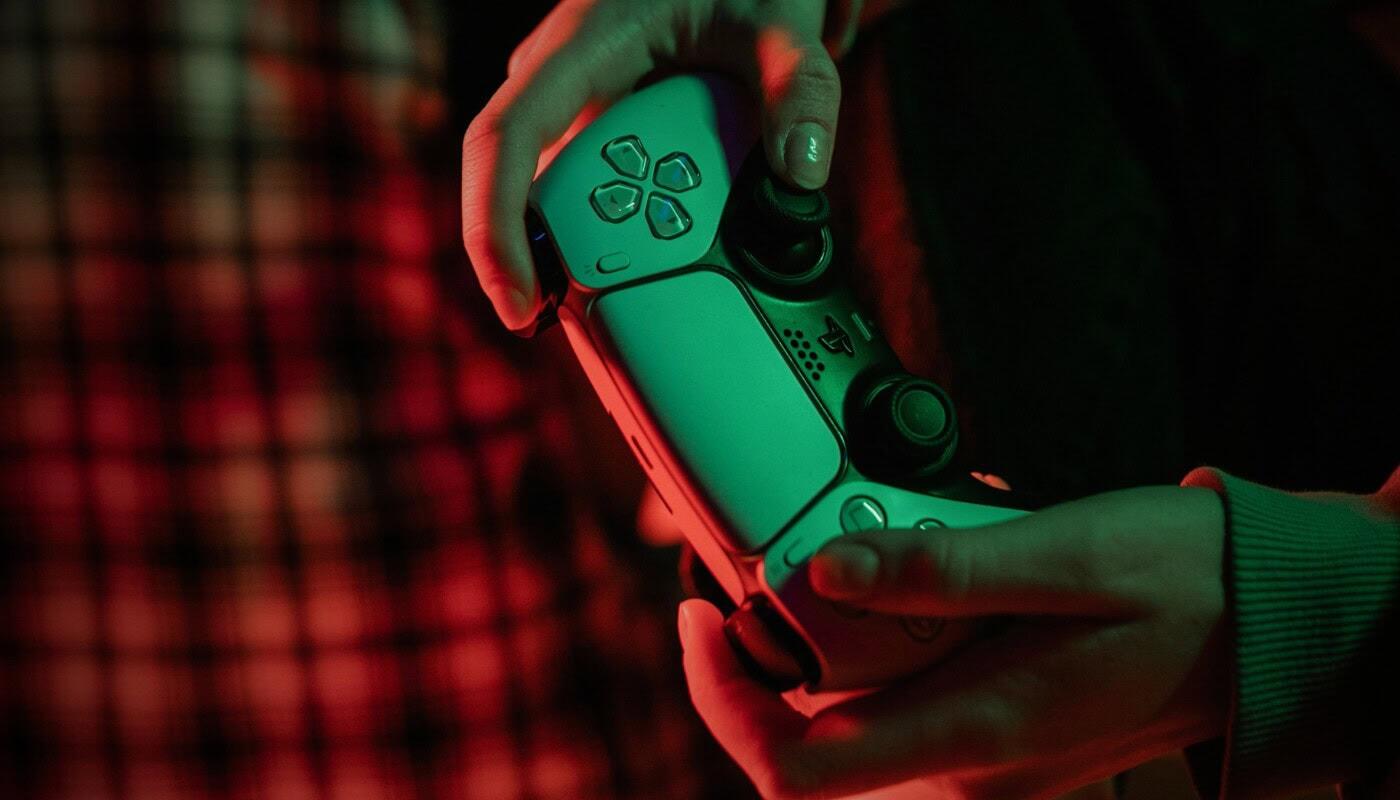
When GTA VI finally arrived on 19 November, thousands of employees had already booked the day for it.
BambooHR looked at more than 3.4 million US employees and found paid time off requests for launch day jumped nearly 13% compared with the same Thursday in November 2024 and 2025. The figures were collected a month before release, meaning they count the planners who booked annual leave.
The game has stirred up trouble in living rooms too. Singapore YouTuber Julian Tay posted a tongue-in-cheek five-point contract, co-signed by his wife and fellow creator Lisa Chan, covering the first 10 days after launch and laying down strict ground rules on mission interruptions, errands and affection. Elsewhere, couples are arguing over whether flirting with an in-game character counts as cheating. A YouGov survey of more than 4,000 British adults found 6% would call it infidelity and another 19% would feel uneasy about it, making it a minority stance, albeit a vocal one.
Gaming has long split opinion. One camp sees a harmless way to unwind and keep up with mates, while the other sees lost hours stolen from sleep and from the people around them.
Research doesn’t hand either side an easy victory: Oxford academics who tracked nearly 39,000 players across seven titles found little proof that time spent playing alone affected wellbeing, though players who felt compelled to log on did report feeling worse.
For the World Health Organization, gaming disorder hinges on a loss of control, where play overrides other priorities and continues despite clear harm to daily life, usually over 12 months or more. Taking one day of annual leave for a long-awaited sequel hardly crosses that line. Still, opinion stays divided on where the boundary lies, even among the professionals who deal with it.
Another Side Of Addictive Design
Hours spent on the sofa are only half the equation, because plenty of games are wired from the ground up to keep players coming back for more. Gamers who took part in studies on deceptive design blamed daily rewards and login streaks for turning the odd evening session into an unbreakable routine. Those tactics are common across the industry, though there’s no suggestion that GTA VI uses them.
The same craft that makes a world deeply rewarding can also make logging off feel like losing out, and the real test is who a feature serves: the player’s own fun or a studio’s engagement targets.
We asked a panel of experts: GTA VI had people booking days off and drawing up gaming agreements with their partners. Gaming gets defended as harmless escape and blamed for wrecked relationships or lost workdays, so from what you’ve seen, which is closer to the truth, and at what point does the harm outweigh the benefit?
More from Tech
- UrbanTech Explained: Technologies Changing The Way Cities Work
- Can LEGO Make Imagination Programmable? The Classic Toy Gets A Digital Makeover
- A 167-Year-Old Maths Problem Has Reportedly Been Proven With AI: Why Are Tech Leaders Now Talking About Superintelligence?
- How Automotive Technology Is Powering The Japanese Car Industry
- 6 Pieces Of Black Mirror Tech You Probably Didn’t Know Already Exist
- F1 Team Radio Channels Are Becoming A Searchable Intelligence Network
- Women In Tech: Top 10 Women In Cloud Computing In 2026
- Experts Comment: Are Technology Outages Becoming A Breeding Ground For Online Misinformation?
Our Experts:
- Tiffany Petite, Registered Clinical Social Worker and CEO and Co-Founder of Virtuous Circle Counselling
- Conor Smart, Director at Arklavo
Ilana Schachter: Registered Dietitian Nutritionist at Nourish - Laury Monk, Registered Associate Marriage and Family Therapist at the Center for Mindful Psychotherapy
- Kelsey Thompson, LMFT at Light Within Counseling Inc.
- Alexia Georghiou, CEO and Founder of Knoxville Happiness Coalition
Tiffany Petite, Registered Clinical Social Worker And CEO And Co-Founder Of Virtuous Circle Counselling

“Taking a day off for GTA VI sounds like a reasonable way to spend a day off. A game can help someone unwind, and for friends who live far apart, playing together may be the one evening a week they get to catch up.
“A gaming agreement can make sense for the same reason couples talk through any weekend plans. If one person wants Saturday afternoon to play and agrees to take over with the kids at bedtime, both partners get time to themselves. If bedtime comes and goes and the other parent keeps having to cancel their plans, there’s already a cost to the relationship. They should be able to count on the agreement without having to enforce it.
“I’d also pay attention to someone who keeps playing later than they intended and is tired enough the next day that their work suffers. One late night for a game they’ve looked forward to tells you very little. I’d be concerned if it keeps happening, especially if they’ve tried to cut back and find it difficult to stop.”
Conor Smart, Director At Arklavo

“It would be irresponsible of me not to mention GTA VI given it’s one of the most highly anticipated video games of all time. But as an employer, I don’t really see video games as a workplace issue. I’d much rather an employee took the day off to play GTA VI than attempted to come into work under-rested.
“The problem I see with gaming (and it applies to TV shows, etc.) is when people don’t get enough sleep because they’re up till 3 am gaming and then struggle to get through the day at work because they’re so tired. Deadlines get missed because they’re struggling to keep their eyes open; emails take ages to reply to because they’re dragging themselves through the day etc.
“My company Arklavo designs and supplies bespoke uniforms and workwear so I’m approaching this as a business owner and team manager, not a clinical psychologist.
“Ultimately, I think it comes down to balance and having good communication with those around you. Have a gaming pact with your partner. Agree limits with each other so you’re not left resentful at the amount of time your partner spends gaming. Plan gaming days in advance so you’re not gaming at the expense of sleep. If gaming is negatively impacting other areas of your life it is no longer a hobby, the cons outweigh the pros.”
Ilana Schachter, Registered Dietitian Nutritionist At Nourish

“From a health and nutrition perspective, I don’t think gaming is inherently harmful or something people need to feel guilty about. Like other forms of entertainment, gaming can provide stress relief, enjoyment, social connection and a way to unwind. Having a hobby that someone genuinely looks forward to can be beneficial for their overall well-being.
“Where it becomes a concern is when gaming consistently starts replacing the habits that support someone’s health. For example, someone might regularly skip meals, rely on convenience foods because they don’t want to step away from a game, stay up late and sacrifice sleep or spend so much time sitting that physical activity becomes an afterthought. Over time, these patterns can affect energy levels, mood, concentration and overall health.
“I think the same principle applies to relationships and work. Taking a day off to enjoy a major game release isn’t necessarily unhealthy. However, if gaming repeatedly leads someone to cancel plans, neglect responsibilities or disregard their partner’s needs, it’s worth examining the role it’s playing in their life.
“One important distinction is whether gaming is a deliberate choice or something someone feels unable to step away from. If a person can enjoy several hours of gaming and still maintain their relationships, eat regularly, get adequate sleep and meet their responsibilities, there’s no reason to automatically view that as problematic. If they consistently struggle to stop despite negative consequences, that’s a different situation.
“Ultimately, I would encourage people to think about whether gaming is adding enjoyment to their lives or consistently taking away from other things that matter to them. A healthy lifestyle doesn’t mean eliminating leisure; it means making room for leisure without sacrificing the basic habits that keep us physically and mentally well.”
Laury Monk, Registered Associate Marriage And Family Therapist At The Center For Mindful Psychotherapy

“Neither extreme tells the full story. Gaming is rarely just a harmless pastime, nor is it automatically a wrecking ball for work and relationships. Instead, a massive cultural moment like the GTA VI launch acts as a mirror, highlighting both how people regulate overwhelmed nervous systems and where real-world communication and connection have already quietly worn thin.
“Just as importantly, gaming functions as genuine nervous system decompression, particularly for neurodivergent adults (including ADHD, Autistic and AuDHD brains) who make up a large portion of the gaming population. They are often arriving home depleted after hours of masking, sensory overload and decision fatigue at work. Inside a game, expectations are explicit, feedback is immediate, dopamine signalling engages cleanly and the exhausting social guesswork of daily life temporarily stops. When play is bounded and intentional, a player can actually discharge daily stress and return to work and loved ones with more patience and emotional bandwidth.
“From that lens, booking an intentional PTO day for a major release, or sitting down to map out a transparent ‘gaming agreement’ with a partner, isn’t inherently unhealthy. In fact, naming needs clearly, agreeing on explicit play windows and honouring end times can build predictability and trust rather than erode them. Clear consent, not coercion, makes all the difference here.
“The tipping point arrives when gaming shifts from bounded nervous system recovery to unexamined relational avoidance. In my clinical work, four clear signs indicate that the harm has begun outweighing the benefit:
“1. There is no re-entry bridge back into real life. Long sessions end abruptly with immediate phone scrolling, silence or heading straight to bed, leaving zero warm transition of eye contact, affection or curiosity about a partner’s day.
“2. There’s a persistent imbalance between digital follow-through and real-life care. Energy, patience and initiative consistently flow toward in-game quests while real-world dates, chores and promises repeatedly stall without communication or repair.
“3. A partner’s defensiveness replaces collaboration around time boundaries. Gentle bids for connection or questions about shared time trigger irritation, minimisation or stonewalling. This is usually a sign that the screen is shielding unspoken burnout or shame rather than restoring bandwidth.
“4. Chronic withdrawal and erosion of daily functioning. Loved ones stop asking for closeness altogether because competing with distracted half-presence hurts too much, or unplanned escapism begins displacing sleep, physical health and work reliability. That pattern is very different from taking one pre-planned day off to enjoy a hobby.”
“When gaming is treated purely as apathy or betrayal, both sides get trapped in shame and distance. When people instead use transparent time containers, build simple transition rituals back from the screen and protect dedicated, screen-free presence for the people they love, gaming stays where it belongs: a restorative form of play rather than a wall between partners.”
Kelsey Thompson, LMFT At Light Within Counseling Inc.

“I truly believe that the harm of video gaming outweighs the benefits. Video game addiction is a major problem in our country. When people are prioritising video gaming over their job, that in itself gives some proof to why it is an issue. I know people have time off they need to use up but it does also prove that people will prioritise gaming over other important things in life too, such as relationships, connecting to others, household duties, daily tasks, etc.
“Look, I get it, video games are fun and my husband always argues that they help with his social connection to friends, help with cognitive processing and that it is his stress relief. But I will say it’s been one of the biggest things that gets in the way of our connection. In our busy lives as working adults with children, we don’t have a lot of down time and I find that when we do have down time he is always wanting to go game.
“Gaming leads to sleep issues as many people are hooked and end up staying up way later than intended to beat the level. Doing this day after day creates problems with people’s sleep routines. Gaming is addictive… period. It causes emotional dysregulation and attention difficulties on less stimulating activities.
“It causes people to reduce physical exercise and causes sleep disruption. It causes fights in relationships and marriages due to the lack of support in the home, taking care of other responsibilities or connection with loved ones due to time spent on gaming. I believe when you really look at all of those things, the risks outweigh the benefits.
“I treat teens all the time who come in for mental health struggles and they’re clearly having a gaming addiction that is causing their mental health struggles. They are not sleeping, exercising, eating right, and they stop connecting to others in real life. They often stop prioritising responsibilities which causes tension with their parents. All of those things add up and eventually cause mental health struggles for many teens who are constant gamers.
“Technology is a huge problem for us around the world and I believe it plays a huge role in the increase in mental health issues for people. And video gaming is part of that technology problem we have.”
Alexia Georghiou, CEO And Founder Of Knoxville Happiness Coalition

“I’m a retired mental health therapist. I’ve watched some clips of the GTA VI people are sharing on social media. This is immersive as close to virtual reality we have got for a video game. Historically we have had boot camps in Japan for video game addiction. Now the characters seem more real than ever. The violence towards and sexualisation of women is concerning. The way the brain works is it cannot tell reality from fantasy; neurons fire and wire together around what we consume.
“So if someone’s neurons and brain is wired around violence that is sexualised in nature then this is how the person will think and our thoughts lead to beliefs which lead to behaviour.
“My question to the players: how can you keep this in check? Only one hour daily?
“If you can’t there may be a problem.
“Just like any diagnosis we look at disruption to daily functioning and life activities of hygiene, work and socialising. If the disruption causes conflict and consequences in life domains then the harm outweighs the fun.”
Dr Wildaliz Caro, Medical Contributor At Aura Recovery Center

“Time alone is not the only factor that predicts well-being in game players. According to Oxford Internet Institute researchers, it all depends on the perceived benefits of play and the extent to which gaming is a free choice. In other words, playing games can be a positive part of your routine.
“When you find yourself unable to stop playing and it starts to interfere with your daily life or causes problems in your personal relationships or work, then it may have moved beyond simple recreation and become a main way of avoiding distress. Signs of gaming disorder include difficulty controlling gaming, giving it priority over other activities and continuing to play despite negative consequences that significantly affect daily functioning.
“If you decide to create a gaming agreement, it should outline boundaries regarding the time you spend playing, other responsibilities you have to each other, spending money on your hobby and any form of infidelity. It’s worth noting that each couple’s idea of infidelity might differ. Both partners should feel comfortable and safe with the terms of the agreement.”


