


When people think about AI startups, they often picture software engineers, venture capital funding and founders emerging from Silicon Valley or the world’s leading technology hubs.
OSS Systems tells a different story. The UK-based hospitality technology company, which has developed an operational technology platform that now incorporates AI-powered tools used by hotels around the world, was founded by someone who began working in hotel housekeeping rather than writing code.
Now, as hotels continue to grapple with labour shortages, rising operating costs and growing pressure to improve efficiency, the company is expanding across Europe, Australasia and emerging international markets, positioning itself at the centre of a growing trend. That is, AI-powered workforce automation.
Built Inside Hotels, Not Outside Them
What makes OSS Systems particularly interesting is that it wasn’t originally designed to become a technology company.
Founder Riaz Ladha created the first version of the system while working within the hospitality sector, after noticing recurring inefficiencies in how hotels managed staffing, payroll and daily operations. What began as a spreadsheet designed to track workloads and employee payments gradually evolved into a fully-fledged operational technology platform.

Today, the company’s OSS Hospitality platform supports more than 50,000 hotel rooms every day, helping operators manage staffing, productivity and operational workflows in real time.
It’s a story that stands out in a technology landscape often dominated by founders attempting to disrupt industries from the outside. Instead, OSS Systems was built by someone who experienced the day-to-day challenges of hotel operations first-hand.
Hospitality’s Growing AI Opportunity
The company’s expansion also reflects a wider shift taking place across the hospitality sector.
For many years, conversations about AI largely focused on customer-facing applications such as chatbots, personalised recommendations and automated booking systems. Increasingly, however, attention is turning to what happens behind the scenes.
Hotels are facing mounting operational pressures. Labour shortages continue to affect recruitment and retention, while rising costs are forcing operators to find new ways of improving productivity without compromising service standards.
As a result, workforce management has emerged as one of the most practical use cases for AI within hospitality.
Rather than replacing workers, many operators are looking at how technology can help allocate resources more effectively, identify inefficiencies and provide managers with better visibility over day-to-day operations.
That appears to be the opportunity OSS Systems is targeting.
Turning Operational Experience Into Technology
According to Ladha, the company’s approach differs from many hospitality technology providers because it was developed from operational experience rather than theoretical assumptions about how hotels function.
“Most hospitality technology is built from a theoretical perspective,” he said.
“Our systems were built from practical experience: managing teams throughout the day, solving staffing issues in real time and understanding operational pressure first-hand.”
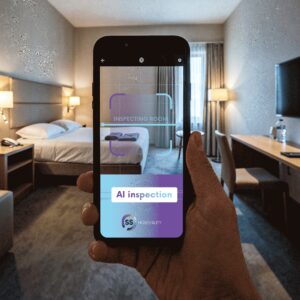
That operational focus has become increasingly valuable as hospitality businesses seek technology solutions that can deliver measurable efficiency gains rather than simply adding another software platform to an already crowded technology stack.
The company’s growth since the pandemic suggests that demand for these types of tools is increasing as businesses look for ways to do more with limited resources.
International Expansion Continues
OSS Systems has already expanded across Europe and Australasia and has begun deploying its technology in South Africa, with further international growth planned throughout 2026.
The expansion reflects growing demand for operational technology that can help hospitality businesses navigate a more challenging economic environment.
It also highlights how AI adoption is evolving. While much of the public conversation around artificial intelligence continues to focus on generative AI and consumer applications, many of the most immediate commercial opportunities are emerging in operational systems that help businesses manage people, processes and resources more effectively.
For hospitality operators, that could mean everything from smarter workforce planning to real-time visibility over staffing requirements and productivity levels.
The Next Phase Of Hospitality Technology
As AI continues to reshape industries, hospitality is increasingly becoming a testing ground for practical, operational applications of the technology.
OSS Systems is one example of how that trend is unfolding. Rather than building AI for its own sake, the company is focused on solving problems that hotels have faced for decades: staffing challenges, operational inefficiencies and rising costs.
Whether that approach helps it become a major player in hospitality technology remains to be seen. But its journey from spreadsheet to international AI platform is a reminder that some of the most successful technology businesses are not born from grand visions of disruption.
Sometimes they start with someone simply trying to solve a problem they encounter every day, and often, that’s how the best solutions are born.


