


Last year, Mark Zuckerberg wrote on what he referred to as “personal superintelligence”. Now Meta is committing billions of dollars to the computing power it says will turn that vision into reality.
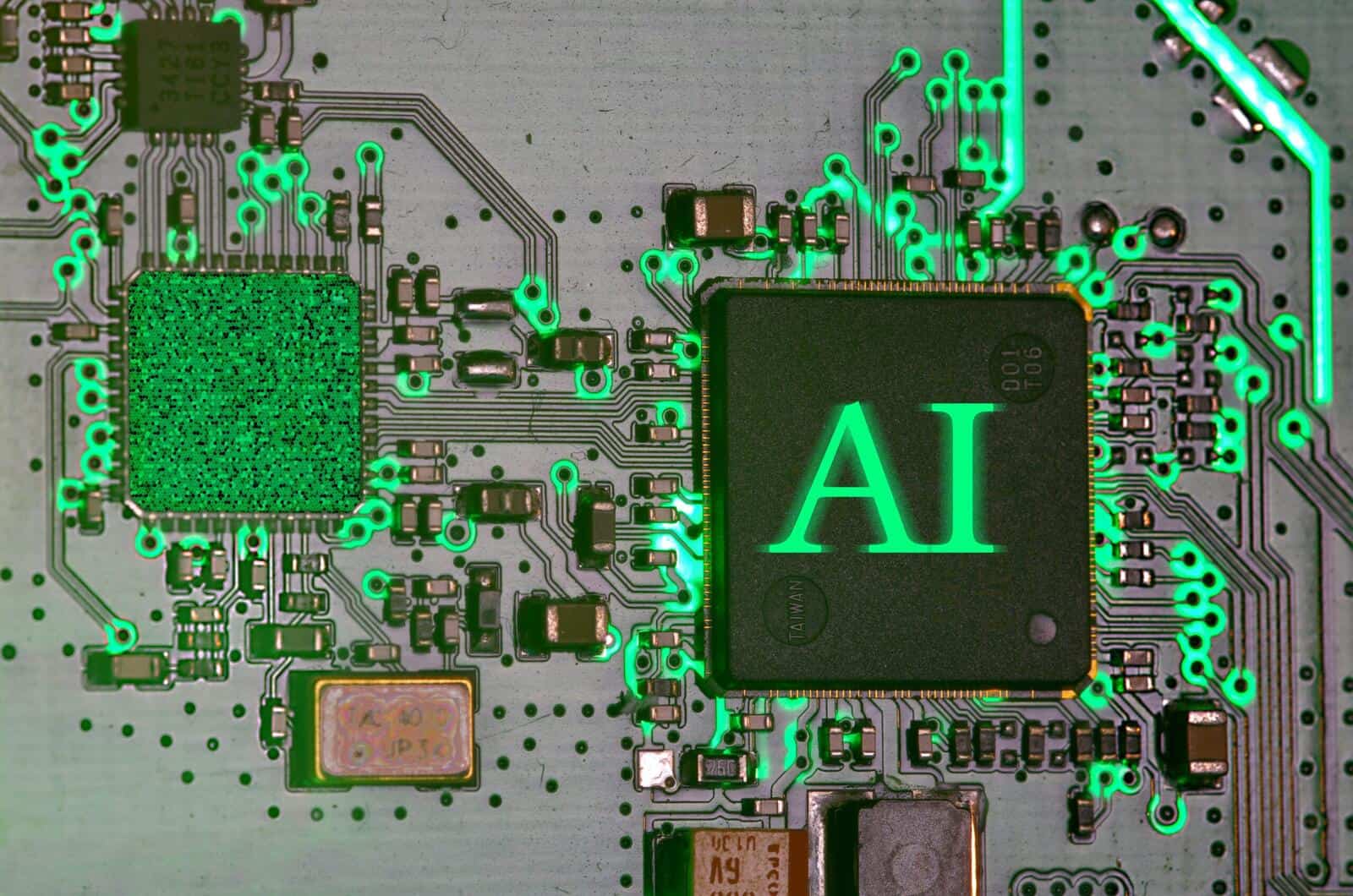
AMD and Meta said last week that they have signed a definitive multi year, multi generation deal that will see up to 6 gigawatts of AMD Instinct GPUs deployed across Meta’s AI infrastructure. The agreement expands their existing partnership and brings their chip design, systems engineering and software development plans into closer alignment.
The first phase uses a custom AMD Instinct GPU based on the MI450 architecture, designed to handle Meta’s workloads at scale. Shipments tied to the initial 1 gigawatt are scheduled to begin in the second half of 2026. The hardware stack will also feature 6th Gen AMD EPYC processors, codenamed Venice, running ROCm software and installed within the AMD Helios rack scale architecture that the two companies created through the Open Compute Project.
What Does The Ageement Mean?
Dr Lisa Su, chair and CEO of AMD, said, “We are proud to expand our strategic partnership with Meta as they push the boundaries of AI at unprecedented scale. This multi year, multi generation collaboration across Instinct GPUs, EPYC CPUs and rack scale AI systems aligns our roadmaps to deliver high performance, energy efficient infrastructure optimized for Meta’s workloads, accelerating one of the industry’s largest AI deployments and placing AMD at the center of the global AI buildout.”
As part of the agreement, AMD has issued Meta a performance based warrant for up to 160 million shares of AMD common stock. The first tranche vests with the initial 1 gigawatt of shipments, with further tranches tied to purchases scaling to 6 gigawatts, stock price thresholds and technical and commercial milestones.
Jean Hu, AMD’s EVP, CFO and treasurer, said, “We expect this partnership to drive substantial multi year revenue growth and be accretive to our non GAAP earnings per share, marking another significant step forward in delivering on our ambitious long term financial model. The performance based structure also tightly aligns AMD and Meta around execution and long term value creation.”
More from Artificial Intelligence
- Artists Will Now Have More Control Over What Appears On Their Spotify Profiles
- AI Has Already Changed How Coders Work – Now It Is Coming For The Rest Of Us
- How Is AI Helping University Graduates Find Jobs?
- Your Phone Calls Could Be Used By AI Voice Cloning Scammers – Here’s How To Stay Protected
- Meet Tokenmaxxing: The AI Status Game Taking Over Big Tech
- UK Businesses Are Taking The Global Lead As The Fastest AI Adopters – What Sets Them Apart?
- The Architecture Of Everything: What Jean-Claude Bastos’ New Podcast Conversation Reveals About Design, Efficiency And Limits Of AI
- The Hidden Bottleneck Of The AI Boom: Why Thermal Throttling Is Slowing Down Your GPUs
What Does Meta Mean By Personal Superintelligence?
In the post he published in the middle of last year, Zuckerberg spoke about how he saw superintelligence developing. He wrote, “Over the last few months we have begun to see glimpses of our AI systems improving themselves. The improvement is slow for now, but undeniable. Developing superintelligence is now in sight.”
He continued, “As profound as the abundance produced by AI may one day be, an even more meaningful impact on our lives will likely come from everyone having a personal superintelligence that helps you achieve your goals, create what you want to see in the world, experience any adventure, be a better friend to those you care about, and grow to become the person you aspire to be.”
Zuckerberg added, “Meta’s vision is to bring personal superintelligence to everyone. We believe in putting this power in people’s hands to direct it towards what they value in their own lives.” He also wrote that the rest of the decade “seems likely to be the decisive period for determining the path this technology will take, and whether superintelligence will be a tool for personal empowerment or a force focused on replacing large swaths of society.”
On the new agreement, he said, “We’re excited to form a long term partnership with AMD to deploy efficient inference compute and deliver personal superintelligence. This is an important step for Meta as we diversify our compute. I expect AMD to be an important partner for many years to come.”
Is There An Alternative To Hyperscale AI?
The scale of Meta’s commitment has attracted attention, with commentary describing it as up to $100B in chip deals in pursuit of what it calls personal superintelligence, adding that there is nothing personal about AI trained and served from hyperscale data centres.
Tether has taken a different direction through QVAC, an AI assistant under development. CEO Paolo Ardoino presented a public demo of the system, which then begins a new chapter in the company’s technology roadmap beyond stablecoins.
Ardoino presents QVAC as an assistant capable of running entirely on device without cloud processing. The system uses 100% local inference and reasoning, keeping data on users’ hardware. The demo showed QVAC performing tasks on a sub average laptop GPU and creating Asana tasks using Model Context Protocol integrations.
QVAC is designed to work across Linux, macOS, Windows, Android and iOS within a peer to peer framework. Ardoino also announced that QVAC will become open source, inviting developers to build integrations and extend its capabilities.
There clearly is a contrast as Meta is investing in gigawatt scale infrastructure powered by custom GPUs and new generation CPUs to deliver its vision. Tether is building software that runs locally on everyday devices. Both present their systems as empowering users. The direction the market takes over the rest of the decade will determine which model defines personal superintelligence.