


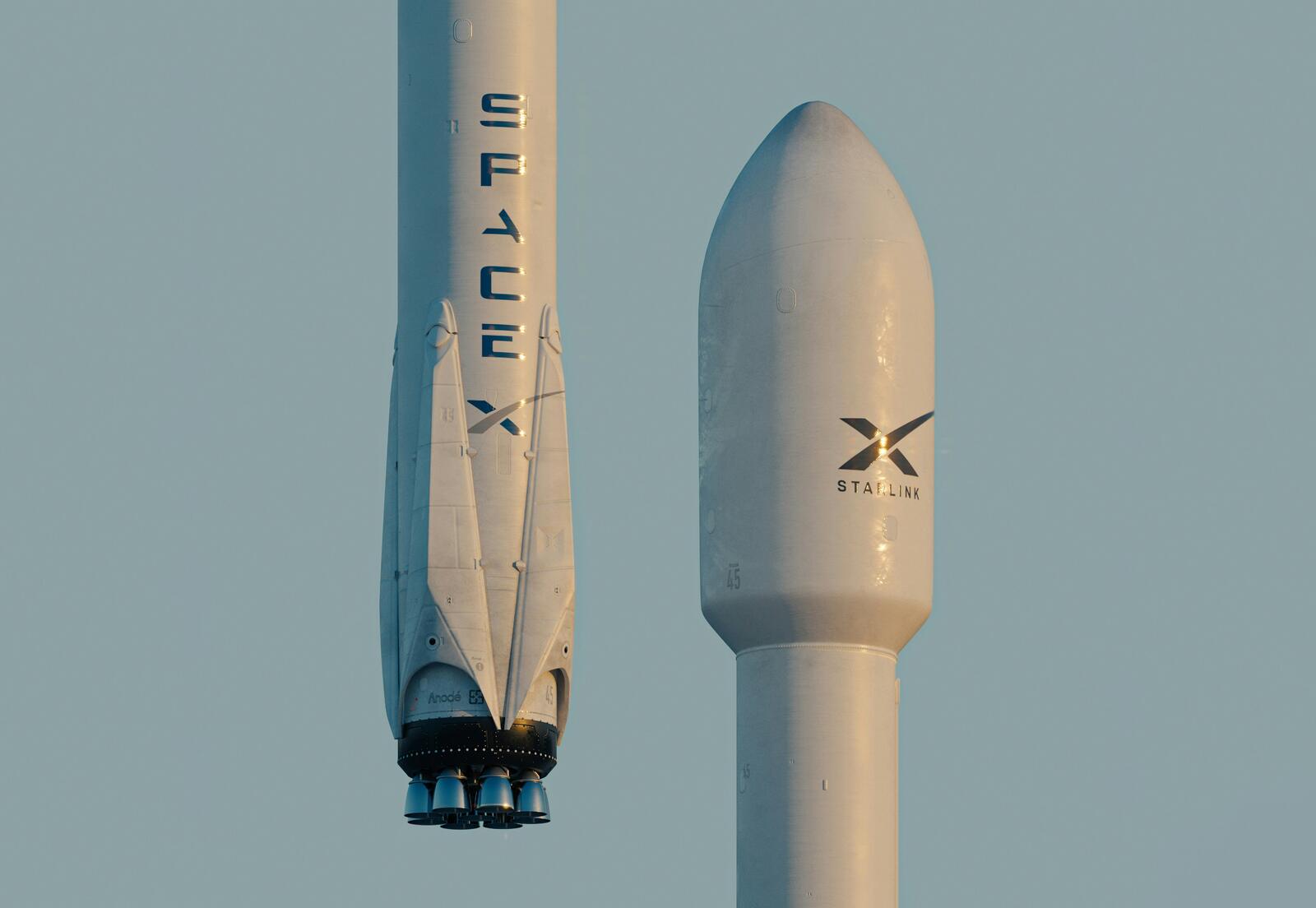
After the SpaceX news, many are asking: have AI companies brought the IPO trend back? This comes after Forbes reported that the company went public with a valuation just under $2 trillion. The listing made Elon Musk the world’s first trillionaire.
We’ve seen how AI companies are now receiving a lot more investor interest than they did a few years ago. OpenAI has filed an S-1 form and Anthropic has submitted paperwork to regulators. Those developments have made many wonder about which AI company could follow SpaceX onto public markets.
Public listings require more than high valuations because investors want revenue, paying customers and products that people use regularly. Those requirements are more important when companies command valuations worth hundreds of billions of dollars.
Are AI Companies Ready To Go Public?
Diego Martin, CEO of Yellow Capital, believes AI businesses are in a much different position from twelve months ago.
“Over the next couple of years, we can expect steady growth here because the sector is reaching a much more mature stage than it was even 12 months ago. Until recently, a lot of the excitement around AI was driven by future potential, but investors are now starting to see real businesses emerge with growing revenues, expanding customer bases, and products that are becoming part of everyday workflows.
“Of course, public markets still want to see strong fundamentals, but as more AI companies prove they can build sustainable businesses rather than simply ride the hype cycle, the IPO route becomes a much more realistic and attractive option.”
Investor discussions have become more commercial in nature. Revenue, customer retention and recurring income now receive much more scrutiny than product demonstrations alone.
Forbes reported that OpenAI is valued between $800 billion and $850 billion. The company is seeking a public valuation above $1 trillion.
More from Artificial Intelligence
- What Is AI Inference?
- Is AI Making It Easier To Build A Startup, Or Just More Difficult To Stand Out? The Experts Weigh In
- Beyond Headcount: How AI Is Changing The Way Businesses Plan Their Workforces
- Can AI Weather Models Accurately Predict Extreme Events Like El Niño?
- AI Was Supposed to Replace Us. Could Originality Be the One Thing It Can’t Compete With?
- The AI Governance Gap: Why Global Agreements Mean Little Without Corporate Action
- The Best AI-Native Gateways For Developer-First Teams In 2026
- What Does A Planned US “Freeze AI” Walkout Say About Public Attitudes Towards Big Tech?
OpenAI has not committed to a listing date, the company said, “We have not decided on timing yet. It may be a while because there are things we want to do that are likely easier as a private company. But it’s a complicated set of trade-offs, and this gives us the option to go public sooner if that ends up being best.”
Anthropic has also filed paperwork that could lead to a stock market debut. Forbes reported that the Claude developer confidentially submitted its S-1 filing on 1 June.
Has SpaceX Changed The IPO Market?
Many investors view SpaceX as an important marker for future IPO activity.
“The IPO parade, which now looks like it’s turning into a stampede, has been coming for a while. You could argue there were flickers of it as early as last year, but it never fully materialized into a broad wave of companies. SpaceX is going to be the bellwether,” said Mark Klein, CEO and president of SuRo Capital.
The SpaceX debut gives private companies a recent example of a highly valued business entering public markets successfully. Technology company executives will study the performance of the stock during the months following the launch.
Goldman Sachs expects around 100 IPOs during 2026, according to Forbes. That forecast signals a much busier market than investors experienced during recent years.
Klein believes certain companies could wait before pursuing a public listing.
“As you look at the IPO market going forward, there are a lot of companies that want to go public, but you may see some of the more important names wait and see what happens because so much capital is flowing to a handful of companies,” he said.
“I don’t think that takes smaller IPOs off the docket, but some of the more exciting larger offerings may end up happening in 2027.”
What Could Slow AI Listings?
History shows that highly anticipated IPOs can produce mixed outcomes.
Forbes referenced companies such as Lyft, Uber, Robinhood and WeWork. Each generated substantial investor interest before or during their listing periods. Their experiences after entering public markets differed considerably.
Jay Woods, chief strategist of Freedom Capital Markets, expects a familiar sequence after the SpaceX debut.
“What we’ve seen with many high-profile IPOs is an initial surge in price followed by a period where investors give some of those gains back. I think that’s the most likely scenario here as well,” he said.
“My concern is that retail investors who receive allocations may not take profits soon enough and could get hurt if the stock pulls back. More importantly, investors who missed the IPO may chase the stock in the secondary market after a significant run-up, and historically those investors tend to be the most vulnerable if momentum reverses.”
Public market investors scrutinise profitability and long term revenue growth far more intensely than private investors. Quarterly reporting requirements expose businesses to regular examination from shareholders and market participants.
AI listings look more likely today than they did a year ago. SpaceX has demonstrated that investors are willing to back highly valued private companies entering public markets. OpenAI, Anthropic and Databricks are the next companies that we will be seeing on the news when it comes to AI companies and IPOs.


