


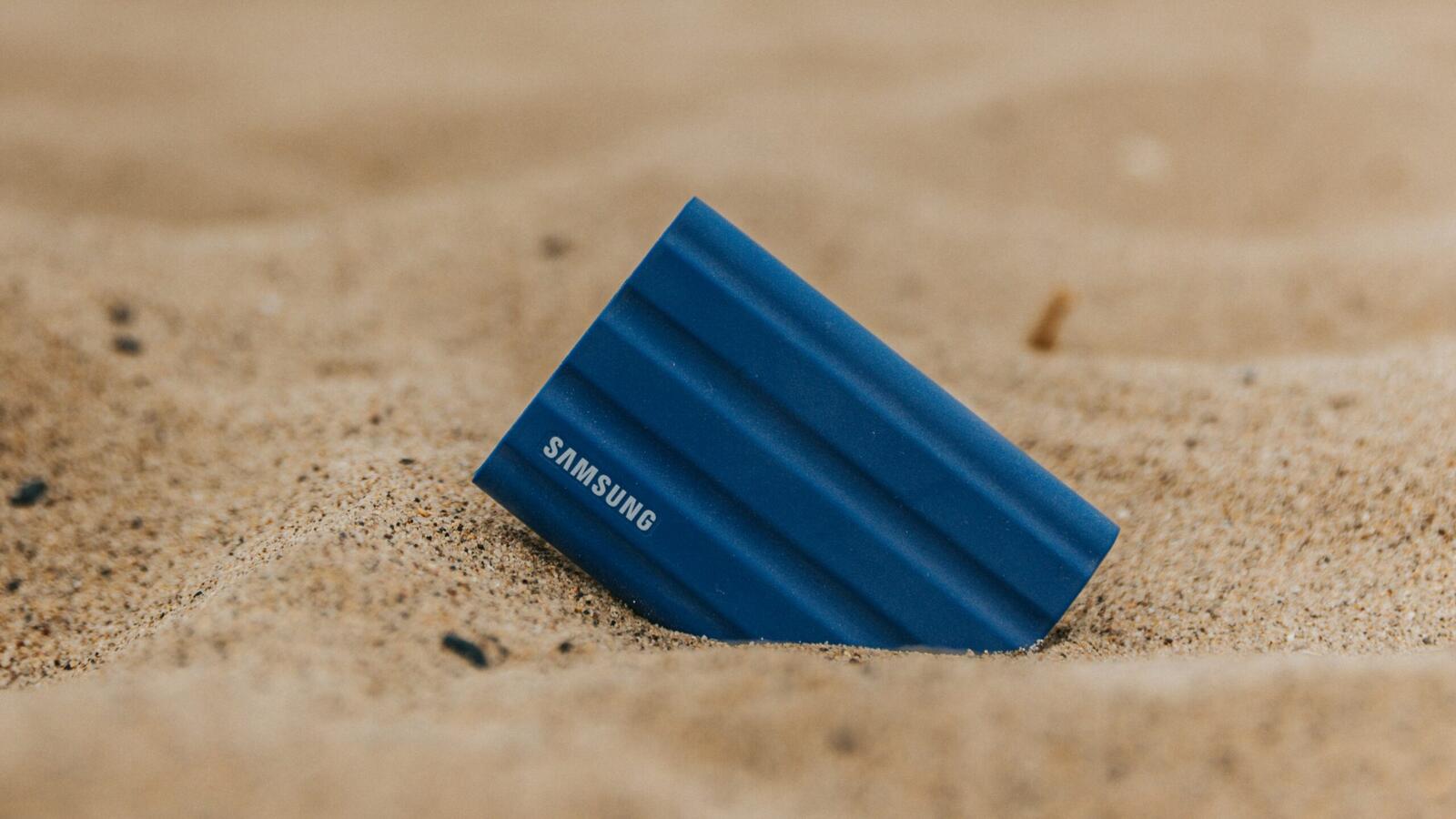
Just the other day we spoke about Apple’s plans to use Samsung for its chip production, and now, Samsung finally entered the $1 trillion club after a huge rally in its share price, with investors putting money into semiconductor companies connected to AI. CNBC reported that Samsung shares surged more than 15% in a single day, taking the company’s market value up to over $1 trillion. FactSet data showed Samsung first crossed that level on 26 February.
Samsung became only the second Asian company after Taiwan Semiconductor Manufacturing Company to reach that valuation. The rally also pushed South Korea’s Kospi index above 7,000 for the first time, helped by gains from Samsung and chipmaker SK Hynix.
The market reaction came after Samsung’s latest earnings report. The company announced first quarter operating profit of about $41 billion and revenue of around $96 billion. CNBC reported that Samsung’s operating profit for the quarter came in above its full year 2025 profit of about $31 billion.
Impact Newswire reported that Samsung’s share price has more than doubled this year. The publication said the company’s memory chip business has become one of the biggest beneficiaries of the global rush into AI hardware and data centres.
Why Are AI Chips Making So Much Money?
AI systems need huge amounts of memory and storage to process information. Samsung has benefited from rising demand for high bandwidth memory chips, known as HBM chips, which are used in AI servers and advanced computing systems.
Samsung announced in February that it had become “the world’s first firm to begin mass production of HBM4 chips and start deliveries to undisclosed customers”. HBM4 is the newest generation of high bandwidth memory technology and is expected to support Nvidia’s upcoming Vera Rubin AI systems.
Morningstar technology equity analyst Yu Jing Jie told CNBC, “There is a tremendous shortage in DRAM and NAND memory chips due to torrid AI demand, which is very memory hungry due to AI’s high bandwidth and storage needs.”
DRAM chips temporarily store data while processors actively use it, while NAND chips store data for longer periods even after devices are powered off. AI systems need large quantities of both.
Yu also told CNBC that new semiconductor factories take 2-3 years to start operating, meaning supply conditions are likely to stay tight for a while. Investors expect memory chip companies to continue making large profits during that period.
More from Artificial Intelligence
- What Is AI Inference?
- Is AI Making It Easier To Build A Startup, Or Just More Difficult To Stand Out? The Experts Weigh In
- Beyond Headcount: How AI Is Changing The Way Businesses Plan Their Workforces
- Can AI Weather Models Accurately Predict Extreme Events Like El Niño?
- AI Was Supposed to Replace Us. Could Originality Be the One Thing It Can’t Compete With?
- The AI Governance Gap: Why Global Agreements Mean Little Without Corporate Action
- The Best AI-Native Gateways For Developer-First Teams In 2026
- What Does A Planned US “Freeze AI” Walkout Say About Public Attitudes Towards Big Tech?
Can Samsung Catch SK Hynix In AI Memory?
Samsung lost its early lead in the HBM market to SK Hynix, which currently controls about 55% of the market, according to The Futurum Group. Samsung’s share stands at roughly 25%.
That gap has not stopped investors backing Samsung heavily this year. Rolf Bulk, head of semiconductor and infrastructure at The Futurum Group, said customer reactions to Samsung’s latest HBM4 products have been encouraging.
Bulk told CNBC that “customer feedback on Samsung’s latest HBM4 products has been positive”, adding that the products are helping Samsung narrow the technology gap with SK Hynix.
He also said investors are paying closer attention to Samsung’s traditional DRAM business because profitability there has recently overtaken HBM margins.
The talks with Apple and Intel could also help Apple reduce its dependence on TSMC.
What Happens To Chip Companies, Then?
The AI boom has transformed semiconductor companies into stocks that are being discussed and looked at most in global markets. Impact Newswire says that demand for AI infrastructure and cloud computing systems is expected to keep memory chip demand high over the next few years.
TSMC’s latest revenue report also showed how much money is flowing into chip manufacturing. TSMC announced April 2026 revenue of NT$410.73 billion, which is an increase of 17.5% from April last year. Revenue for January through April reached NT$1.54 trillion, according to the company.
Memory chips have really become more valuable during the AI race and Samsung’s next challenge will come from keeping production high enough to satisfy AI demand while continuing to compete against SK Hynix and TSMC.


