

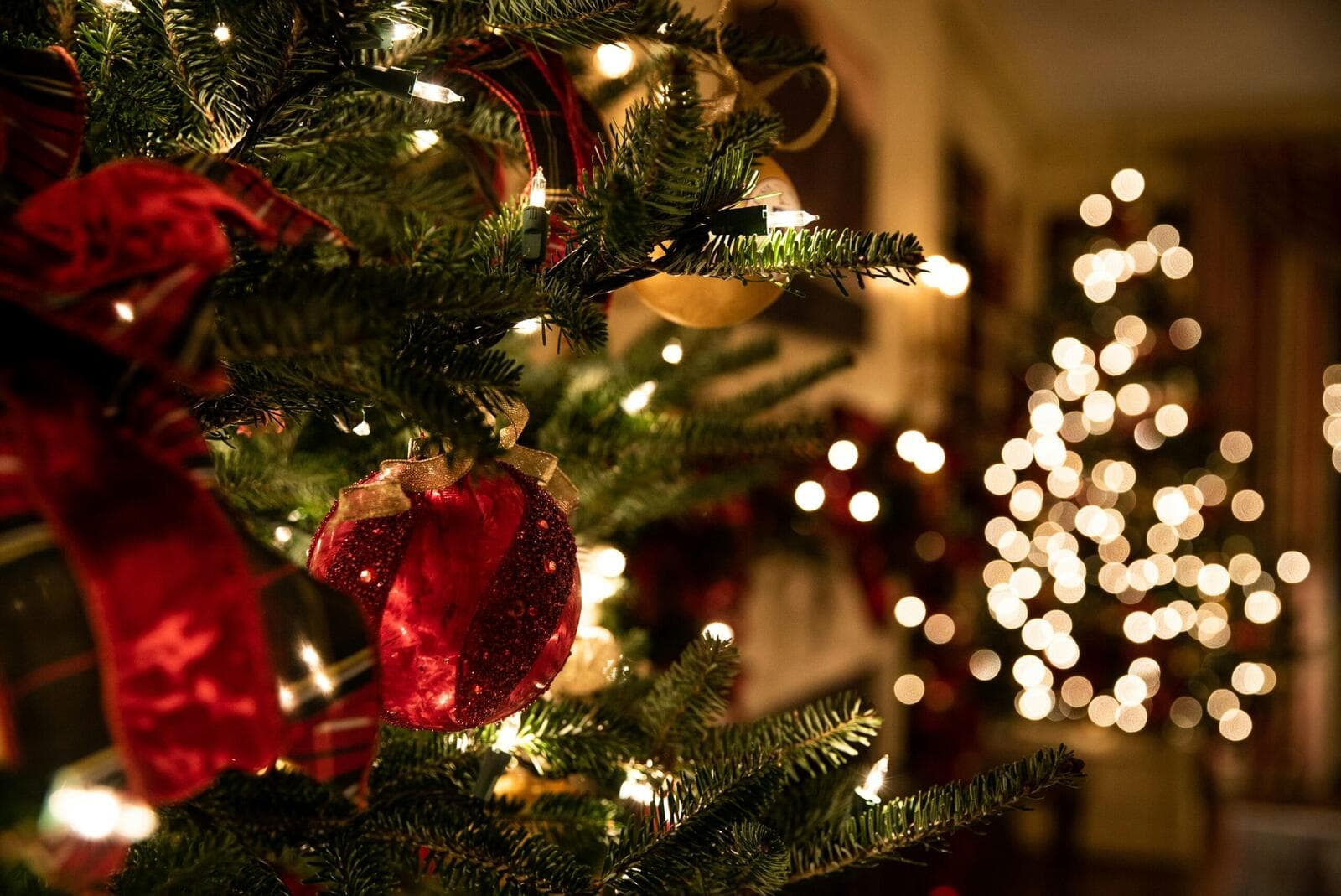
The festive season is well and truly upon us, with Christmas trees, tinsel and fairy lights littering the streets and Christmas carols filling our ears everywhere from restaurants to supermarkets. Thus, many business owners are getting in the festive spirit and splashing out on Christmas decorations.
Now, it’s no secret that tinsel, lights and other types of seasonal displays help lift spirits and create a warm, inviting atmosphere – especially during the busiest trading period of the year. But, a lesser-known question is now gaining traction – that is, could your festive décor actually reduce your tax bill?
According to tax and commercial property expert Chris Roberts, Managing Director of Capital Allowance Review Service, the answer is yes. But it’s not as simple as that, because this it’s only true under specific circumstances.
Understanding when a Christmas decoration is a legitimate business expense and when it strays into the realm of personal enjoyment is key to staying compliant with HMRC rules while still enjoying a beautifully decorated workspace.
What Counts as a Legitimate Festive Business Expense?
At the heart of HMRC’s approach to Christmas decor is the “wholly and exclusively” test. Decorations need to serve a genuine business purpose and not be mixed with personal benefit. As Roberts explains, “Business owners often don’t realise that Christmas decorations can qualify as tax-deductible expenses, provided they meet HMRC’s ‘wholly and exclusively’ test for business purposes.”
This means decorations must contribute to the customer experience, enhance your premises during a key trading period or support staff morale in a workplace setting. If a decoration is serving those functions – and crucially, only those functions – it may be deductible.
Chris Roberts highlights several common examples that usually qualify:
- Customer-facing displays in shop windows, restaurants, cafés, salons or reception areas
- Temporary seasonal items such as Christmas trees, wreaths, garlands, or table centrepieces used within business premises
- Staff welfare decorations in communal spaces like break rooms
- Promotional decorations tied to branding or festive marketing campaigns
As Roberts puts it, “HMRC looks at whether the decorations genuinely benefit your business operations.
For businesses in retail, hospitality or customer-facing sectors where atmosphere is part of what you’re selling, decorations that enhance that experience have a clear business purpose.”
But, he emphasises that the rules are strict: “The key test is always whether they’re used wholly and exclusively for the trade.”
More from Business
- Alternatives To Hotels.com
- The UAE Is Leaning On Tax Incentives Once Again, But Are Tax Breaks Still Enough To Hold Onto Startups?
- Industry Disrupted? Revolut Just Became A “Real Bank”, And Traditional Bankers Have A Lot To Say
- Turns Out, Bigger Isn’t Always Better – Here’s Why Lean Teams Are Outperforming Large Departments
- Should Businesses In The USA Freeze Credit In Light Of Iran Cyber Threat?
- What Is Hugging Face And How Does It Work?
- Crypto As Treasury: Innovation Or Financial Recklessness?
- 4 In 10 Women Think Financial Services Is Still A Boys’ Club – Is The Industry Changing Fast Enough?
Where HMRC Draws the Line
Not every bauble or fairy light will pass HMRC scrutiny. In fact, some purchases fall into categories that raise red flags, particularly if they appear to blur personal and business use.
Roberts notes that home office decorations are rarely eligible, especially when clients or staff never visit the space. “Dual-purpose” items – things like a high-end decoration that you intend to reuse at home at some point down the line – may also be disallowed or only partly deductible.
He cautions that the “HMRC takes a dim view of claims where there’s no genuine business use. If your business doesn’t involve selling ambience or atmosphere to customers, then decoration claims face much closer scrutiny.”
Extravagant spending can also, unsurprisingly, cause problems. A small office claiming thousands of pounds in festive décor is likely to attract questions, whereas a hotel or large hospitality venue has a clear business rationale for grander seasonal displays. It needs to be reasonable.
Getting Categorisation and Documentation Right
Correctly categorising festive spending can make all the difference. Most decorations fall under standard business expenses or office supplies – areas that are typically fully deductible. But, decorations tied to client entertainment or staff-only celebrations may fall under different tax categories and need more careful handling.
Roberts advises businesses to keep meticulous records. “Take a quick snap of your decorated shop window or festive office reception,” he suggests. “If HMRC asks why you claimed for a six-foot Christmas tree, a photo showing it in your customer waiting area makes your case instantly.”
He also recommends noting the business purpose of each purchase, ensuring the expense is proportionate to the size and nature of the business. For instance, it’s probably not reasonable for a small business operating out of a little stall to have a massive, six-foot Christmas tree worth hundreds of pounds.
Why Does Festive Décor Still Matter for Business?
Beyond the tax implications, Roberts made sure to stress the tangible commercial value of Christmas décor: “Festive decorations create an atmosphere that customers remember and staff appreciate. December is often the busiest trading period for a lot of businesses, and those twinkling lights and seasonal touches play a real role in drawing customers in and keeping teams motivated through long hours.”
The good news for businesses is that if it’s done right, this seasonal spending can be both impactful and tax-efficient.
“A well-decorated premises can boost sales, improve customer experience and lift staff spirits, all while reducing your tax bill,” Roberts says. “It’s all about being smart with your festive investment and understanding the rules.”