

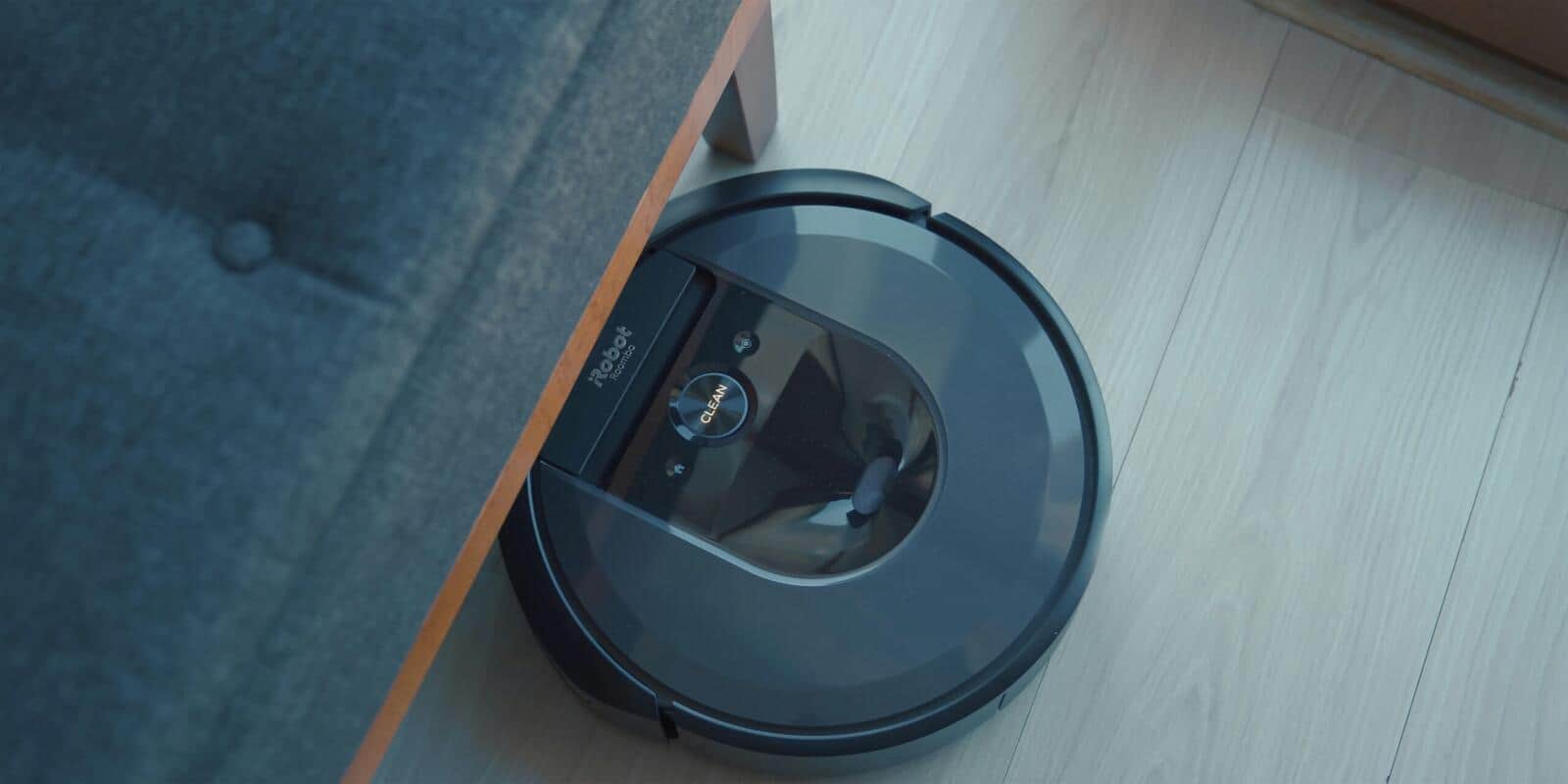
It was September 2002 when iRobot launched the first Roomba robot vacuum that would later change the game… The initial idea came from engineer Joe Jones, who began working on the concept in 1989 while at MIT. Early designs used basic sensors and random movement, yet they cleaned floors without human control, which caught public attention.
Sales began to grow as iRobot released new generations with stronger motors, better brushes and smarter navigation. Wikipedia records that Roomba models later gained room mapping, obstacle detection and phone app control. These upgrades helped Roomba move from a novelty item into an everyday appliance.
Over time, Roomba became the company’s main product. iRobot itself says it sold millions of robots worldwide. The brand name became closely tied to robot vacuum cleaners, often used as a general label for the category.
This long period of success shaped iRobot’s business. The company grew its reputation and revenue on Roomba, which worked well for many years while demand stayed high… Until it didn’t.
What Does The Rise And Fall Look Like On A Timeline?
After reading the Wikipedia page on the Roomba and its history, the rise and fall could easily be seen here…
1989
Joe Jones first develops the idea that becomes Roomba while working at MIT, according to Wikipedia.
1999
iRobot begins full development after receiving funding from S.C. Johnson. The product is first called DustPuppy.
September 2002
iRobot launches the first Roomba. Wikipedia mentioned that it actually later entered the National Museum of American History as the first successful home robot.
2007 to 2018
Roomba generations add docking stations, infrared sensors and later camera based navigation. Sales grow as models reach global markets.
2019 to 2024
Premium Roombas introduce self emptying docks, mopping and stronger suction.
More from Business
- Is Open Banking Still The Best Foundation For UK FinTech Startups?
- Netflix Raises Prices Again, Indicating The Rising Costs Of AI And Streaming Tech
- How Are VoIP Digital Phone Systems Saving Small Businesses Money?
- Is Remote Work Still Relevant For UK Businesses In 2026?
- Alternatives To Hotels.com
- The UAE Is Leaning On Tax Incentives Once Again, But Are Tax Breaks Still Enough To Hold Onto Startups?
- Industry Disrupted? Revolut Just Became A “Real Bank”, And Traditional Bankers Have A Lot To Say
- Turns Out, Bigger Isn’t Always Better – Here’s Why Lean Teams Are Outperforming Large Departments
Now, in present day, iRobot files for Chapter 11 bankruptcy in the United States and agrees to sell the company to Picea through a court supervised process.
Why Did iRobot File For Bankruptcy?
Wikipedia says iRobot no longer designs or manufactures its own robots and relies on outsourced products with its branding applied. It also says the research and development team was scaled back heavily. These changes reduced control over product direction.
At the same time, the product range grew crowded. Budget models, mid range units and high priced machines launched close together. Maintaining this lineup added financial pressure as costs climbed.
On Sunday, iRobot announced that it had voluntarily filed for Chapter 11 bankruptcy in Delaware. The company said this took place through a pre packaged court process linked to a sale agreement with its secured lender and main supplier, Picea.
iRobot also said common shareholders would receive no equity after the bankruptcy process. If the court approves the plan, all existing shares will be cancelled and investors will lose their entire holdings.
What Happens To Roomba After The Bankruptcy Filing?
iRobot said it will continue operating during the Chapter 11 bankruptcy process. The company expects no disruption to its apps, customer support or product servicing. It also said it will keep paying employees and suppliers as usual.
Once the court approves the sale, Picea will own 100% of iRobot. The company will become private and leave the Nasdaq stock exchange. iRobot says the deal will remove debt from its balance sheet.
Roomba will continue as a product under new ownership. After more than 20 years as the symbol of home robotics, the brand now moves forward under bankruptcy protection and a new corporate owner.
“Today’s announcement marks a pivotal milestone in securing iRobot’s long-term future,” said Gary Cohen, Chief Executive Officer, iRobot. “The transaction will strengthen our financial position and will help deliver continuity for our consumers, customers, and partners. Together, we will work to continue advancing the industry-leading Roomba robots and smart home technologies that have defined the iRobot brand for more than three decades. By combining iRobot’s innovation, consumer-driven design, and R&D with Picea’s history of innovation, manufacturing, and technical expertise, we believe iRobot will be well equipped to shape the next era of smart home robotics.”