


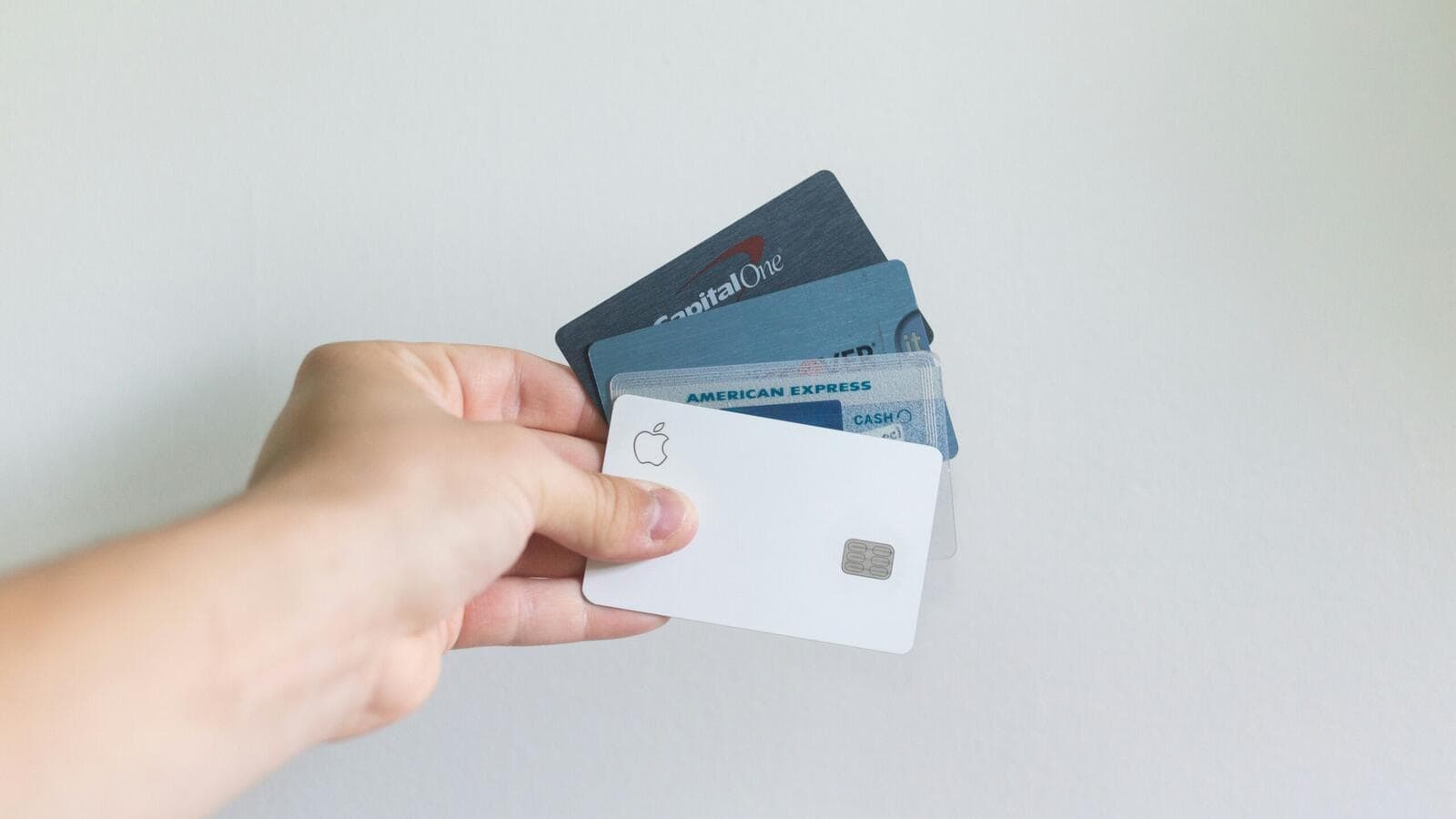
Geopolitical tensions are spilling into cyberspace, as many anticipated would happen amid the USA-Iran conflict, and as a result, businesses and individuals are beginning to reconsider their financial security strategies. Reports of potential cyber threats linked to Iran have prompted discussions across the US about whether freezing credit could be a sensible preventative measure.
But while the idea has gained a fair bit of traction online, cybersecurity and business experts suggest the reality is more nuanced than it may appear at the outset. A credit freeze can help mitigate some risks, but it still might not be the most practical solution for most businesses.
Instead, the conversation highlights a broader shift: there’s been a growing recognition that modern conflicts often extend far beyond traditional battlefields and into financial systems, digital infrastructure and corporate networks.
Here’s why Cyber Threats Are Becoming A Concern
Cyber operations linked to geopolitical tensions are not new, by any means, but their scope and sophistication have increased significantly in recent years. State-linked actors often target financial infrastructure, corporate data and digital systems as a way to disrupt economies or apply political pressure.
Of course, the other reason some countries go the cyber route is when they may not actually have the capacity to attack enemies on home soil.
This has led to a growing awareness among both businesses and consumers that financial security measures may need to evolve in response to emerging threats.
Jason Tassie, Founder of Know Your Business, says the discussion around freezing credit reflects a wider public understanding that cyber warfare is now part of modern conflict. “I think that calls for Americans to freeze their credit in response to potential Iranian cyberattacks reflects this increasing awareness for the public that conflict often extends into the financial system.
“Cyber operations targeting financial data, payment systems or credit infrastructure are a recognised tactic in state-linked cyber activity, so I think there is a threat and the concern is not entirely misplaced.”
While the threat landscape is real, Tassie notes that the practical impact of freezing credit may be limited for most businesses. “However, the reality for most businesses and individuals is that pre-emptively freezing credit is overkill. A credit freeze can reduce the risk of identity theft and fraudulent accounts being opened, but it can also create operational friction for companies that rely on credit checks or that are making financing arrangements. In other words, it protects against one specific risk while potentially slowing normal financial activity.”
The Case For Freezing Credit
Some experts argue that despite its limitations, freezing credit remains one of the simplest and most effective preventative measures individuals can take against financial identity theft.
Victoria Ustimenko, CEO at PRETO BUSINESS Corp., believes the increasingly complex cyber threat landscape means people should take stronger preventative steps.
“The digital world is now a central, decisive battlefield for wars as well. It is a domain where kinetic strikes are enabled and amplified by cyberattacks, and where the lines between war, crime and activism are permanently blurred. The threat landscape in early 2026 is characterised by a perfect storm of AI-powered attacks, a sprawling and vulnerable third-party ecosystem, and geopolitical tensions that are actively spilling over into the digital domain.”
In this environment, she argues that freezing credit can serve as a practical first line of defence. “This environment makes freezing your credit a highly practical and strongly recommended first line of defense. Freezing your credit is not only practical but is widely considered the single most impactful step an individual can take to protect themselves from financial identity theft.”
Ustimenko adds that the measure essentially blocks criminals from opening new credit accounts even if they manage to obtain personal information.
“Think of it as locking the front door to your financial identity. A credit freeze (also known as a security freeze) restricts access to your credit report. Since most lenders require access to your credit report to approve a new account, a freeze prevents criminals from opening credit cards, loans, or other accounts in your name, even if they have your Social Security number.”
More from Business
- Is Open Banking Still The Best Foundation For UK FinTech Startups?
- Netflix Raises Prices Again, Indicating The Rising Costs Of AI And Streaming Tech
- How Are VoIP Digital Phone Systems Saving Small Businesses Money?
- Is Remote Work Still Relevant For UK Businesses In 2026?
- Alternatives To Hotels.com
- The UAE Is Leaning On Tax Incentives Once Again, But Are Tax Breaks Still Enough To Hold Onto Startups?
- Industry Disrupted? Revolut Just Became A “Real Bank”, And Traditional Bankers Have A Lot To Say
- Turns Out, Bigger Isn’t Always Better – Here’s Why Lean Teams Are Outperforming Large Departments
But a Credit Freeze Only Solves Part of the Problem
Other experts warn that focusing solely on credit freezes risks overlooking the broader cybersecurity challenges facing both individuals and organisations.
Syed Asif Ali, Founder of Point Media and Pointika, explains that a credit freeze only addresses a very specific type of cybercrime.
“Freezing your credit can be a useful precaution, but it’s important to understand what problem it actually solves. A credit freeze primarily protects individuals from identity theft where someone attempts to open new credit accounts using stolen personal information. It does not prevent phishing attacks, account takeovers, payment fraud, or breaches that target existing financial accounts.”
Instead, he says people should think about cybersecurity as a layered defence system rather than relying on a single action. “During periods of geopolitical tension and heightened cyber activity, consumers should think in terms of layered protection rather than a single defensive step. For people who suspect their personal data may already be exposed, freezing credit can be a sensible safeguard.”
For businesses in particular, he believes the focus should extend far beyond individual financial protections. Indeed, “for businesses, the focus should be even broader: access controls, vendor security checks, incident response readiness and employee awareness training often reduce risk far more effectively than symbolic defensive actions.”
The Solution? A Balanced Approach to Cybersecurity
Ultimately, the question of whether businesses should freeze credit highlights a broader challenge in modern cybersecurity: balancing precaution with practicality.
Credit freezes may offer an additional layer of protection for individuals concerned about identity theft. However, experts generally agree that they are not a comprehensive solution to the evolving cyber threats associated with geopolitical conflict.
Instead, stronger cyber hygiene – including robust authentication systems, active monitoring of financial accounts and improved internal security practices – remains the most effective way for businesses to protect themselves in an increasingly digital battlefield.
Our Experts:
- Jason Tassie: Founder of Know Your Business
- Victoria Ustimenko: CEO at PRETO BUSINESS Corp.
- Syed Asif Ali: Founder, Point Media and Pointika
Jason Tassie, Founder of Know Your Business

“I think that calls for Americans to freeze their credit in response to potential Iranian cyberattacks reflects this increasing awareness for the public that conflict often extends into the financial system.
“Cyber operations targeting financial data, payment systems or credit infrastructure are a recognised tactic in state-linked cyber activity, so I think there is a threat and the concern is not entirely misplaced.
“However, the reality for most businesses and individuals is that pre-emptively freezing credit is overkill. A credit freeze can reduce the risk of identity theft and fraudulent accounts being opened, but it can also create operational friction for companies that rely on credit checks or that are making financing arrangements. In other words, it protects against one specific risk while potentially slowing normal financial activity.
“A more balanced response is stronger cyber hygiene: monitoring financial accounts closely, strengthening authentication systems, ensuring financial data security and maintaining active credit monitoring. Freezing credit can be useful in specific cases but it shouldn’t replace broader cybersecurity and financial risk management.”
Victoria Ustimenko, CEO at PRETO BUSINESS Corp.

“The digital world is now a central, decisive battlefield for wars as well. It is a domain where kinetic strikes are enabled and amplified by cyberattacks, and where the lines between war, crime, and activism are permanently blurred. The threat landscape in early 2026 is characterised by a perfect storm of AI-powered attacks, a sprawling and vulnerable third-party ecosystem, and geopolitical tensions that are actively spilling over into the digital domain.
“This environment makes freezing your credit a highly practical and strongly recommended first line of defense. Freezing your credit is not only practical but is widely considered the single most impactful step an individual can take to protect themselves from financial identity theft.
“Think of it as locking the front door to your financial identity. A credit freeze (also known as a security freeze) restricts access to your credit report. Since most lenders require access to your credit report to approve a new account, a freeze prevents criminals from opening credit cards, loans, or other accounts in your name, even if they have your Social Security number.”
Syed Asif Ali, Founder, Point Media and Pointika

“Freezing your credit can be a useful precaution, but it’s important to understand what problem it actually solves. A credit freeze primarily protects individuals from identity theft where someone attempts to open new credit accounts using stolen personal information. It does not prevent phishing attacks, account takeovers, payment fraud, or breaches that target existing financial accounts.
“During periods of geopolitical tension and heightened cyber activity, consumers should think in terms of layered protection rather than a single defensive step. For people who suspect their personal data may already be exposed, freezing credit can be a sensible safeguard. However, the more critical protections are enabling multi-factor authentication on financial accounts, using strong password management, monitoring credit reports regularly, and staying alert to social engineering attempts.
“For businesses, the focus should be even broader: access controls, vendor security checks, incident response readiness, and employee awareness training often reduce risk far more effectively than symbolic defensive actions.”
For any questions, comments or features, please contact us directly.