


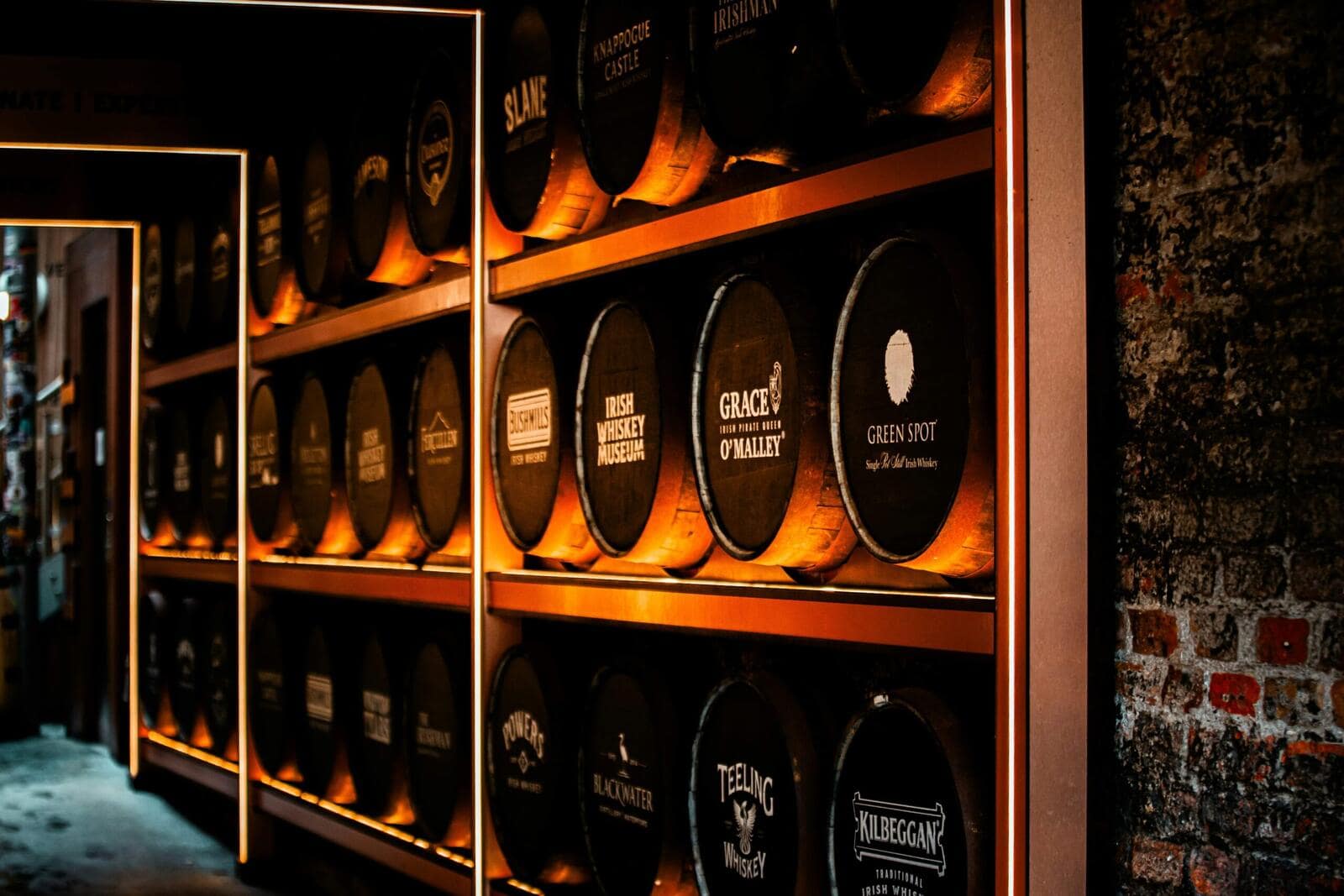
For generations, investors looking to diversify beyond stocks and shares have turned to gold, property, and fine art. But a new contender is quietly making its way into investment portfolios around the world, and it comes in a cask. Whisky, once considered little more than a drink to be savoured, is now being recognised as a serious alternative asset class, attracting the attention of seasoned investors and first-time buyers alike.
The appeal is straightforward. In an era of rising inflation, market volatility, and dwindling returns on traditional savings, people are looking for assets that hold their value, grow steadily over time, and offer something that stocks and bonds simply cannot. Whisky ticks every one of those boxes. As a cask matures, its contents become rarer and more valuable, and global demand for premium whisky shows no signs of slowing down.
Is There a Real Demand for Whisky?
Global sales of whisky have increased dramatically. For example, Irish whisky now ranks among the fastest-growing spirits categories in the world. The demand for whisky isn’t just a trend; it reflects a strong global demand, and it is expected to continue. As the demand increases, cask values will rise, which makes it a good asset for investors looking for something new.
Is Whisky a More Secure Investment?
Since whisky is a physical product, not like stocks, investors can track their whisky’s ageing process, visit their casks, and bottle their own whisky. Having a physical asset like a cask offers psychological security. This is because the casks are immune to any sudden tech crashes, they can’t be hacked or erased, and it has a built-in scarcity.
Is Whisky Considered a Good Investment?
Whisky is considered a good investment since whisky cask investments usually yield returns of 8–15% annually over a period of 5–10 years in the UK. However, this is only after accounting for expenses such as storage, insurance, and duty. The returns fluctuate based on the distillery, cask type, age, and method of sale. While it’s not assured, a lot of investors perceive robust long-term growth
More from Business
- Is Open Banking Still The Best Foundation For UK FinTech Startups?
- Netflix Raises Prices Again, Indicating The Rising Costs Of AI And Streaming Tech
- How Are VoIP Digital Phone Systems Saving Small Businesses Money?
- Is Remote Work Still Relevant For UK Businesses In 2026?
- Alternatives To Hotels.com
- The UAE Is Leaning On Tax Incentives Once Again, But Are Tax Breaks Still Enough To Hold Onto Startups?
- Industry Disrupted? Revolut Just Became A “Real Bank”, And Traditional Bankers Have A Lot To Say
- Turns Out, Bigger Isn’t Always Better – Here’s Why Lean Teams Are Outperforming Large Departments
Why are Investors Turning to Whisky?
With inflation rising, investors are looking for other ways to make their money work for them, and whisky is becoming a popular choice to do exactly that. Here are some of the main reasons why investors are turning to whisky:
Asset-Backed Investment
As whisky’s performance continues to exceed inflation rates, the allure of asset-backed, insured investments has grown for investors. Whisky constitutes an asset-backed investment, allowing it to be insured against losses from theft or other forms of damage. This renders it a more secure choice compared to conventional investments like stocks and shares.
Inflation Proof
The main motivation for whisky investment is that it is a physical asset whose value appreciates with time. In contrast to funds in savings accounts, where the interest rate fails to keep pace with inflation, resulting in a year-on-year depreciation of your money, whisky maintains or even appreciates its value over time. Whiskies that are aged and come from well-regarded distilleries will not only hold their value during economic slumps, but they can also see a considerable increase in value over time.
Good Return on Investment
Investing in whisky can yield a good return on investment (ROI) due to factors like limited supply, the scarcity of certain casks, and growing global demand.
What Should I Look for When Investing in Whisky?
Before you dive into the world of whisky investment, it’s important that you partner with a reliable provider. Look for businesses that work directly with a reputabletable and established distilleries. They should also offer fully insured casks, provide transparent strategies, and be licensed and registered appropriately.
Why Do People Invest in Whisky?
Whisky is viewed as an alternative investment, where the potential for higher returns surpasses that of conventional investment methods. Nonetheless, the greater the potential return, the greater the risk. Cask whisky, as an entity, naturally increases in value with age over time.