


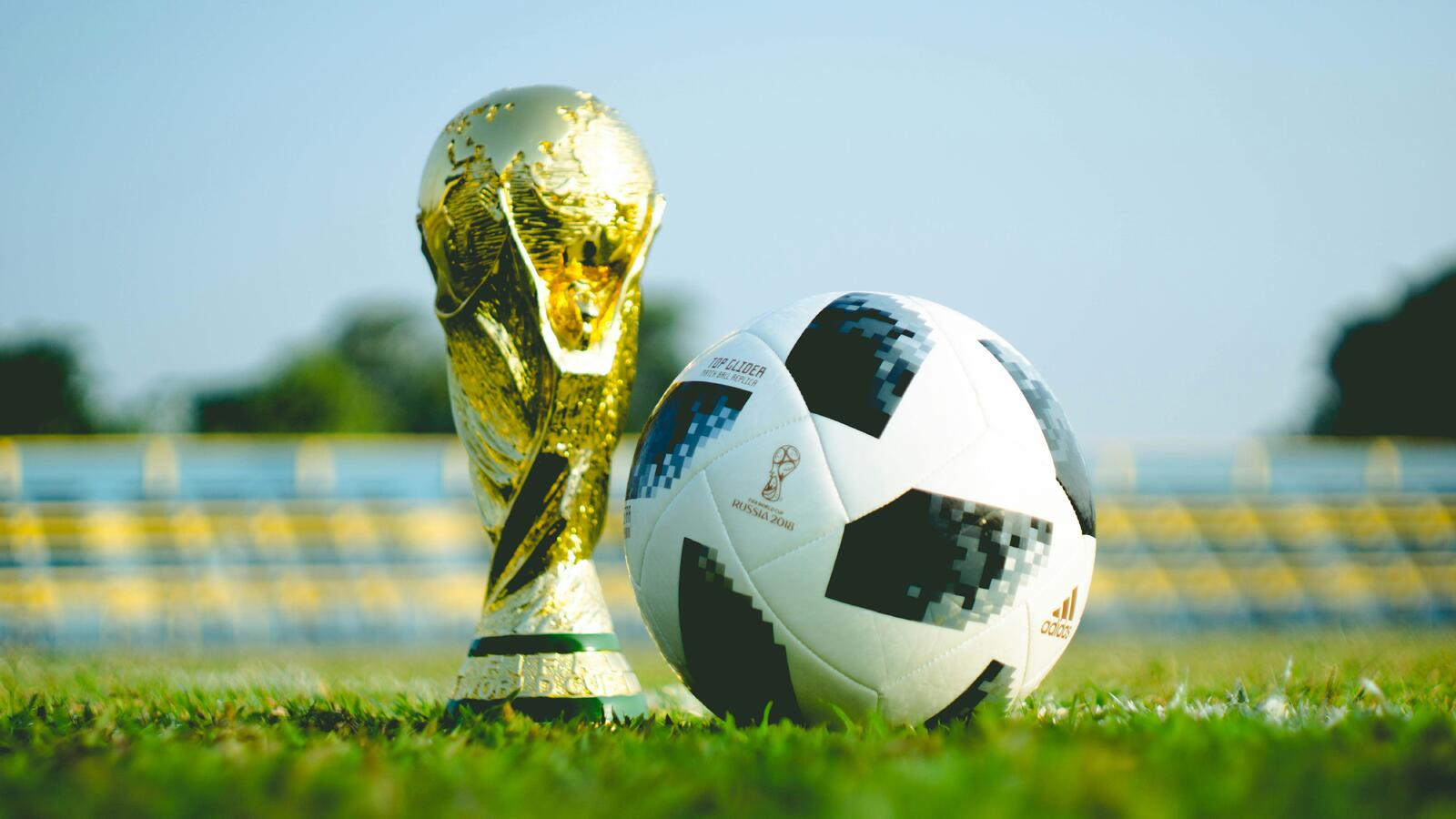
The 2026 FIFA World Cup is cooking up one of the busiest marketing opportunities of the year with 53% of UK brands on Klaviyo’s European Cultural Moments Marketing Report saying they will be running campaigns around the tournament. Also, 88% of brands plan to increase marketing spending to make the most of the competition, with 54% who will be taking up spending by more than a fifth.
Marketers see events such as the World Cup as a rare chance to try new ideas. According to Klaviyo, 72% of UK marketers say cultural moments such as the World Cup give them more creative freedom than any other time of the year.
Many brands are already familiar with sports marketing. Klaviyo found that 77% had activated campaigns around sporting events during the previous 12 months. This summer, discounts will feature in 61% of campaigns, curated collections in 48%, and reactive fan content in 37%.
Klaviyo found that 42% of marketers plan to react to major moments within six hours, while 40% say their most successful World Cup campaigns launch within one to three days of an event happening. Social media is expected to be the main channel, with 58% saying it dominates cultural moment marketing.
Jamie Domenici, Chief Marketing Officer at Klaviyo, said, “This summer is going to be one of the most competitive marketing moments we’ve seen in years. Brands globally are showing up for the World Cup, and when everyone’s in the market, budget alone doesn’t cut it. What does is how quickly and how personally you can respond to the moments that genuinely move people. A shock result. An underdog story. Those cut through because they’re real and campaigns that tap into that, rather than just riding the hype, are the ones that actually land. That’s not just true of sport.”
But with big events like these, there’s an issue businesses should also take note of, and that is cyber crime.
Why Do Cyber Criminals Love Major Sporting Events?
Criminals see opportunities wherever large audiences gather, and few events attract attention on the scale of a FIFA World Cup.
Matt Hull, VP of Cyber Intelligence and Response at NCC Group, said, “Major sporting events are prime targets for cyber criminals because they combine global attention, emotional engagement, and huge digital dependency. This creates opportunities for everyone from financially motivated criminals to hacktivist groups looking for visibility.”
The World Cup stretches across countries, platforms, broadcasters, sponsors, ticketing systems, travel providers and millions of connected fans. Every one of those areas creates opportunities for criminals looking to trick people or gain unauthorised access to accounts and systems.
More from Cybersecurity
- Part 2: What Is One Piece Of Cybersecurity Advice Every Business Should Follow? Experts Weigh In
- What Is One Piece Of Cybersecurity Advice Every Business Should Follow? Experts Weigh In
- Could AI Be Creating Security Risks That Traditional Cybersecurity Misses?
- Experts Comment: Meta’s Muse Can Collect 31 Types Of Personal Data – Should You Be Worried?
- Cybersecurity Awareness Starts With People: Why Businesses Must Keep Humans In The Loop
- ASOS Customers Received A “Hacked” Alert In Their App – What Should Businesses Do When Attackers Go Public?
- Is Cybersecurity Becoming A Barrier To Startup Innovation? Experts Weigh In
- Cybersecurity Awareness Month: Is AI Phishing Making Awareness Training Obsolete?
Hull also said, “It would be speculative to directly connect participating nations to cyber activity simply because teams or players are physically present – especially as a country doesn’t need to be competing in the tournament to pose a cyber risk. Cyber operations aren’t limited by geography, but equally, not every incident linked to the World Cup will be state-backed. Most are likely to be opportunistic or criminal in nature, and the more credible concern is the wider geopolitical threat environment surrounding a globally significant event hosted in the US.”
What Kinds Of Attacks Happen Around Tournaments?
The attacks often start with something that looks pretty normal – emails, text messages, social media posts and websites can all be used to trick fans into handing over personal information. Criminals often take advantage of excitement around tickets, merch and match updates.
Hull said, “The biggest risks are likely to be engineering campaigns such as phishing, credential theft, ticket scams, brand impersonation, and payment fraud. Major global events create opportune conditions for social engineering because people are more likely to trust communications and act quickly under pressure.”
Hacktivist groups can also use the spotlight surrounding major events to attract attention to their causes.
According to Hull, “Hacktivist activity is also a persistent concern, particularly disruptive attacks like website defacements and distributed denial of service (DDoS) campaigns designed to generate attention during high-profile moments.”
That means organisations working with the tournament may face threats from different directions at once, ranging from criminals wanting money to groups wanting publicity.
Could The 2026 World Cup Become A Cyber Crime Magnet?
The scale of the tournament makes it a perfect target for criminals. Think about it: the 2026 competition will be one of the biggest World Cups ever staged and will generate tonnes of online activity. Marketing teams are planning real time campaigns, brands are investing a lot into digital engagement and fans will spend weeks interacting with online platforms.
AI is expected to make marketing activity even faster. Klaviyo found that 88% of marketers plan to use AI for summer sporting campaigns, while 50% feel positive about so called “vibe marketing”, where AI can generate campaigns from simple prompts using a brand’s own data.
Domenici said, “I’m excited to see how brands use AI this summer to jump on sports cultural moments, push their creativity and connect with people in ways that feel authentic. For the first time, marketers have the tools to tap into a moment that happened only an hour ago and turn it into a personalised, on-brand campaign at a speed we’ve genuinely never seen before.”
That rise in digital activity is one of the reasons cybersecurity teams will be locking in and making sure things go as smoothly as possible.
Hull said, “The 2026 World Cup could become one of the most targeted sporting events we’ve seen from a cyber perspective – simply because of its scale, visibility, and digital footprint. In many cases, new tactics aren’t impacting the threat, but it could be increased by faster exploitation of existing weaknesses, and ongoing geopolitical tensions that the US is directly involved in.”


