


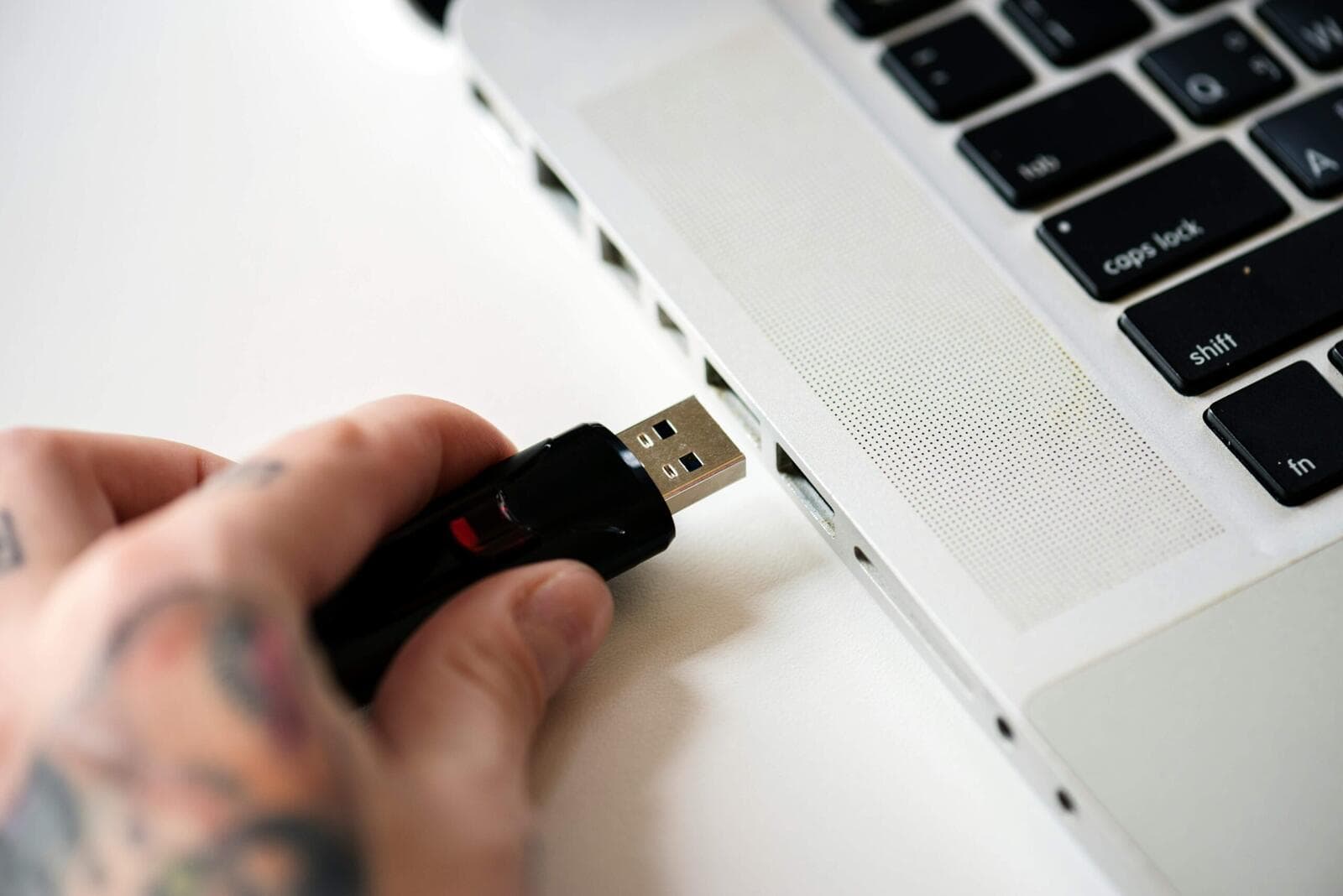
In today’s digital age, USB devices have become ubiquitous in professional environments, serving as essential tools for data transfer and storage. However, these seemingly innocuous devices harbour hidden dangers that can compromise the cybersecurity of organisations. Understanding the potential threats posed by USB devices and implementing robust security measures is crucial for safeguarding sensitive information.
Understanding USB Threats
USB devices, while convenient, can be vectors for a range of cybersecurity threats. One of the most common risks is malware infection. Malicious software can be easily transferred via USB devices, infiltrating a network and causing widespread damage. Malware can range from viruses and worms to ransomware, each capable of disrupting operations and leading to significant financial losses.
Another critical threat is data breaches. USB devices often store sensitive information, and if lost or stolen, this data can fall into the wrong hands. This risk is particularly pronounced in sectors handling confidential information, such as defence and government agencies. The implications of a data breach can be severe, including legal repercussions and damage to an organisation’s reputation.
Cyber Attacks And USB Devices
USB devices can also be used as tools for targeted cyber attacks. Cybercriminals may distribute infected USB sticks in public places, hoping unsuspecting individuals will plug them into their computers, thereby granting access to the network. This method, known as “USB drop attacks,” exploits human curiosity and can lead to significant security breaches.
Moreover, USB devices can be used to bypass network security measures.
Once connected to a computer, a malicious USB device can execute scripts that compromise the system’s security settings, providing attackers with unauthorised access to the network. This highlights the importance of implementing stringent security protocols to mitigate such risks.
More from Cybersecurity
- External Attack Surface Management And Why It Matters For Startups
- SpyCloud’s 2026 Identity Exposure Report Reveals Explosion Of Non-Human Identity Theft
- The Aura Data Breach Exposed 900,000 Users – Here Is What Every Business Needs To Know
- How AI And Hacking Professionalism Are Overwhelming Endpoint Security
- VCs Investing In Cybersecurity In 2026
- CredShields Contributes to OWASP’s 2026 Smart Contract Security Priorities
- MomentProof Deploys Patented Digital Asset Protection
- One Identity Unveils Major Upgrade To Identity Manager, Strengthening Enterprise Identity Security
Data Protection Strategies
To combat these threats, organisations must adopt comprehensive data protection strategies. One effective measure is the implementation of endpoint security solutions. These solutions monitor and control USB ports, preventing unauthorised devices from connecting to the network. By restricting access to approved devices only, organisations can significantly reduce the risk of malware infections and data breaches.
Another crucial strategy is the use of encryption. Encrypting data stored on USB devices ensures that even if the device is lost or stolen, the information remains secure. Encryption converts data into a code that can only be accessed with the correct decryption key, providing an additional layer of security.
Practical Tips For USB Cybersecurity
Organisations can enhance their USB cybersecurity by implementing several practical measures. Firstly, conducting regular security audits can help identify vulnerabilities in the network and address them promptly. These audits should include a review of USB device usage and the implementation of security policies.
Secondly, educating employees about the risks associated with USB devices is crucial. Training sessions can raise awareness about the potential threats and teach employees how to handle USB devices securely. This includes advising against using unknown USB devices and encouraging the use of company-approved devices only.
Finally, organisations should consider investing in specialised solutions, such as USB decontamination tools. These tools can scan and clean USB devices before they are connected to the network, ensuring they are free from malware and other threats.
In conclusion, while USB devices are invaluable tools in the modern workspace, they pose significant cybersecurity risks that cannot be overlooked. By understanding the threats associated with USB devices and implementing robust security measures, organisations can protect their sensitive information and maintain the integrity of their networks.
From adopting endpoint security solutions to educating employees and investing in USB decontamination tools, there are numerous strategies available to enhance USB cybersecurity. As the digital landscape continues to evolve, staying vigilant and proactive in addressing these hidden dangers is essential for safeguarding the future of any organisation.