


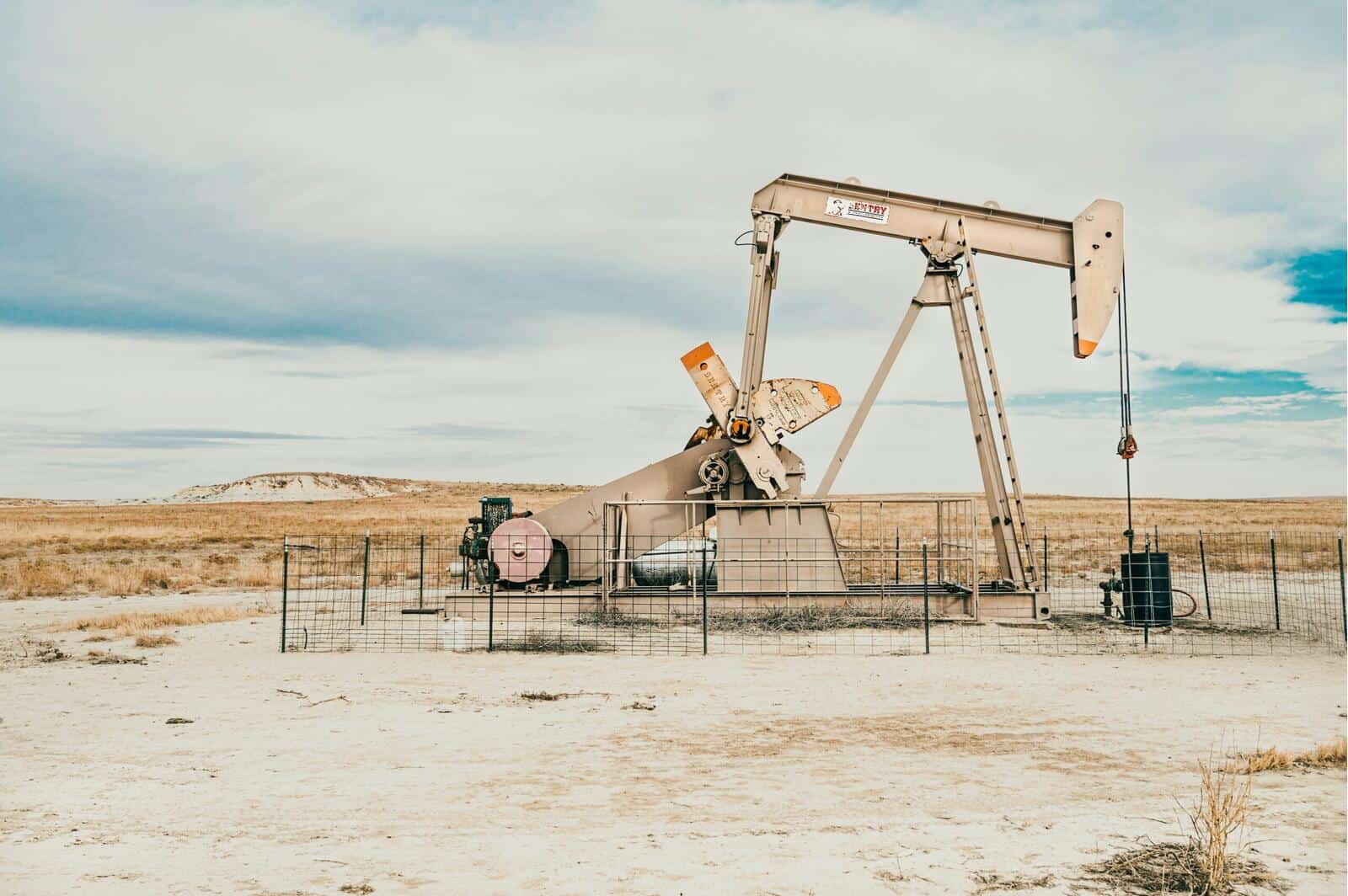
Fracking, short for hydraulic fracturing, is one of the most widely discussed and debated technologies in the modern energy industry. Supporters argue that it’s helped unlock vast reserves of oil and natural gas, boosting energy security and lowering costs. Critics, however, raise concerns about its environmental impact and the long-term implications for climate change.
But, before getting into the controversy, it helps to understand the basics: what exactly is fracking, and how does it work?
What Is Fracking?
Hydraulic fracturing is a technique used to extract oil and natural gas trapped deep underground inside dense rock formations, particularly shale. These resources are often locked within rock layers that are too tight for oil or gas to flow through naturally.
Fracking solves this problem by using high-pressure fluid to crack open the rock, creating pathways that allow oil and gas to travel into a well and be brought to the surface.
While the concept of fracturing rock to extract resources has existed since the 1940s, modern fracking only became widespread in the late 1990s and early 2000s. The breakthrough came when energy companies combined hydraulic fracturing with horizontal drilling, dramatically increasing the amount of oil and gas that could be recovered.
More from Guides
- What Are Plug-In Solar Panels And How Do They Work?
- Top Biotech Companies to Watch
- What Is Data Sovereignty?
- 10 Amazing Features Of A Smart Stadium
- How Tech Startups Are Solving Water Scarcity
- Top Alternatives To Booking.com For Accommodation And Travel
- Top Alternatives To Expedia For Travellers
- How To Freeze Business Credit (And Should You?)
Drilling the Well
The first stage of fracking involves drilling a well deep into the earth. In many cases, the well can extend around a mile underground before reaching the layer of rock that contains oil or gas.
Once the drill reaches this layer, it often turns horizontally and continues drilling through the rock formation. This horizontal section allows companies to access a much larger area of the resource layer than a vertical well alone.
To protect the surrounding groundwater and rock layers, the well is reinforced with steel pipes known as casing. Cement is then pumped around the casing to seal the well and prevent leaks.
Perforating the Rock
Once the well has been drilled and reinforced, the next step is to create entry points into the surrounding rock.
Engineers use specialised tools called perforating guns, which fire small explosive charges into the well casing. These explosions punch tiny holes through the casing and cement and into the rock formation.
These openings allow fracking fluid to enter the rock during the next stage of the process.
Injecting the Fracking Fluid
The defining step of the process is the hydraulic fracturing itself. A mixture of water, sand and chemical additives is pumped into the well at extremely high pressure.
The pressure forces the fluid through the perforations and into the surrounding rock. As the pressure builds, the rock begins to crack and fracture.
The sand particles in the fluid, often called “proppants”, play a crucial role. When the rock fractures open, the sand becomes lodged in the cracks, helping to keep them open even after the pressure is released.
These open fractures create pathways that allow trapped oil or natural gas to flow toward the well.
Extracting the Oil and Gas
Once the rock fractures have formed, oil or gas trapped in the shale begins to flow into the well. From there, it travels up the well to the surface, where it can be collected and processed.
Not all of the injected fluid remains underground. A portion of it flows back to the surface in what is known as “flowback water.” This water is typically stored, treated, reused in future fracking operations or disposed of safely in specialised wells.
A single fracked well can continue producing oil or gas for years, although production tends to declines over time.
So, Why Has Fracking Become So Important?
Fracking has significantly expanded the amount of oil and natural gas that can be economically extracted from the ground. Large shale formations that were once considered inaccessible have become major sources of energy.
In countries like the United States, the rise of fracking has helped transform the energy landscape, dramatically increasing domestic oil and gas production. This has influenced global energy markets, reduced reliance on imports and lowered natural gas prices in some regions.
Of course, because shale resources exist in many parts of the world, fracking has also become an important factor in national energy strategies.
The Controversy Around Fracking
Despite its economic benefits, fracking remains controversial. One of the main concerns is the large amount of water required for each well, which can reach millions of gallons.
Environmental groups have also raised concerns about potential groundwater contamination from chemicals used in fracking fluid, methane leaks during production and increased seismic activity linked to wastewater disposal.
In addition, critics argue that expanding fossil fuel extraction could slow the transition toward renewable energy sources.
Supporters, on the other hand, argue that natural gas produced through fracking can help replace more carbon-intensive fuels such as coal, potentially reducing overall emissions in the short term.
Fracking As a Technology That Changed the Energy Industry
Whether viewed as an economic breakthrough or an environmental concern, fracking has undeniably reshaped the global energy industry.
By combining advanced drilling techniques with high-pressure engineering, it has unlocked resources that were previously unreachable. As countries continue to debate energy security, environmental protection and the transition to cleaner energy, fracking is likely to remain a major part of the conversation.