


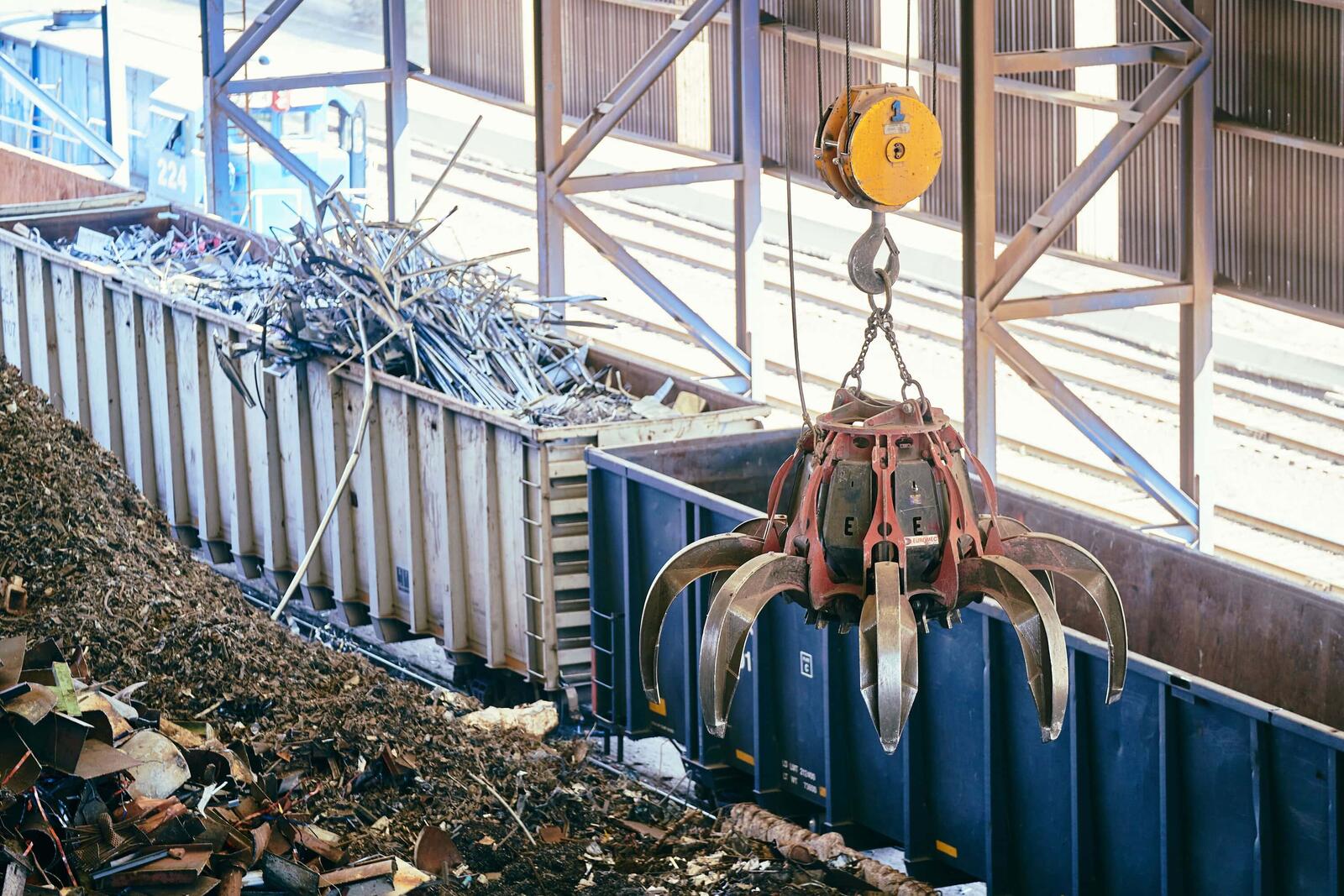
We replace our phones, upgrade our laptops and somehow end up with a drawer full of cables we haven’t touched in years. The problem is that all those old gadgets have to go somewhere. According to the UN’s Global E-waste Monitor 2024, the world produced 62 million tonnes of e-waste in 2022, enough to fill 1.55 million 40-tonne lorries. Parked bumper to bumper, they would stretch around the equator, which is a traffic jam nobody wants to be stuck behind.
E-waste covers everything from old phones and computers to TVs, fridges, chargers and other electrical equipment that has been discarded. Technology has helped create this growing pile, but it is also being used to tackle it, from repairable devices and automated recycling systems to software that helps old electronics find a second life.
What Counts As E-Waste?
The Global E-waste Monitor defines e-waste as discarded products with a plug or battery. That covers the obvious suspects like phones, laptops and TVs, along with fridges, chargers, power tools and the batteries used in many of these products.
A working phone passed on to somebody else can be reused, while a device that is tested, repaired and prepared for another owner can be refurbished. If a device can no longer be reused or repaired, it can be recycled so its materials can be recovered.
Why Is E-Waste A Growing Problem?
The 62 million tonnes recorded in 2022 was an 82% increase from 2010, yet only 22.3% was documented as properly collected and recycled. The UN expects global e-waste generation to reach 82 million tonnes by 2030, while the amount being recycled is growing much more slowly.
There’s also a lot of value sitting inside old electronics – the UN estimates that around US$62 billion worth of recoverable resources was left unaccounted for in 2022, while e-waste recycling supplied only around 1% of demand for rare earth elements. Recovering more of these materials could reduce the need to rely entirely on newly extracted resources.
Some of these electronics also contain hazardous substances, which makes proper collection and treatment super important instead of just throwing them away.
More from Guides
- Your Startup Just Got Acquired, What Happens To Your Team’s Visas?
- Inside The Technology Tracking Products From Factory To Customer
- Is The Anti-Unicorn (Zebra) Movement Starting to Grow?
- What Is AI Debt?
- The Warning Signs To Look For Before Buying From An Online Store
- What Is Customer Acquisition Cost?
- What Are Knowledge Graphs And Why Are AI Companies Using Them?
- What Is Human-In-The-Loop-AI?
How Can Technology Help Reduce E-Waste?
Technology can help at several points in a device’s life, from making products easier to repair to recovering useful materials once they have reached the end of their useful life.
Making Electronics Easier to Repair
A dead battery or damaged screen doesn’t necessarily need to mean replacing the whole phone. Fairphone is a Dutch electronics company that designs smartphones with repairability and longer product lifespans in mind. Its Fairphone 6 uses replaceable components, including the battery, screen and USB-C port, and received a 10/10 repairability score from iFixit.
Regulation is also pushing manufacturers towards more replaceable batteries. Under the EU Batteries Regulation, portable batteries in many electronic products sold in the EU will generally need to be removable and replaceable by consumers from 2027, although the rules include exemptions for certain products.
Improving Recycling
Once electronics can no longer be reused or repaired, recycling technology can help recover the materials inside them.
Apple’s Daisy robot is designed to disassemble 200 iPhones per hour. Apple says it can recover materials including cobalt from iPhone batteries, with recovered cobalt being returned to its supply chain for use in new Apple batteries.
Automated sorting can also make recycling more efficient – systems using cameras, sensors and machine learning can identify materials on conveyor belts and direct them into different waste streams. The technology is actually quite useful for dealing with large volumes of material where sorting everything by hand would be extremely slow.
Giving Old Devices a Second Life
Refurbishment technology can help determine whether a phone or computer is still suitable for resale or reuse.
Companies such as Blancco provide automated diagnostics and data-erasure tools that can test devices, properly remove personal information and prepare them for resale or redeployment. That means an old laptop can potentially become somebody else’s work computer rather than being dismantled for parts.
Tracking Products and Materials
The EU is introducing digital product passports for certain products, with batteries among the first areas covered. Under the Batteries Regulation, QR codes will provide access to digital information about relevant batteries, including details that can help people and businesses across the supply chain.
The battery passport is intended to make information about a battery’s materials, performance and lifecycle more accessible to consumers, repairers and recyclers.
What Can People Do With Old Electronics?
Not every old device needs to head straight for a recycling centre. If a phone, laptop or appliance still works, selling or donating it gives someone else the chance to use it. Before passing on anything that stores personal information, make sure your accounts and data have been removed. Recycle Your Electricals also recommends deleting personal data before recycling or passing on electrical devices.
For electronics that can no longer be used, check how they should be disposed of locally rather than putting them in a normal household bin. It’s important to know (and actually make sure) that batteries get disposed of properly, as lithium-ion batteries can cause fires when they are damaged or crushed in waste and recycling systems.
Making Better Use Of Our Electronics
Technology can help throughout that process, whether that means making devices easier to maintain, finding new uses for old hardware or recovering materials that can go back into manufacturing. It can’t solve e-waste by itself, but it can make it easier to get more use from the electronics we already have.
So, if you have an old phone, laptop or box of mystery chargers sitting around at home, don’t write them off just yet. They might have a bit more life in them than you think, or at least contain materials that can be put to use again.


