



ChatGPT is currently demonstrating the genius and potential power of AI to the world, and its application in automotive retail has never been more relevant than right now, as we stand on the cusp of a new mobility era defined by electric vehicles (EVs).
Car buyers and platforms are already focused on video content. The dealers’ challenge with creating video has always been that it requires a significant amount of time and effort. Now, with EVs approaching mainstream, an additional question is do car salespeople schooled in engine displacements and gearboxes really know how to market EVs effectively, and give car buyers the information they need?
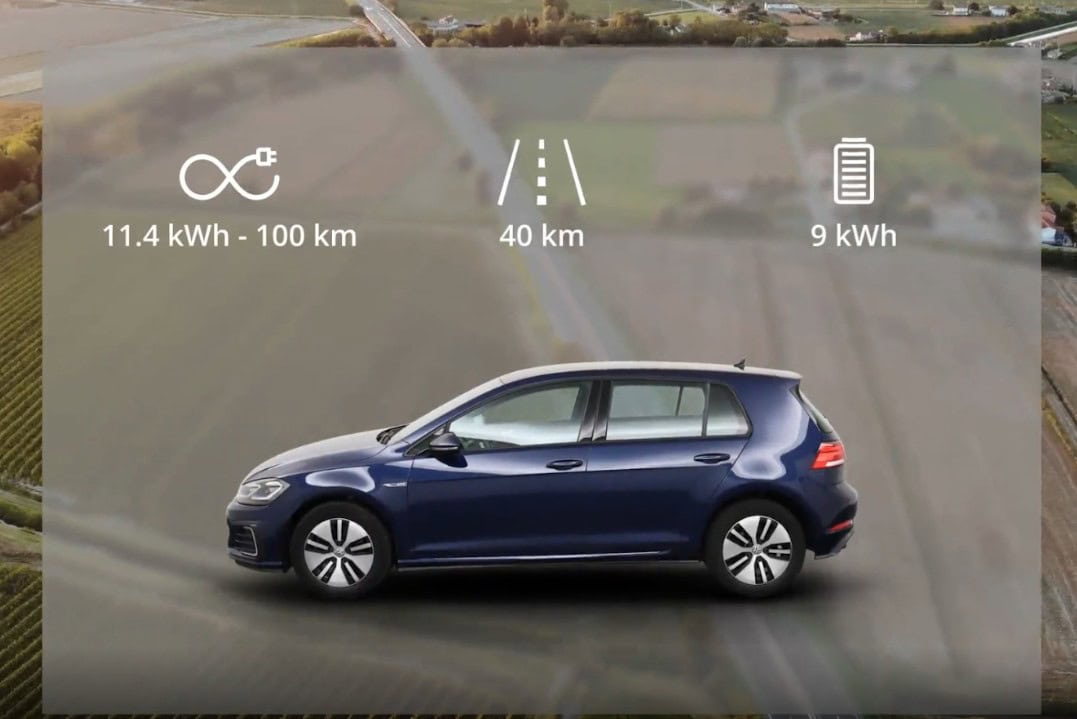
They needn’t worry, because automated video will play a crucial role in the marketing and buying process of new electric cars. By leveraging the latest advancements in AI technology, people will be able to research EVs in an interactive and emotional way, allowing them to make a fully informed decision about their zero emission purchase.
Phyron, AI tech pioneers from Sweden, are leading the way in demonstrating the potential of this technology. Disrupting the trillion-dollar advertising and content marketing industry, Phyron solves the demand for quality video content, bridging the gap between businesses who advertise and their customers, who are video first.
More from Interviews
- A Chat With Oluwasesan Kayode Yackson, Co-Founder And COO at ProtonLabs Technology Inc. Ltd. and TechRound SaaS66 2026 Judge
- A Chat With Abiel Ghezae, Founder And CEO Of Ahlan, On Building The Operating System For Global Mobility
- A Chat With Cathie Hall, Chief Customer And Product Officer At IFS, On How AI Can Preserve Institutional Knowledge
- A Chat With Dr Kayode Adedapo Kolawole, Sales Director At Nagode Industries And SaaS 66 Judge
- A Chat With Dearbhail Ormond, Founder Of frendo, On Building Free Support For Endometriosis
- A Conversation With Semrush On AI Search, Brand Visibility And Spotlight 2026
- A Chat With Ollie Whiting, CEO Of La Fosse, On The Human Side Of Digital Change
- A Chat With Chris Kincade, Founder Of Starling Memory Works, On Why Your AI Doesn’t Know Your Business
Its AI-powered software makes studio quality video ads from a feed of still images and data. The powerful AI have been taught to recognise hundreds of thousands of vehicle attributes from every angle, so they can identify exactly what is in an image and overlay the relevant product information – namely range, battery capacity and charging time for EVs.
The AI also removes the image backgrounds and they’re placed in a neutral, on-brand, environment before being rendered into a high quality video, complete with Hollywood derived CGI special effects, soundtrack and logos – all automatically without any human involvement for hundreds or thousands of vehicles across a dealership.
AI has huge potential in automotive retail, from assisting customers in finding the right vehicle that fits their needs and preferences, from initial interaction to purchase completion and post-sales service, including troubleshooting, service and maintenance among many other things.
Is this generative AI? Not in the sense that we’re selling a physical product and the AI has to take into account real features and unique attributes. But we use generative AI in some areas such as creating unique scenery, backgrounds, and music.
The car market is ripe for this kind of innovation and the introduction of experiences that generate excitement and demand among car buyers. The electrification of mobility is inevitable, and you’re most likely considering an EV for your next car. If the car ad you’re looking at contains an engaging video, it was most likely made with AI.


