


Kodasema is a multi-disciplinary and award-winning Estonian design company specializing in the architecture and engineering of movable KODA™ houses for private use or property development.
How did you come up with the idea for the company?
The original idea at the early stages of Kodasema was to use technology to significantly disrupt the excessive consumption of energy and rigidity of the construction industry with the goal to make houses not only zero-energy, but cut down the whole footprint of the industry – with a cleaner, ecologically more viable future in mind. Small living spaces often automatically mean less energy is required, leaving a smaller footprint.
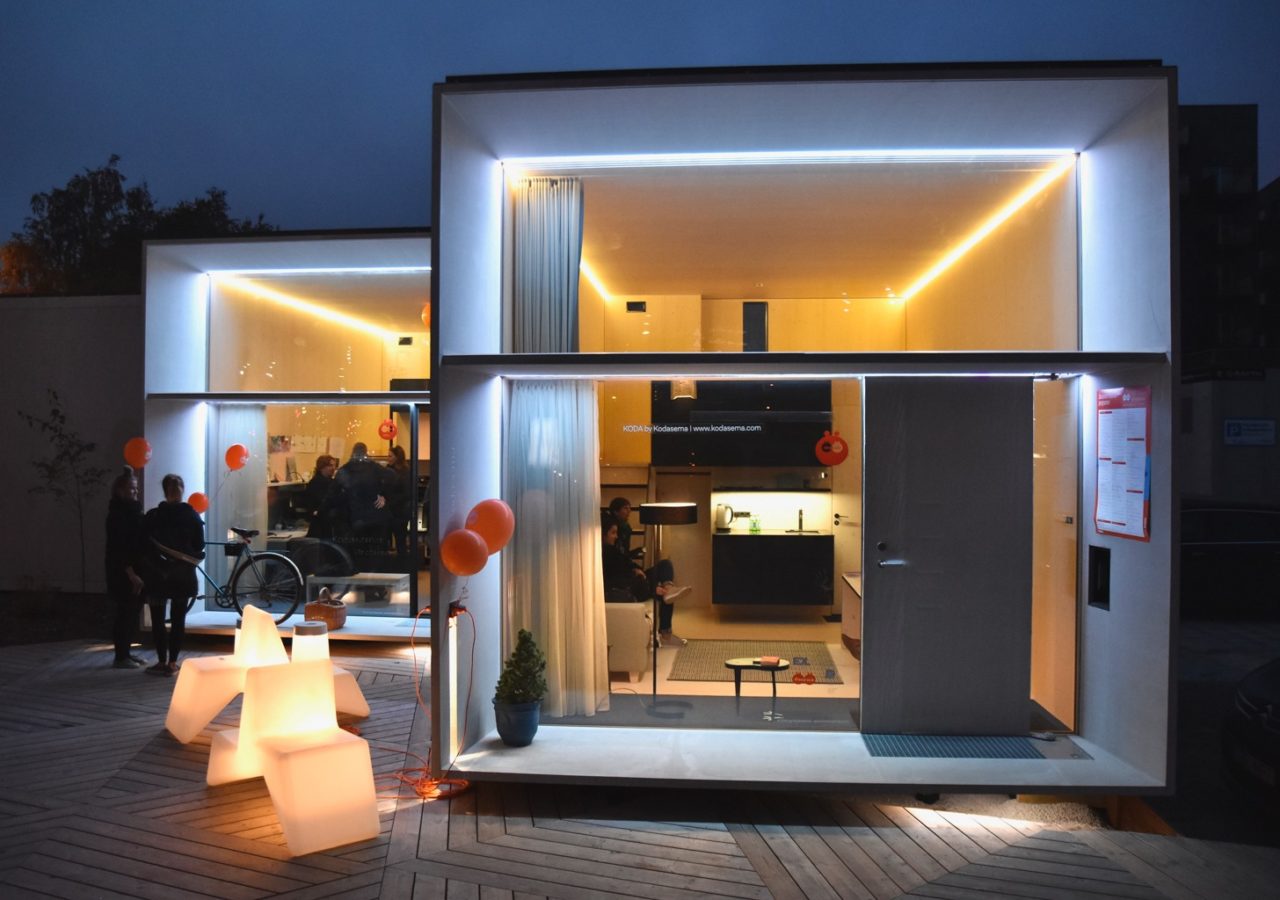
These ideas eventually resulted in KODA. Our houses address the problems of the construction and urban planning sector with high-quality modular architecture and design, affordability, energy efficiency, minimalist design and less disruptive offsite construction. Kodasema is one of the world’s most experienced movable and tiny housing architecture, design and engineering firms.
More from Interviews
- A Chat With Laura Harrison, Education Lifeguards: Rethinking Teacher Wellbeing This World Mental Health Day
- A Chat With Luca Steinmetz, FARAWAYHOME: How AI Search Is Rewriting The Rental Listing
- A Chat With Lucid Software’s Jamie Lyon: Why Shared Context Is Becoming AI’s Real Competitive Edge
- A Chat With Tomas Milar: What Startups Should Look For In A Cap Table Management Platform
- A Chat With Danny Sullivan, CEO Of Nomada Digital And PR54 Judge
- Dear Mr. Prime Minister: Mike Bray, VP, Technical Solutions At RS Group
- A Chat With Sisi Ncube, Founder Of FibreTempo, On Building Health Habits That Actually Stick
- A Conversation With Paul Dawalibi, CEO Of Innovation City
How has the company evolved during the pandemic?
We’ve seen a surge of attention and interest from new consumer groups during the pandemic. Everything from people wanting to add an additional housing unit to their backyards for private use, to property developers buying KODAs to redensify urban areas with as little disruption to communities as possible.
There is also a definite uptick in people looking to use and invest in remote hotel units with individual access. A private-access hotel room just for your own use feels safer these days, as does a remote office, or a backup extra room for isolating purposes. We’ve also been listening to our customers a lot and developing the KODA portfolio.
We can make your KODA float should you want to place it on a lake/river/waterfront; we can build you a KODA sauna and we can stack KODAs, should you want to go vertical to fit onto a smaller plot. Our whole team realises we’re incredibly lucky to be able to say we’ve had our hands full with the new challenges.
What can we hope to see from Kodasema in the future?
You’ll see more KODAs, everywhere, for sure. We’re working towards KODA communities – villages set up with different KODA models that respond to a spatial need in a specific location – and which can be temporary or permanent. You can plan and construct an urban quarter of KODAs with very little disruption to the neighbourhood – create housing, office space, services much faster than you could with traditional methods of construction.
The fabric of our everyday lives is changing much faster than before, and we need cities and neighbourhoods that can change fast, too. The solution lies in removing slow construction from cities and using modern methods of construction, houses built on a factory line and delivered on a truck, to improve our urban quality of life. The aim is also to enable cities and parts of cities to change quickly – just as our demographic groups and needs change over time.


