


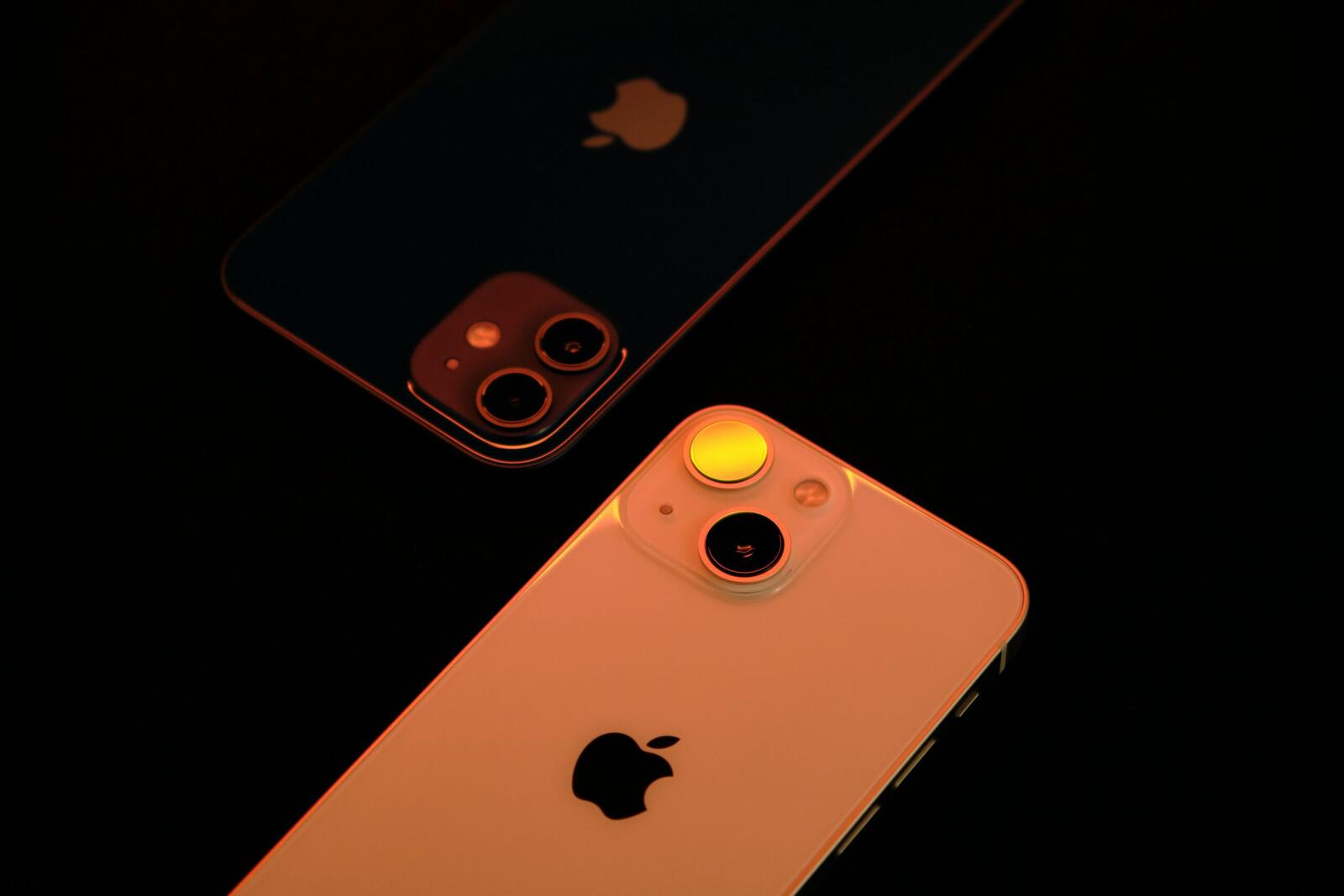
Apple moved into first place in the first quarter of 2026, taking the number 1 position in global smartphone shipments for the first time in a Q1. Data from Counterpoint Research says the company reached 21% market share, with shipments coming up 5% YoY.
This came during a slow period for the global smartphone market. Counterpoint Research reported that shipments went down 6% year on year in Q1 2026. Short supply of DRAM and NAND memory chips raised costs and limited how many devices brands could produce.
Apple moved in the opposite direction after high interest in the iPhone 17 range helped sales, along with trade in deals encouraging upgrades. Counterpoint Research said, “Apple led the global smartphone market for the first time for a Q1, achieving 21% market share and 5% YoY growth in Q1 2026.”
The report also explained why Apple handled the situation better than many rivals. “Apple remains the most insulated brand against the memory crisis due to its ultra-premium positioning and highly integrated supply chain,” Counterpoint Research said.
Sales came up in China, India and Japan, which helped lift overall performance during the quarter.
Which Phones Helped Push Apple To Number One?
Apple’s rise in Q1 came off the back of its latest devices, led by the iPhone 17 series. Counterpoint Research said, “Continuous strong demand for the iPhone 17 series and aggressive trade-in programs, along with ecosystem stickiness, drove overall volume growth.”
The phones that helped carry Apple through the quarter were:
- iPhone 17
- iPhone 17 Pro
- iPhone 17 Pro Max
These models attracted buyers looking for high end features and longer upgrade cycles. Trade in deals also made it easier for existing users to switch to newer models without paying full price upfront.
The company also benefited from its software and device ecosystem because many users tend to stay using Apple’s devices and services so that all their devices communicate properly (features such as iCloud and “Find My”) which helped keep sales steady during a tough quarter for the market.
More from News
- Anchor Launches Action Index, Cutting Computer-Use Agent Token Costs By 100X
- Anthropic Selects Build Circle As A UK Partner To Help Supercharge AI Realisation For Clients
- An OpenAI Engineer Is Charged Over A $14 Recording Device – What Does It Say About Security At AI Labs?
- Mhance Acquires CPS And City Dynamics To Strengthen Its Copilot, Modern Work And Business Solutions Capabilities
- What Can Startups Learn From HSBC’s AI-Driven Job Cuts?
- Moterra AI Achieves Select Partner Tier In Anthropic’s Claude Partner Network
- GoDaddy Launches Web App Hosting With API For AI Coding Tools
- 7 In 10 Consumers Have Never Investigated What’s Inside Their Smartphone
What Went Wrong For The Rest Of The Market?
The global smartphone market had a difficult start to the year. Counterpoint Research said shipments went down 6% year on year, mainly due to supply issues and lower buyer interest.
Short supply of memory chips caused major issues for phone makers. According to Senior Analyst Shilpi Jain, “This decline in shipments is primarily driven by memory players prioritising AI data centers over consumer electronics, leaving OEMs with compressed margins and forcing them to pass increased Bills of Material (BOM) costs directly to the consumer.”
Higher prices then made buyers think twice about upgrading. Jain added that “rising energy prices, higher logistics costs, and economic uncertainty driven by tension in the Middle East kept consumer sentiment for new devices low, driving demand for refurbished devices and further weighing on shipments.”
Lower priced phones felt this more than premium models. Jain said, “The shortage of memory chips and rising costs have impacted the price-sensitive segments the most, such as entry and mid-range devices.”
To manage rising costs, many brands delayed launches or reduced the number of new devices released during the quarter.
How Did Rivals Like Samsung And Xiaomi Perform?
Samsung came in second in Q1 2026 with a 20% market share. Its shipments went down 6% year on year due to weaker sales in lower priced models and a delay to the Galaxy S26 launch.
There was early interest in the S26 series, especially the Ultra model, which helped keep attention on the brand.
Xiaomi stayed in third place with a 12% share, though its shipments went down 19% YoY. Its focus on lower priced devices made it more exposed to rising component costs.
Other brands in the top 5 also recorded some drops, one example is OPPO, as it reached 11% market share and vivo came in at 8%, both with small drops compared to last year.
Outside the top 5, smaller brands recorded faster growth. HONOR and Nothing both recorded 25% year on year growth, while Google recorded 14%, according to Counterpoint Research. Their overall volumes were not high enough to enter the top 5.


