


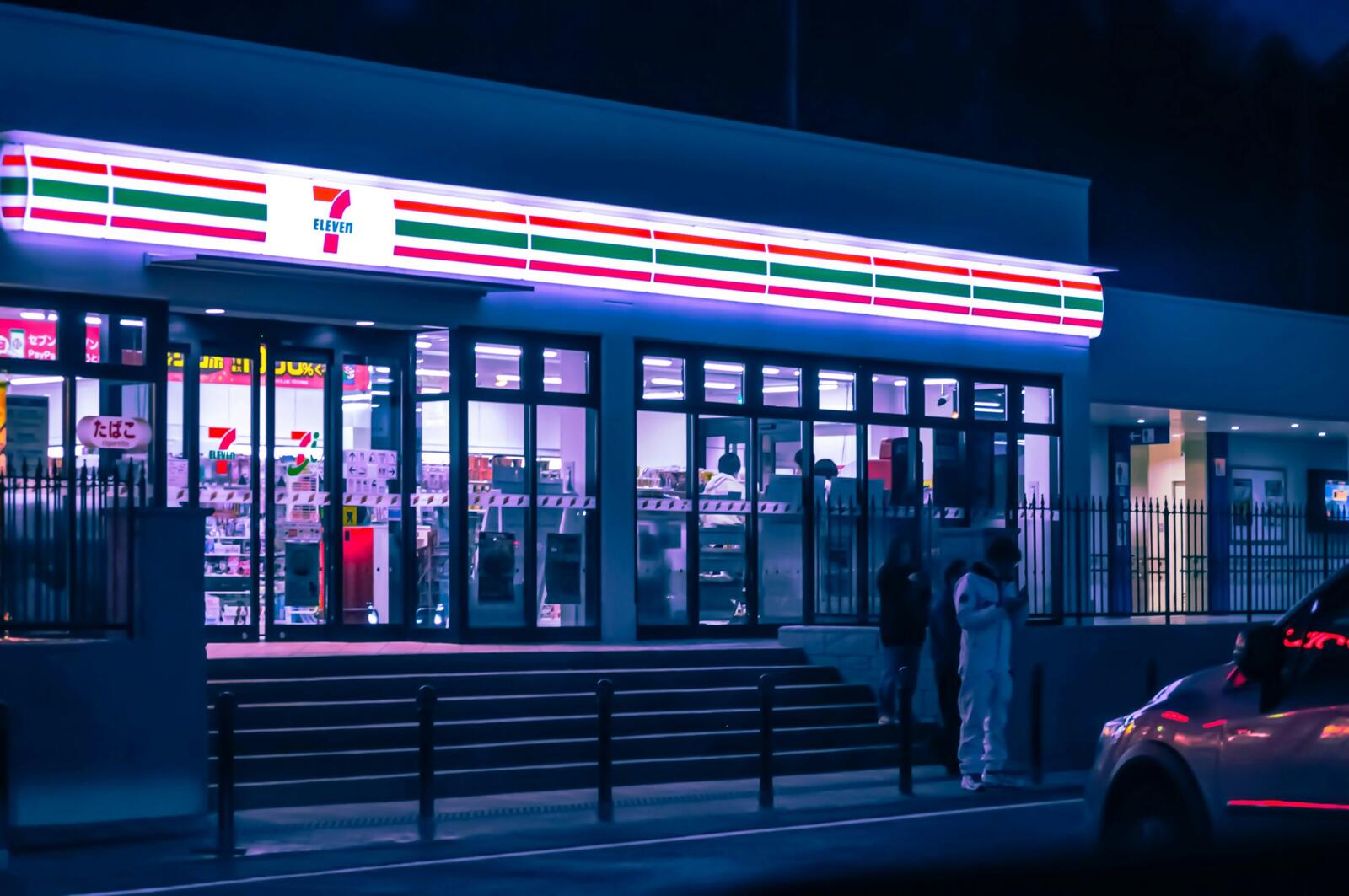
“We recently discovered that on April 8, 2026, an unauthorised third party gained access to certain 7 Eleven systems used to store franchisee documents,” 7-Eleven wrote in a customer notification letter.
These words came from a confirmation letter and also a confirmation that breaches are now targeting your convenience stores. But, how did this all happen?
The company sent letters to affected people after cyber criminals accessed systems storing franchisee application documents. The files had people’s names, addresses and other personal information submitted during franchise applications.
Info from BleepingComputer tells us that the attack affected more than 183,000 people after leaked records were analysed through Have I Been Pwned.
How Many People Had Information Exposed?
Have I Been Pwned examined leaked records associated with the breach and estimated that 185,300 people had personal information exposed.
The organisation said, “The incident exposed 185k unique email addresses, along with names, physical addresses, dates of birth and phone numbers. A small number of records also contained additional exposed data fields.”
BleepingComputer reported that 7 Eleven operates more than 86,000 stores worldwide, including around 13,000 locations throughout the United States and Canada. The company also runs the 7Rewards and Speedy Rewards programmes, which have more than 100 million members.
The breach involved franchisee records, not loyalty programme customer accounts. Criminal groups value personal information such as names, addresses and phone numbers because the data can support phishing emails, scam calls and identity theft attempts.
7 Eleven apologised in its letter and wrote, “We take the security of your personal information very seriously and immediately launched an investigation in order to assess the affected documents and bring this to your attention. We also wanted to apologise for any inconvenience this may cause you.”
Who Was Blamed For The Attack?
ShinyHunters admitted they were in fact resposible for this, on 17 April 2026, according to BleepingComputer.
The group alleged that it accessed a Salesforce environment associated with 7 Eleven and stole more than 600,000 records containing company information and personal data.
BleepingComputer reported that the criminals later published a 9.4GB archive of documents on a dark web leak site after ransom demands were refused.
7 Eleven did not publicly name the attackers in customer letters sent after the breach.
More from News
- I Woke Up To A Meta Account. When Did I Agree To That?
- Vidoser Launches AI-Powered Platform To Streamline Creator Marketing For Brands And Agencies
- Office Freedom Named Agency Of The Year And Deal Of The Year 2026
- A “Power Event” At Google Cloud’s London Region Affected Revolut And European Banks – What Happened?
- Anchor Launches Action Index, Cutting Computer-Use Agent Token Costs By 100X
- Anthropic Selects Build Circle As A UK Partner To Help Supercharge AI Realisation For Clients
- An OpenAI Engineer Is Charged Over A $14 Recording Device – What Does It Say About Security At AI Labs?
- Mhance Acquires CPS And City Dynamics To Strengthen Its Copilot, Modern Work And Business Solutions Capabilities
BleepingComputer reported that ShinyHunters targeted many well known companies during the past year, including Vimeo, Zara, MANGO, Match Group, Cisco and Google.
The publication said the group spent much of the last year targeting companies using Salesforce services.
What Should People Do After The Breach?
7 Eleven said affected individuals can enrol in identity theft protection and CyberScan monitoring services through IDX at no charge for 24 months.
The company wrote, “You should regularly review your account statements and monitor free credit reports.”
The notice also urged people to place fraud alerts or security freezes with credit reporting agencies. Fraud alerts tell lenders and merchants to go through extra identity checks before approving applications.
Security freezes restrict access to credit files and can make it harder for criminals to open accounts using stolen details.
The letter also advised victims to contact the Federal Trade Commission identity theft service and local police if fraudulent activity is found on accounts or credit files.
Why Are Convenience Stores Attracting Cyber Criminals?
Think about it like this: convenience store companies now manage loyalty schemes, delivery platforms, payment systems and franchise applications, all of which have huge volumes of customer and business information.
That information attracts extortion groups searching for personal data and company records that can support ransom demands.
BleepingComputer reported that this wasn’t even the first cyber incident for the 7 Eleven brand. 7 Eleven Denmark confirmed a ransomware attack in 2022 after encrypted systems forced 175 stores to shut down temporarily.
The publication also reported that the FBI recently told victims targeted by ShinyHunters not to pay ransom demands because payment does not guarantee stolen files will stay private or be deleted, which is scary to think about.
Convenience stores once handled cash payments and food sales with limited digital systems. Modern convenience chains now manage huge databases with customer records, franchise documents and payment information, which makes them valuable targets for organised cyber crime groups.


