


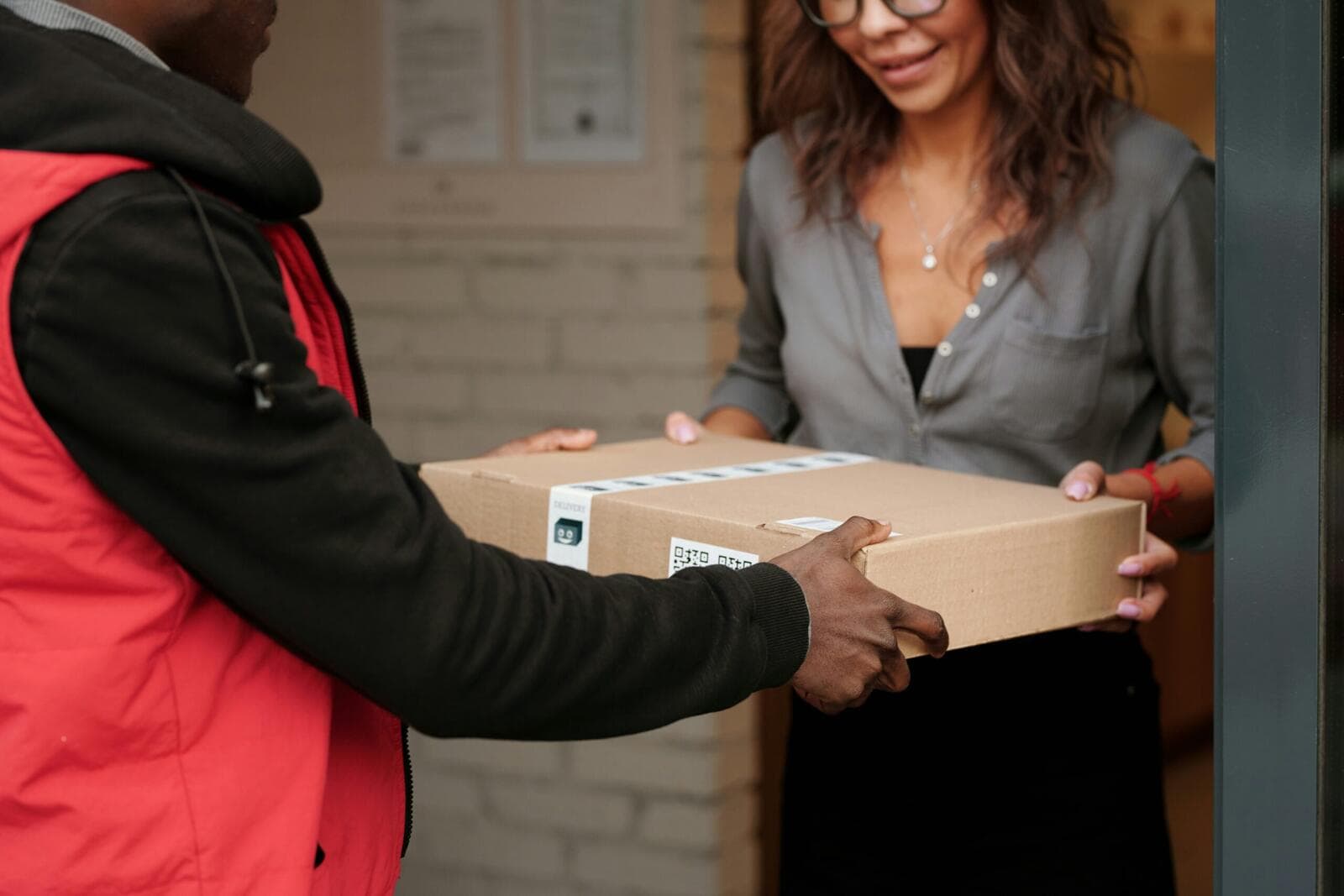
Your pizza, your late night burger, even that parcel you forgot you ordered, all share one big dependency. Fuel.
Oil prices have gone up amid escalating tensions involving Iran and concern about the economic fallout. That may sound distant from your local takeaway, but it travels quickly through the system. Courier firms delivering everything from parcels to takeaways could be pushed to the brink as oil prices surge, according to commentary shared alongside analysis from insolvency specialist Molly Monks at Parker Walsh.
Fuel is one of the single biggest costs for delivery businesses. Even small increases can eat into margins that are already tight. When petrol and diesel prices go up, delivery firms feel it almost immediately.
Molly Monks explained it: “Fuel is one of the largest operating costs for courier businesses, so when oil prices rise sharply it can have an immediate impact on profitability,” she said.
Who Feels It First?
Courier and delivery companies are at the front of the queue.
They compete hard on price and many operate on thin margins. A contract to deliver parcels or food is often agreed at a fixed price. That sounds stable until fuel goes up.
“Many delivery companies operate on extremely tight margins and are often tied into fixed-price contracts with retailers or logistics platforms, which means they cannot always pass rising costs on to customers straight away,” Ms Monks said.
That creates a squeeze. Costs go up. Income stays the same. Cash flow tightens. Smaller independent operators are especially exposed because they do not have the financial buffers of larger logistics groups.
“If fuel prices remain elevated for a sustained period, we could see smaller courier firms struggling to remain viable,” Ms Monks said. “When businesses cannot increase prices but their operating costs continue to rise, that pressure can build very quickly. Over time this can lead to debt, payment difficulties and in some cases insolvency.”
More from News
- How Is The US-Iran Conflict Impacting Big Tech?
- Cyber Attacks Are Costing 80% Of CNI Organisations Up To £5 Million
- US Petrol Prices Are Over $4 For The First Time Since 2022 – Is It Too Late For Recovery?
- Diverse Startup Boards Are More Likely To Succeed – What’s Driving The Advantage?
- Let’s Talk About The White House App: Informative, Intrusive Or Irrelevant?
- 75% Of Fans Oppose VAR As Experts Analyse The Technology Behind It
- How Much Are UK Households Spending On Subscriptions Each Month?
- Indonesia Is The Next Country To Introduce Social Media Bans For Teens
What Does This Mean For Takeaways And Small Shops?
Takeaways and restaurants depend heavily on delivery drivers. Independent retailers rely on regular deliveries of stock. Construction companies transport materials daily. All of them depend on vehicles, and vehicles run on fuel.
“Businesses that rely heavily on deliveries or transport are often the first to feel the impact of rising fuel prices,” Ms Monks said. “Takeaways and restaurants that depend on delivery drivers, small logistics firms, construction companies transporting materials and independent retailers receiving regular deliveries could all see their costs rise.”
When those costs go up, businesses face awkward choices. They can absorb the hit and accept lower profit. They can try to negotiate with suppliers. Or they can put prices up for customers.
“Periods of rising operating costs can create a very challenging environment for small businesses,” Mrs Monks added. “Companies with limited financial reserves can find themselves under pressure very quickly if multiple costs begin to rise at the same time.”
For a small takeaway, that could mean paying more for ingredients, more for electricity and more for delivery at once. Even a modest increase in each area adds up over weeks and months.
Are Higher Food And Delivery Bills Next?
If courier firms struggle, delivery times can stretch and service levels can suffer. If takeaways and retailers face higher transport bills, menu prices and shelf prices may follow.
Fuel is involved in the background of almost every transaction that involves movement. From parcels to pizza, the impact is direct. Oil prices go up. Transport costs go up. Margins narrow. Pressure builds.
The research and commentary from Parker Walsh do not claim that every courier or takeaway is about to fail. They do however point out this vulnerability. Hectic margins and fixed price contracts leave little room for error.
The next time your delivery fee looks a bit higher or your favourite meal costs £1 more, the reason may not be the chef or the driver. It may start much earlier, at the petrol pump.