


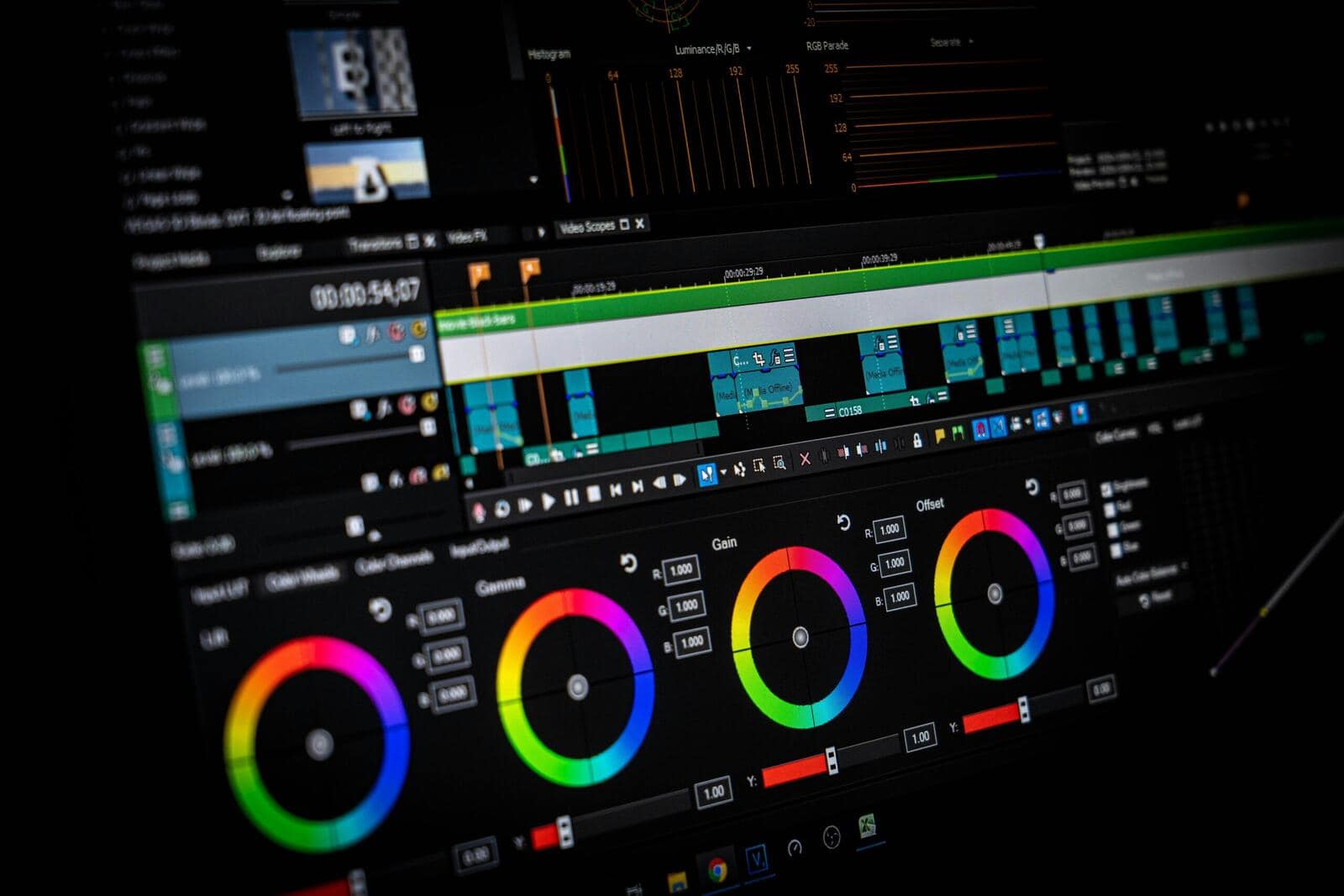
Google has just announced the launch of a new AI-powered image editor that is creating a bit of a buzz in creative and professional spaces. The company announced that Google DeepMind developed the model, which is now integrated into the Gemini app and website. Initially tested under the name Nano Banana, the tool is officially called Gemini 2.5 Flash.
Gemini 2.5 Flash allows users to make detailed edits while maintaining the likeness of people or animals in photos. According to Google, early feedback shows that the model performs better than competing AI editors from OpenAI and others. Users can upload photos and make adjustments such as changing outfits, backgrounds, or blending multiple images into one, while keeping characters consistent.
The model has been tested on LMArena, a site that crowdsources feedback on AI quality. Google said that its model scored highly using the Elo method, a system for ranking skill levels in generative AI.
What Makes Gemini Different From Photoshop?
Gemini 2.5 Flash is designed to give both consumers and professional creators more control over image editing. Unlike traditional software, it can handle multiple edits in a sequence, such as changing a room’s wall colour, adding furniture, and applying textures from other images. Google DeepMind’s team, including Nicole Brichtova, said this allows for more precise, personalised edits without losing the subject’s identity.
The integration into Gemini also allows for video creation from edited images. Users can upload their final images and turn them into short clips. This offers functionality that goes beyond static edits, providing an all-in-one environment for visual content creation.
Adobe has responded by incorporating Gemini 2.5 Flash into its Firefly and Express apps. Adobe spokespersons explained that this gives users access to multiple AI models, including Google’s, without switching platforms. Users can take edited images into Adobe Photoshop or Illustrator for fine-tuned adjustments, combining generative AI with traditional tools.
More from News
- Global Markets Show Early Signs Of Recovery After Trump’s Iran Ceasefire – But Can The World Breathe Easy, Or Is Volatility Just On Pause?
- Greece Is The Next Country To Ban Social Media For Under 15s
- World IoT Day 2026: Is The UK Ready For The Next Phase Of IoT?
- Why Are Digital Nomads Leaving The UK, And Where Are They Going?
- Are Hiring Tasks Turning Into Unpaid Labour For Companies?
- Artemis II Is NASA’s Mission, But Is Control Of The Moon Quietly Shifting To Private Companies?
- Is Your CV Alone Enough To Get Hired Today? Experts Weigh In
- Not Only Does AI Save Business Travellers Money – It Also Saves Business Costs
Who Is This Tool For?
Gemini 2.5 Flash is aimed at social media creators, marketers, small businesses and visual designers. Social creators can produce series of stylised graphics and animate them within Adobe Express. Marketers can adapt existing campaign assets across different formats, for things like social media posts or email graphics, in literally minutes. Visual designers can prototype product concepts or character designs quickly and then refine them in Photoshop or Illustrator.
Google said that both paying and non-paying users have access to the tool. Adobe has also made the model available in Firefly for Creative Cloud Pro members and offered limited free access for new users. This dual availability allows the model to reach a wide range of creators while encouraging experimentation across different skill levels.
Business Insider brought up how Gemini’s performance could be very tricky and could threaten Adobe’s traditional editing tools. Adobe’s share price went down 35% over the past year, with analysts partly attributing the decline to concerns about AI impacting established creative software. The introduction of Google’s model in Adobe apps might increase pressure on Adobe to maintain its user base.
Gemini 2.5 Flash demonstrates how AI can handle detailed, multi-step edits while keeping subjects recognisable. Google DeepMind says that the model supports “multi-turn editing,” allowing users to refine images repeatedly without starting from scratch. It also applies styles from one object or image to another for creative experimentation.