

Indonesia has brought in one of the strictest rules yet on young people and social media. The government now requires platforms it sees as high risk to deactivate accounts belonging to anyone under 16. The rule came into full effect last week, 28 March, with authorities already calling in major tech firms for checks, according to Reuters.
Communications and Digital Minister Meutya Hafid referred to Meta and Google as “two business entities that are non-compliant with the law” and confirmed they were summoned to “undergo checks”. Authorities have made it clear that failure to follow the rules could lead to sanctions, or worse… a total block on the platform.
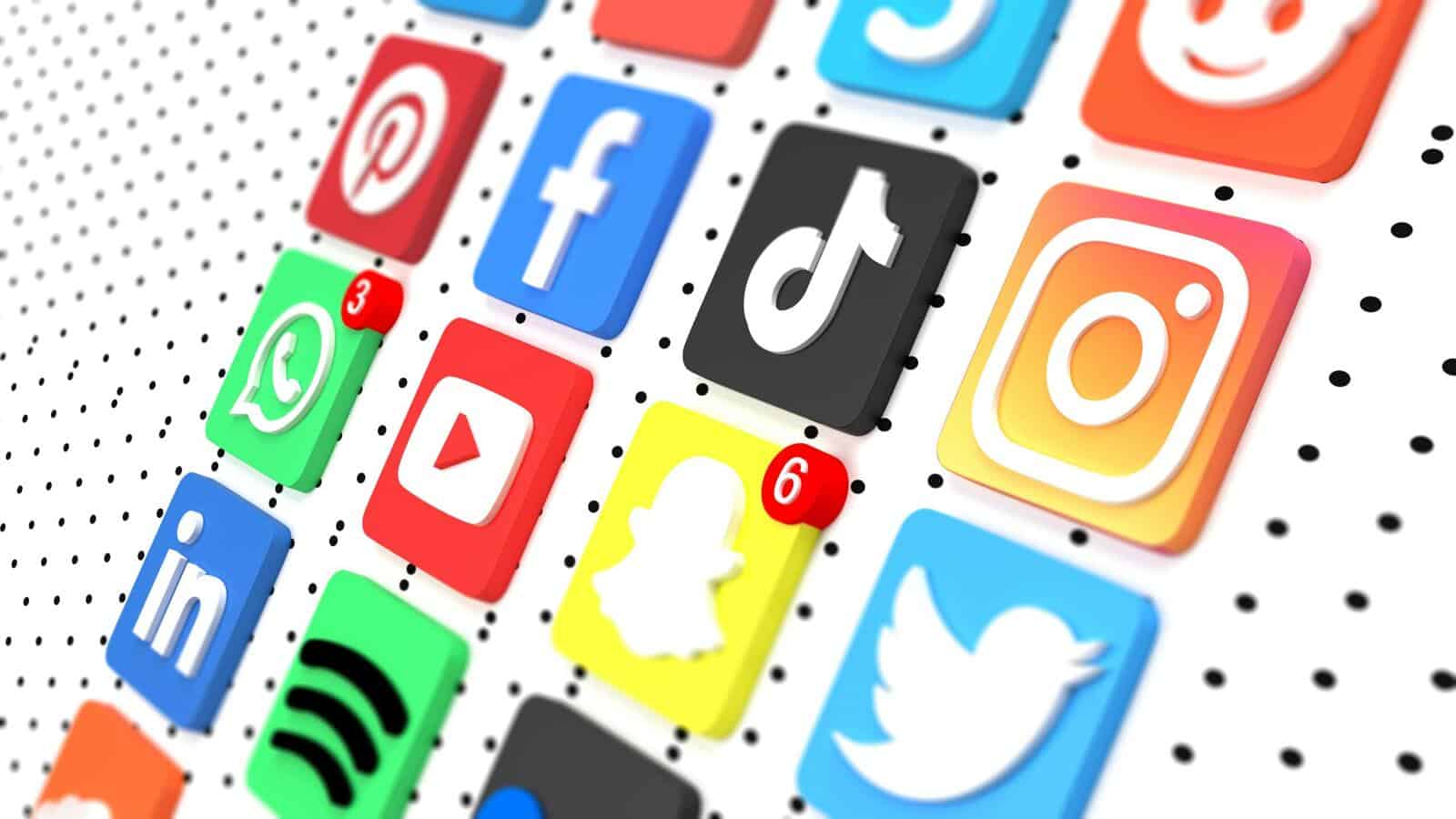
The regulation is a protection against platforms where children can interact with strangers, or where content may become addictive. TikTok and Roblox were named as some of those being monitored as well with messages sent to comply or face action.
Meutya Hafid said there are about 70 million children under 16 in Indonesia. Internet use is also high, with 80.66% of the population online in 2025, according to the Indonesia Internet Service Providers’ Association. Among Gen Z users aged 13 to 28, that number reaches 87.8%.
Authorities say this is meant to manage the risks that come from cyberbullying and addiction. Indonesia now joins the group of countries putting these limits in place.
You’ll Remember The UK Had Announced Trials… What Is Happening There?
Indonesia’s decision comes just a couple of days after the UK announced its own plans to deal with social media use by teenagers. The UK government confirmed it will test bans, curfews and time limits in 300 households for a 6 week trial.
Indonesia’s decision comes just a couple of days after the UK set out its own plans to deal with social media use by teenagers. The UK government confirmed it will test bans, curfews and time limits in 300 households as part of a 6 week pilot.
Basically, families will try different setups where one group will block social media entirely, another will cap use at one hour per day, and a third will restrict access between 9pm and 7am. A fourth group will continue as normal to act as a comparison.
Nearly 30,000 parents and children have already responded to the UK consultation on digital wellbeing, according to the Department for Science, Innovation and Technology. The findings from these trials will then determine future decisions.
To repeat what Technology Secretary Liz Kendall said: “We are determined to give young people the childhood they deserve and to prepare them for the future. This is why we are listening to parents, children and experts with our consultation, as well as testing different options in the real world. These pilots will give us the evidence we need to take the next steps, informed by the experiences of families themselves.”
With this one, a separate study will track around 4,000 students aged 12 to 15 to examine how reduced social media use affects sleep, anxiety and school life.
Professor of Psychology at the University of Cambridge and co-lead of the study, Amy Orben, said: “We currently lack critical insights about how different types of social media policies might work in practice. Large randomised controlled trials, like the one in Bradford, will allow us to both better understand the impact of social media and select interventions that work for young people as well as their families.”
More from News
- How Much Are UK Households Spending On Subscriptions Each Month?
- WTF At Work? New Research Shows UK Staff Trapped In Tech Frustration
- How Does The EU Data Breach Impact The UK?
- Bluesky Launches New AI App To Rival X’s Grok
- Meta: 0, Humanity: 1 – Is “Engagement At All Costs” Becoming Social Media’s Biggest Liability?
- UK Government Invests In Growing The Creative Tech Sector
- AI Can Now Write Your WhatsApp Messages For You, But Is This Risky?
- UK Tests Social Media Bans And Curfews For Teens – How Should Parents Help?
Why Are Governments Getting Stricter?
The mental health effects and online harm are the main reason. Researchers and digital safety experts say the way platforms are built can shape behaviour in ways that affect young users more strongly.
Postdoctoral Research Fellow at the University of St Gallen and qualified analytical psychotherapist, Anita Horn, explained, “Social media offers valuable opportunities for social connection, self-expression, creativity, and finding supportive communities – particularly for marginalised youth seeking belonging. At the same time, it can promote a culture of constant comparison, performative identity, and hypervigilance, where likes, shares, and metrics strongly influence self-worth.”
She added that children are more exposed to overload from constant streams of content, which can affect attention and emotional regulation.
Cellebrite senior digital forensics expert and SANS Curriculum Lead, Heather Barnhart, said, “The growing evidence of online harm linked to social media shows just how quickly the threat is escalating. Online platforms are becoming harder to regulate and while it is encouraging to see governments globally taking a serious stand to protect children online, it does increase the risk of driving young people to use it anyway in the shadows and perhaps move toward less regulated platforms, which makes safeguarding and intervention more difficult.”
Chief Product and Technology Officer at GBG, Gus Tomlinson, also spoke about gaps in current protections. He said, “The reality is the internet has outpaced our protections and the debate around banning under-16s from social media reflects growing recognition that current safeguards are falling short and that change and investment are needed.”
Who Has A Social Media Ban So Far?
Sky News actually wrote an article about the countries bringing in rules or bans on social media for young people. Here is a quick list based on that reporting:
Australia
Under 16s were banned from major platforms in December 2025. Companies can face fines of up to AU$49.5m if they fail to comply.
Indonesia
New rules block under 16s from high risk platforms, affecting around 70 million children.
Austria
Plans to ban social media for children up to age 14 are being prepared, with draft laws expected soon.
France
Politicians backed a ban for under 15s, with final approval pending.
Spain
The government has pledged a ban for under 16s as part of wider online safety rules.
Denmark and Norway
Both countries are working on proposals, including bans or tighter limits.
India (Karnataka)
A regional law banning under 16s from social media has been passed.
Malaysia
A national ban for under 16s is expected to begin this year.
United States (Utah and others)
Rules require parental consent and age checks instead of a full ban.
Governments are starting to take action, with Indonesia now one of the most recent to follow through with the ban.